Your secrets aren’t safe with this cute robot toy — they’re on Chinese servers ready to be hacked
The Eiliko robot toy streams unencrypted voice data to Chinese servers, exposing users—especially children—to privacy breaches and potential hacking.
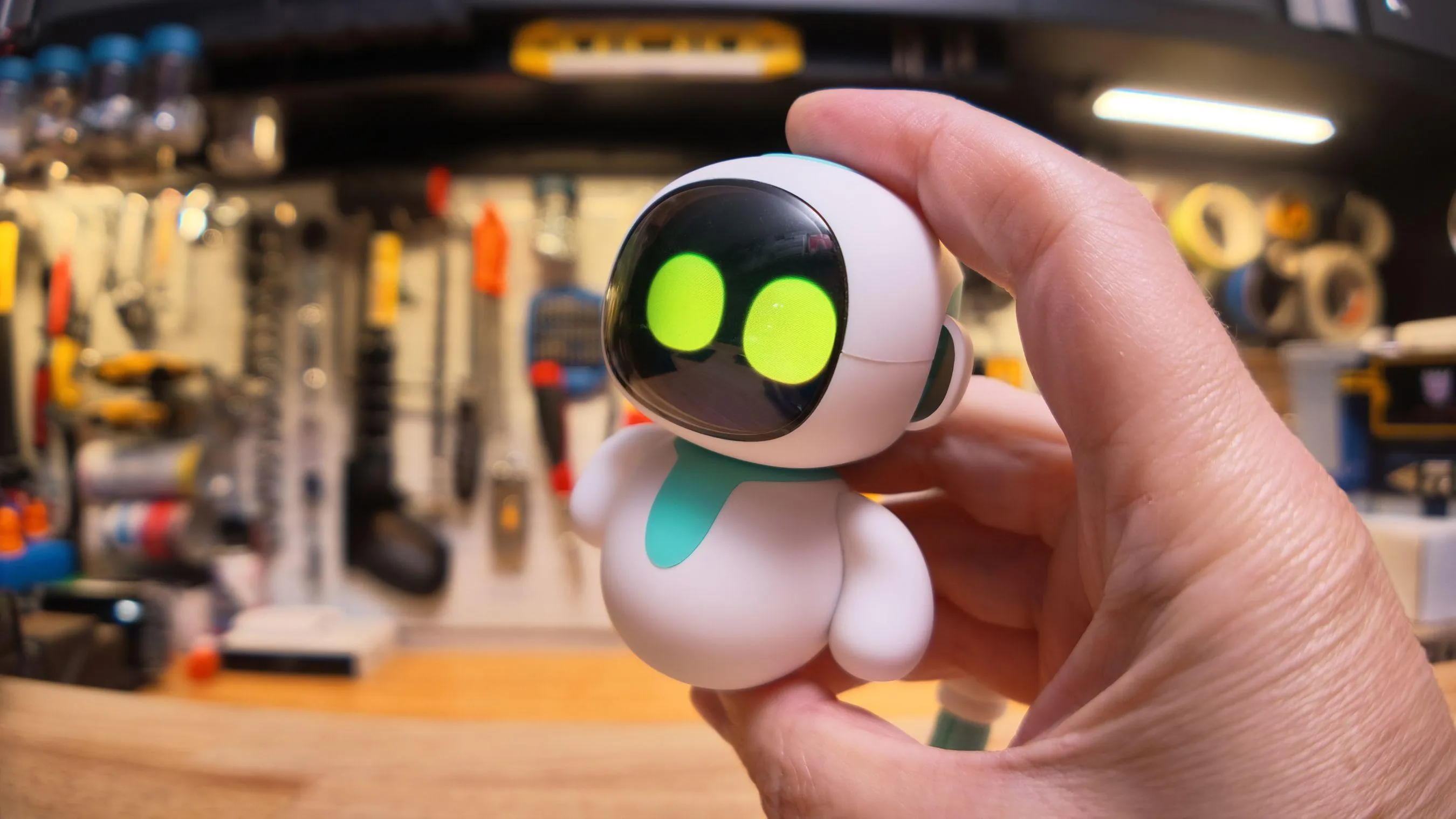
The Hidden Risks Behind a Cute Robot Companion
A new wave of AI‑enabled toys promises interactive fun, but the Eiliko robot from Energize Lab illustrates how that convenience can come at a steep privacy cost. While the marshmallow‑shaped device can mimic emotions and answer questions, it also records every conversation and uploads the raw data to servers hosted in China. The lack of encryption, weak administrative passwords, and an unresponsive manufacturer create a perfect storm for data leakage and malicious exploitation.
How the Toy Works — and Where It Fails
Eiliko connects to Wi‑Fi and relies on a cloud‑based language model to generate responses. In theory, the system should:
- Capture audio locally.
- Encrypt the recording.
- Transmit it to a processing service (the company cites Alibaba Cloud).
- Delete the raw file after generating a reply.
In practice, investigators discovered that the recordings are stored in plain text on publicly reachable URLs. The company’s privacy policy claims encryption, but the actual implementation leaves audio files, transcripts, and even profile metadata exposed. Administrative accounts are protected by common passwords, making unauthorized access trivial for anyone with basic hacking tools.
What Data Is Being Collected?
Beyond the obvious voice snippets, the backend aggregates a detailed user profile that includes:
- Name, age, birthday, and occupation.
- Family members, pets, and social connections.
- Sentiment tags such as “kind” or “feels isolated.”
- Searchable full‑text transcripts of every conversation.
- Occasionally, photos and short audio clips that appear to be stored without encryption.
The dataset spans tens of thousands of users, with a significant portion of the fleet—over 30,000 profiles—belonging to children in the United States. This level of personal detail is a goldmine for scammers, social engineers, and state‑level actors seeking to build behavioral models.
Real‑World Exploitation Scenarios
Security researchers have demonstrated several ways the data could be weaponized:
- Mass profiling: By querying the searchable database for keywords like “suicide” or “financial trouble,” an attacker could identify vulnerable individuals for targeted phishing or extortion.
- Remote hijacking: The toy’s language model can be reprogrammed remotely. A compromised server could cause the robot to deliver harmful instructions, as shown when the device began issuing inappropriate or dangerous prompts.
- Audio replay attacks: Unencrypted recordings can be downloaded and replayed, potentially exposing private conversations to anyone who discovers the URL.
- Cross‑device infection: Because the same backend services multiple units, a breach in one toy could give an attacker control over the entire fleet, amplifying the impact.
Manufacturer Response and Consumer Guidance
Energize Lab’s outreach to journalists and security researchers was limited to generic automated replies. No substantive security patches or public statements have been issued, and the company’s support channels remain largely unresponsive. This lack of transparency makes it difficult for users to assess risk or demand remediation.
What consumers can do:
- Avoid connecting the toy to the home network unless you can isolate it on a separate VLAN or guest Wi‑Fi with no access to other devices.
- Disable cloud features if the firmware allows, limiting the robot to offline interactions.
- Monitor network traffic for unexpected uploads to foreign IP addresses.
- Consider alternative toys that provide clear end‑to‑end encryption and have a track record of responsive security updates.
Looking Ahead
The Eiliko case underscores a broader trend: AI‑powered consumer devices are being shipped with minimal security safeguards, often to meet market demand for novelty rather than user safety. Regulators are beginning to examine data‑privacy implications for toys, but until robust standards are enforced, parents and tech‑savvy shoppers must remain vigilant.
Bottom line: A cute robot companion can quickly become a data‑leaking liability. Until Energize Lab implements proper encryption, strong authentication, and transparent incident response, the safest choice is to keep the toy unplugged—or better yet, choose a product that puts privacy first.
Source
Read original sourceWhy we picked this
Highlights AI-powered robot toy and data security concerns, relevant AI use case