What could China get from Jensen Huang?
Jensen Huang’s strategic influence over Nvidia’s AI chip exports makes him a prime intelligence target for China, raising concerns about technology transfer, policy lobbying, and corporate security.
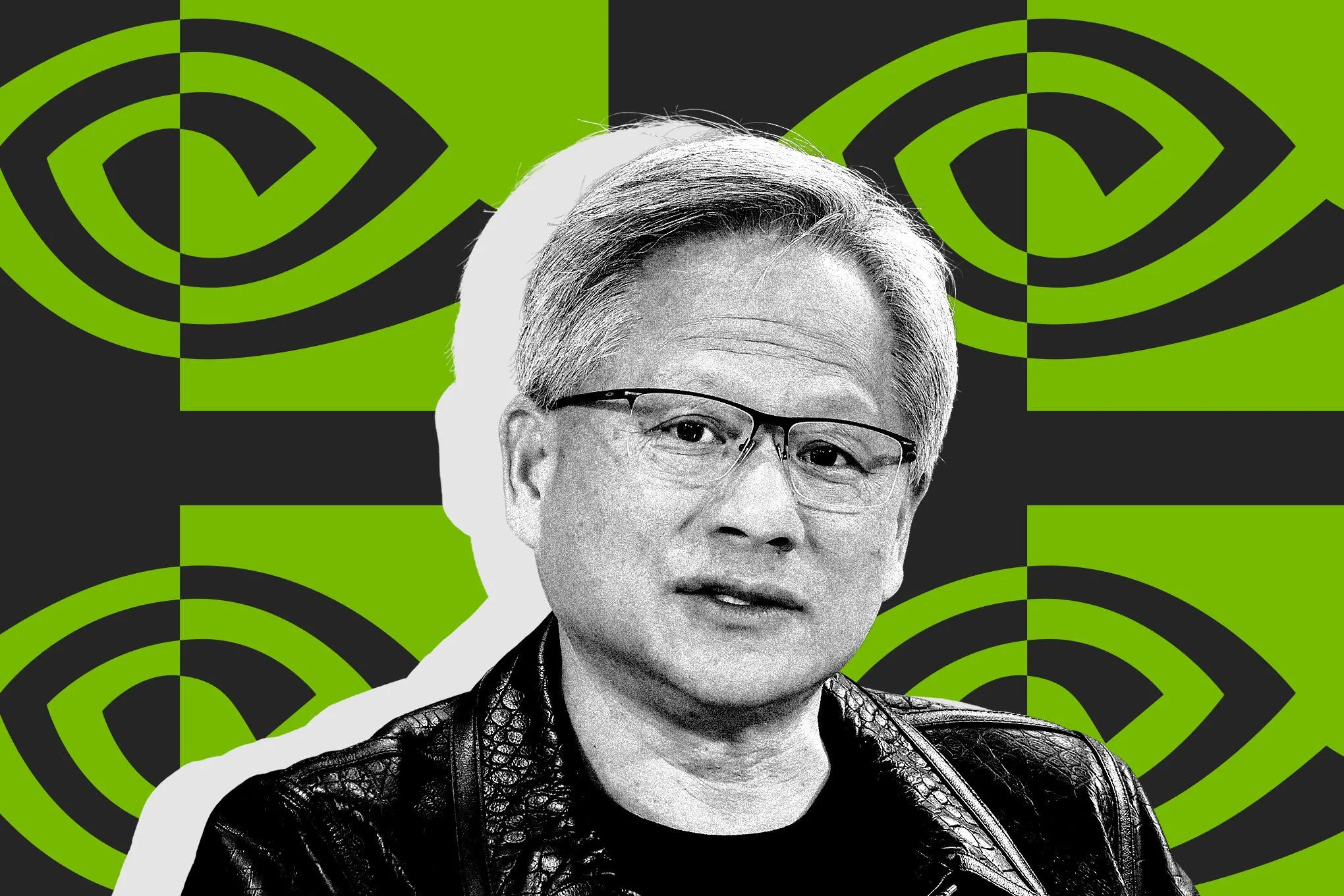
What Could China Gain From Jensen Huang?
Nvidia’s CEO Jensen Huang sits at the nexus of three powerful forces: cutting‑edge AI hardware, U.S. export‑control policy, and high‑level political access. That combination makes him an attractive intelligence target for any nation seeking to accelerate its own AI capabilities, especially China. While the specifics of alleged personal relationships remain unverified, the broader strategic implications are clear.
1. Access to Nvidia’s Roadmap and Supply Chain
Nvidia’s GPUs power the majority of large‑scale language models and training clusters in the United States. The company’s product pipeline— from the H20 series to future “next‑gen” chips— is closely guarded, yet it dictates the pace at which AI research can progress globally. If Chinese operatives were to obtain detailed information about upcoming architectures, process nodes, or performance benchmarks, they could:
- Accelerate domestic chip development by reverse‑engineering design cues.
- Prioritize procurement of existing Nvidia parts through front‑running purchases or covert channels.
- Inform policy‑making within China’s Ministry of Industry and Information Technology, allowing them to align domestic AI initiatives with the capabilities of imported hardware.
2. Influence Over Export‑Control Decisions
Huang has been an outspoken lobbyist for loosening U.S. restrictions on advanced semiconductors. His close ties to former President Trump and senior White House AI advisers gave him a direct line to shape export policy. For China, any leverage that helps keep those doors open is valuable. Potential gains include:
- Securing exemptions for high‑performance chips that would otherwise be barred, expanding the pool of Chinese firms that can train state‑of‑the‑art models.
- Creating a precedent that other U.S. chipmakers might follow, weakening the overall export‑control regime.
- Gaining insight into the U.S. decision‑making process, allowing Chinese negotiators to anticipate and counteract future restrictions.
3. Corporate‑Level Intelligence Gathering
Beyond technical specs, the relationships Huang cultivates with customers, investors, and policymakers are a treasure trove of strategic data. An intelligence asset embedded in his network could collect:
- Customer lists and order volumes, revealing which Chinese firms are already receiving Nvidia hardware and at what scale.
- Future partnership plans, such as joint ventures with Chinese cloud providers or AI labs.
- Internal assessments of competitive threats, which could inform China’s own R&D priorities.
These data points help Beijing map the global AI supply chain and identify choke points it might seek to bypass or control.
4. Risks and Countermeasures
The potential payoff for China is significant, but the risks to Nvidia and the broader U.S. tech ecosystem are equally high. A breach of trust could lead to:
- Sanctions or export‑control tightening, harming Nvidia’s revenue and the U.S. AI leadership position.
- Erosion of investor confidence, especially if allegations of espionage become public.
- Legal repercussions for any corporate officials found to have knowingly facilitated illicit technology transfer.
To mitigate these threats, companies should:
- Strengthen vetting of senior executives and their close contacts, especially those with frequent foreign travel.
- Implement robust monitoring of communications related to export‑control compliance.
- Separate lobbying activities from day‑to‑day business operations to reduce the risk of undue influence.
- Coordinate with government agencies to ensure that any suspected intelligence‑gathering is promptly investigated.
Closing Thoughts
Jensen Huang’s role as the public face of Nvidia’s AI dominance inevitably places him under the microscope of foreign intelligence services. While the exact nature of any alleged personal entanglements remains unconfirmed, the strategic value of the information he controls is undeniable. For China, gaining insight into Nvidia’s technology roadmap, supply chain, and policy lobbying could accelerate its own AI ambitions and undermine U.S. export‑control efforts. The situation underscores the need for heightened corporate vigilance and clear boundaries between business development and geopolitical influence.
Source
Read original sourceWhy we picked this
Discussion of Nvidia’s influence on China’s AI landscape, relevant industry news.