Was I wrong about open models & cyber risks?
Open‑weight AI models have accelerated cyber‑risk discovery but haven’t caused a catastrophic shift, and the real challenge lies in broader ecosystem resilience rather than model openness.
Open Models, Cyber Risks, and the Reality of ‘Black October’
The wave of vulnerability disclosures that landed in October—dubbed “Black October”—has sparked heated debate about whether open‑weight AI models are a new cyber‑weapon. While early commentary warned of disaster, the evidence to date suggests a more nuanced picture: open models are expanding the offense‑defense toolkit, but they have not yet upended the security landscape.
1. From Alarmist Predictions to Measured Observations
When Claude Mythos was announced, some analysts framed it as a potential catalyst for mass cyber‑infrastructure failure. Quotes from prominent voices painted a grim scenario of “zero‑day cornucopias” and “actual disaster” if the model fell into hostile hands. In hindsight, the fallout has been limited to targeted attacks on large‑scale digital products, not a systemic collapse. The key takeaway is that the predicted step‑change in risk has not materialized; instead, we see an acceleration of existing trends.
2. How Open Models Influence the Threat Landscape
Open models like GLM‑5.3 are being used to discover exploits, as demonstrated by a recent internal study that identified a Firefox vulnerability chainable into a remote file‑exfiltration attack. This illustrates two points:
- Multi‑stage attacks remain the norm – Finding a flaw is only one piece of a longer chain that requires a delivery mechanism, victim interaction, and often additional tooling.
- Resource asymmetry favors defenders – Large enterprises can adopt open models faster than many threat actors, who typically operate with fewer compute resources.
Consequently, open models are balancing the offense‑defense equation rather than tipping it dramatically.
3. The Bigger Picture: Ecosystem‑Level Dynamics
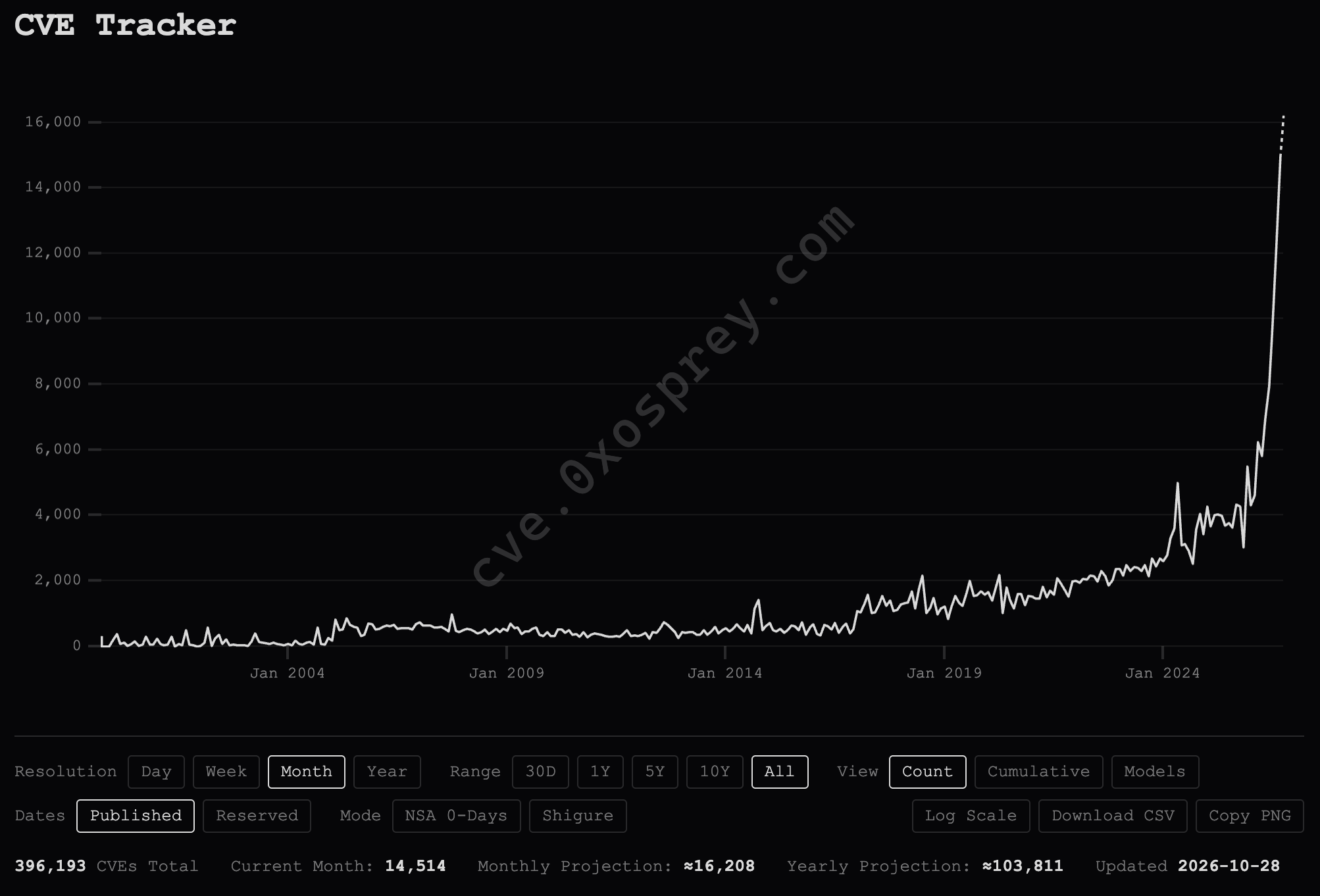
Cybersecurity has long been a societal problem, with vulnerability discovery and patching cycles predating modern AI. Recent data shows a steady, exponential rise in disclosed flaws, a trend that AI capabilities have merely amplified. The real lever for risk mitigation lies in:
- Improved vulnerability management – Faster detection, coordinated disclosure, and rapid patch deployment.
- Cross‑industry collaboration – Sharing threat intelligence between tech firms, governments, and critical infrastructure operators.
- Investment in defensive AI – While offensive research is more visible, developing models that assist in detection, triage, and remediation is essential.
4. Looking Ahead: What to Expect
In the short term, closed‑weight models remain more cost‑effective for attackers due to lower compute costs and broader API access. Open models are still expensive to serve at scale, limiting their immediate abuse. Over the longer horizon, as compute supply grows and model pricing drops, we can anticipate broader adoption across both offensive and defensive teams.
The critical question is not whether open models will be used maliciously, but how the broader security ecosystem will adapt. Expect:
- Continued “patch backlog” as organizations transition from a human‑centric internet to AI‑mediated workflows.
- Increased focus on verification – Generative models will be paired with robust verification pipelines to filter out malicious outputs.
- Policy and governance – Federal and industry guidelines will evolve to address the diffusion of powerful models, emphasizing responsible deployment over outright bans.
---
Bottom line: Open‑weight AI models have heightened the speed of vulnerability discovery, but they have not caused the catastrophic cyber‑breakdown some warned about. The challenge now is to strengthen the entire security ecosystem—through better patching, collaborative defense, and balanced AI research—so that the inevitable turbulence becomes a manageable, if costly, transition.
Source
Read original sourceWhy we picked this
Discusses emerging cyber risks of AI models, a meaningful AI news topic.