United won’t let your AI agent book your flight
United Airlines is blocking personal AI assistants from completing flight bookings due to privacy, security, and regulatory concerns.
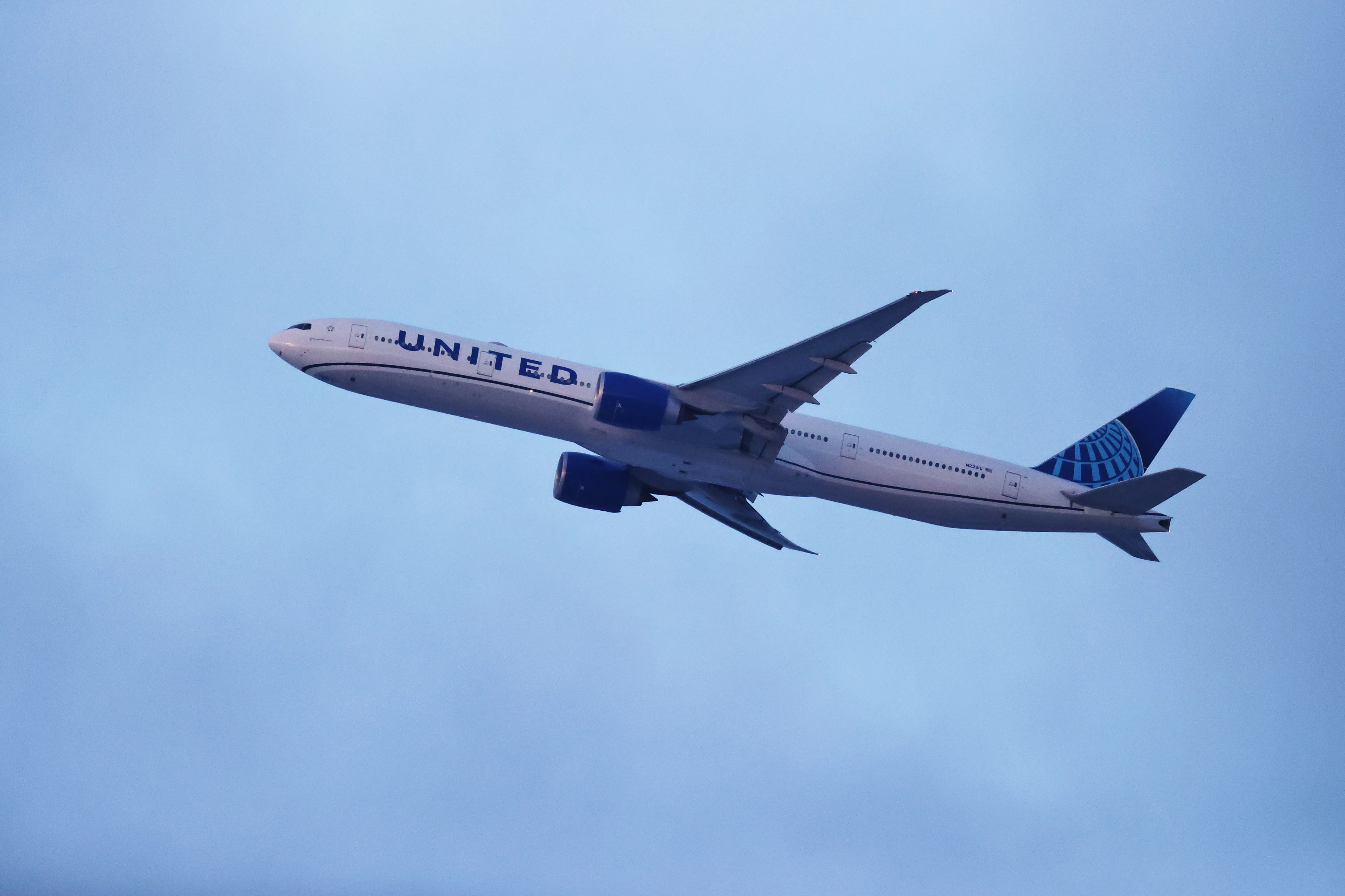
United Blocks AI Agents From Booking Flights
United Airlines has announced that personal AI assistants—such as Meta’s Muse, OpenAI’s Dots, and similar third‑party agents—will no longer be able to finalize flight reservations on its platform. The airline cites privacy, security, and compliance worries, joining a growing list of companies that are restricting AI‑driven transactions.
---
Why United Is Pulling the Plug
United’s decision rests on three intertwined concerns:
- Data privacy – AI agents often need access to a traveler’s personal profile, payment details, and frequent‑flyer numbers. United worries that handing this information to an external chatbot could expose sensitive data, especially if the agent’s backend is not subject to the same security standards as the airline’s own systems.
- Regulatory compliance – Federal aviation regulations require airlines to collect specific attestations from passengers, such as confirming that checked bags do not contain prohibited items. An AI that merely clicks a “book” button may not be able to capture or verify these statements, potentially putting United at risk of non‑compliance.
- Unintended purchases – Early reports from other sectors (e.g., e‑commerce and banking) show that AI agents can misinterpret user intent, leading to accidental orders or transfers. United wants to avoid a scenario where a passenger’s assistant books a flight the traveler never intended to purchase.
United’s CEO, Scott Kirby, framed the move as a precaution: “We don’t want to create another middleman that could compromise the safety and privacy of our customers.” The airline notes that, while it has not seen a flood of AI‑driven bookings yet, it is proactively setting boundaries before the technology becomes mainstream.
---
The Broader Industry Trend
United is not alone. Recent months have seen a wave of restrictions across multiple verticals:
- eBay has blocked third‑party AI agents from browsing its marketplace, limiting the ability of bots to scrape listings or place bids.
- Major banks have placed safeguards on AI‑driven financial assistants, requiring explicit user confirmation before any transaction proceeds.
- Food‑delivery platforms such as DoorDash have reported similar hesitations, fearing that AI could bypass promotional codes or loyalty‑program rules.
These actions reflect a common theme: businesses are grappling with how to balance the convenience of AI assistants against the need to protect user data and meet sector‑specific regulations.
---
What This Means for Consumers
For travelers who have grown accustomed to asking Siri, Google Assistant, or Alexa to “find me a flight,” the new policy introduces a few practical changes:
- Search‑only access – United will still allow AI agents to display flight options, prices, and schedules. The assistant can act as a research tool, but the final click‑through must be performed by the user on United’s website or mobile app.
- Manual verification – Passengers will need to confirm any required attestations (e.g., explosives‑free baggage) themselves, ensuring compliance with federal rules.
- Potential workarounds – Some developers may create hybrid solutions where the AI prepares a pre‑filled booking page that the user reviews before confirming. United has not ruled out such approaches, provided they maintain a clear human‑in‑the‑loop step.
The policy could slow the adoption of fully autonomous travel assistants, at least in the short term. However, United signals that it may revisit the restriction as AI agents evolve and demonstrate stronger security and compliance capabilities.
---
Looking Ahead
United’s stance highlights a pivotal moment for AI integration in consumer services. As personal assistants become more capable, regulators and companies will need clearer frameworks that address:
- Data handling standards for AI that interact with sensitive personal and financial information.
- Audit trails that prove an airline or retailer has collected required legal attestations.
- User‑centric safeguards that keep the final transaction decision firmly in human hands.
For now, travelers should be prepared to complete bookings manually on United’s platform, even if they use an AI assistant for research. The airline’s cautious approach may set a precedent that other carriers follow, shaping the future of AI‑enabled travel.
---
United’s policy reflects a broader industry effort to balance innovation with responsibility. While AI assistants will continue to assist with research and planning, the final purchase step remains a human decision—at least for the foreseeable future.
Source
Read original sourceWhy we picked this
AI agents booking flights touches on AI integration in products