Uber rival inDrive eyes 2027 robotaxi tests in Central Asia with Pony.ai and Nvidia
inDrive, Pony.ai and Nvidia plan to test robotaxis in Kazakhstan’s Astana in 2027, using a capital‑light partnership model to bring affordable autonomous rides to emerging markets.
Introduction
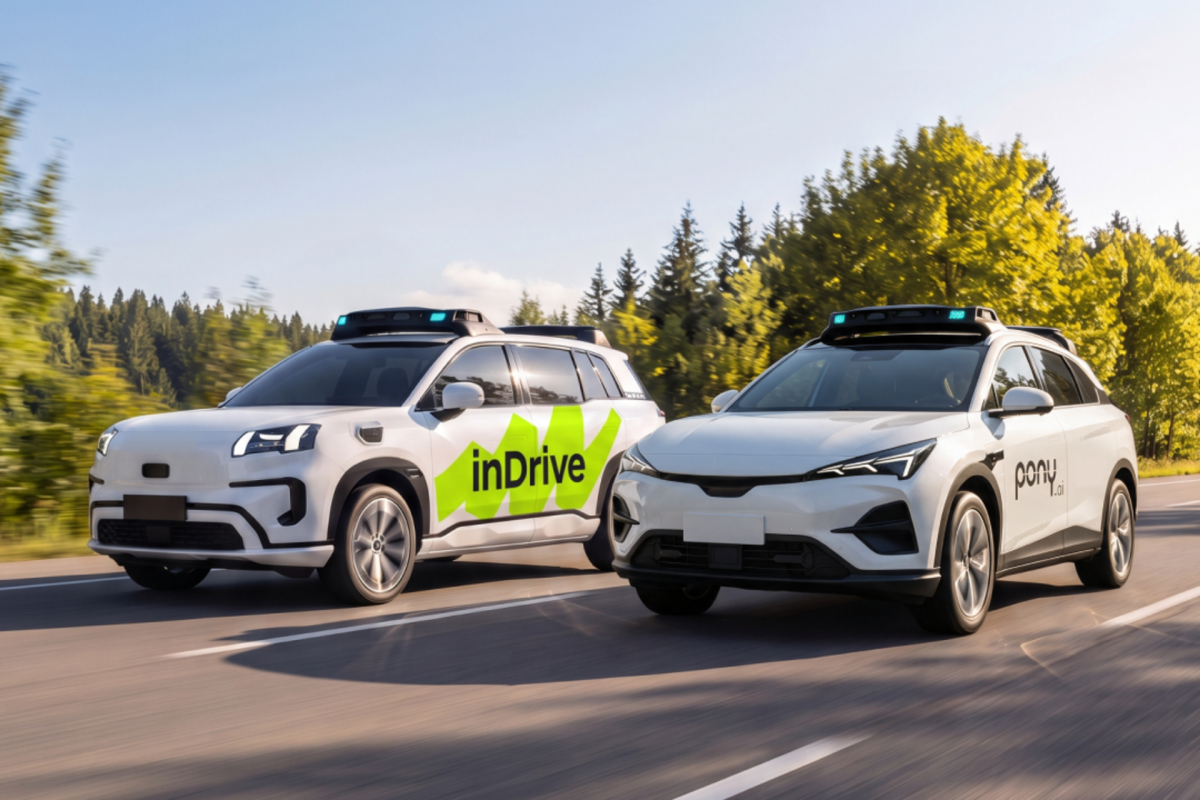
Ride‑hailing challenger inDrive is moving beyond fare‑negotiation apps to explore fully autonomous mobility. In partnership with Chinese self‑driving firm Pony.ai and chip‑maker Nvidia, the trio announced a memorandum of understanding to launch robotaxi trials in Astana, Kazakhstan, in the first half of 2027. The initiative showcases a capital‑light, partner‑centric approach aimed at delivering cost‑effective autonomous rides in markets where affordability and regulatory support are critical.
A Three‑Way Partnership
- inDrive will integrate Pony.ai’s autonomous fleet into its existing ride‑hailing platform, allowing users to request robotaxi rides through the familiar app. The company emphasizes a lightweight business model that relies on external expertise rather than building hardware in‑house.
- Pony.ai will supply its Gen‑7 robotaxi hardware, a next‑generation vehicle equipped with lidar, radar, and camera suites. The firm is expanding beyond China, targeting a global fleet of over 3,500 units across 20+ cities by the end of 2026.
- Nvidia will provide the AI stack, including the Hyperion platform and Halos safety system. Nvidia’s claim is that the stack can reduce development costs by offering a ready‑made sensor‑fusion and compute foundation, along with synthetic‑data tools for testing diverse driving scenarios.
The partnership’s structure mirrors recent moves by Uber and other global players, but inDrive’s focus on emerging markets and a “capital‑light” philosophy distinguishes it from larger, vertically integrated competitors.
Why Kazakhstan?
Kazakhstan has announced a national roadmap for autonomous taxis, with pilot programs slated for 2027 in Astana and two additional cities. The country’s regulatory framework now permits testing on select public roads, and its harsh winter climate presents a rigorous proving ground for autonomous systems. Successful operation in snow‑laden conditions could demonstrate robustness that appeals to other cold‑weather markets.
Astana’s population of roughly 1.7 million provides a manageable scale for early trials while still offering enough ride demand to generate meaningful data. InDrive’s existing presence in over 1,200 cities across 47 countries gives it a ready user base and operational experience to support the rollout.
Implications for the Robotaxi Landscape
- Cost‑Driven Expansion – By leveraging Nvidia’s off‑the‑shelf AI platform, inDrive hopes to keep per‑vehicle costs low, a crucial factor for price‑sensitive markets.
- Regulatory Collaboration – InDrive’s leadership stresses the need for a collaborative regulatory environment. Kazakhstan’s proactive stance could serve as a template for other emerging economies.
- Competitive Pressure – Uber’s recent tests with Pony.ai in London and Wayve in the Middle East illustrate a broader industry shift toward multi‑partner ecosystems. InDrive’s entry adds another contender to the growing robotaxi race, especially in regions where Uber’s footprint is thinner.
- Technology Validation – Testing in extreme winter conditions will provide valuable data on sensor reliability, perception algorithms, and safety protocols, potentially accelerating broader adoption.
Looking Ahead
If the Astana pilots progress from safety‑operator‑supervised rides to fully driverless service, inDrive could quickly replicate the model in other Central Asian cities and beyond. The company’s parallel talks with Saudi Arabia’s AI Driver and Chinese firm WeRide suggest a broader strategy of regional diversification.
The success of this venture will hinge on three factors: the reliability of Pony.ai’s Gen‑7 hardware in severe weather, Nvidia’s ability to deliver a seamless AI stack that meets local safety standards, and Kazakhstan’s regulatory willingness to allow real‑world autonomous operations. A positive outcome could cement inDrive’s reputation as a nimble, partnership‑driven player capable of bringing affordable robotaxi services to markets that have been overlooked by larger incumbents.
--- InDrive’s 2027 robotaxi tests in Kazakhstan illustrate how a capital‑light, multi‑partner approach can accelerate autonomous mobility in emerging markets, potentially reshaping the global robotaxi landscape.
Source
Read original sourceWhy we picked this
Core AI content about robotaxi testing with Pony.ai and Nvidia