The tech backlash is now in theaters
Hollywood’s 2026 slate of tech‑focused films turns the spotlight on Silicon Valley’s biggest figures, reflecting a growing cultural backlash against Big Tech.
The New Wave of Tech‑Centric Cinema
In 2026, a surprising number of high‑profile movies have taken aim at the most powerful players in Silicon Valley. From dramatized biopics to hard‑hitting documentaries, filmmakers are using the big screen to interrogate the influence of companies and founders who have reshaped daily life. This shift signals a broader cultural reckoning: audiences are no longer content with heroic myth‑making; they want to see the ethical and societal costs of unchecked technological power.
From Villainous CEOs to Troubled Founders
A handful of recent releases illustrate the range of approaches:
- The Social Reckoning reimagines Mark Zuckerberg as a cold, growth‑obsessed antagonist, weaving whistleblower Frances Haugen’s revelations into a narrative that links Facebook’s algorithmic choices to real‑world harms such as misinformation and teen mental‑health crises.
- Musk, a documentary by Alex Gibney, chronicles Elon Musk’s ascent while probing why governments and investors have granted him outsized authority. The film’s contentious promotion—blocked on several platforms and sparking legal threats—underscores the very power dynamics it examines.
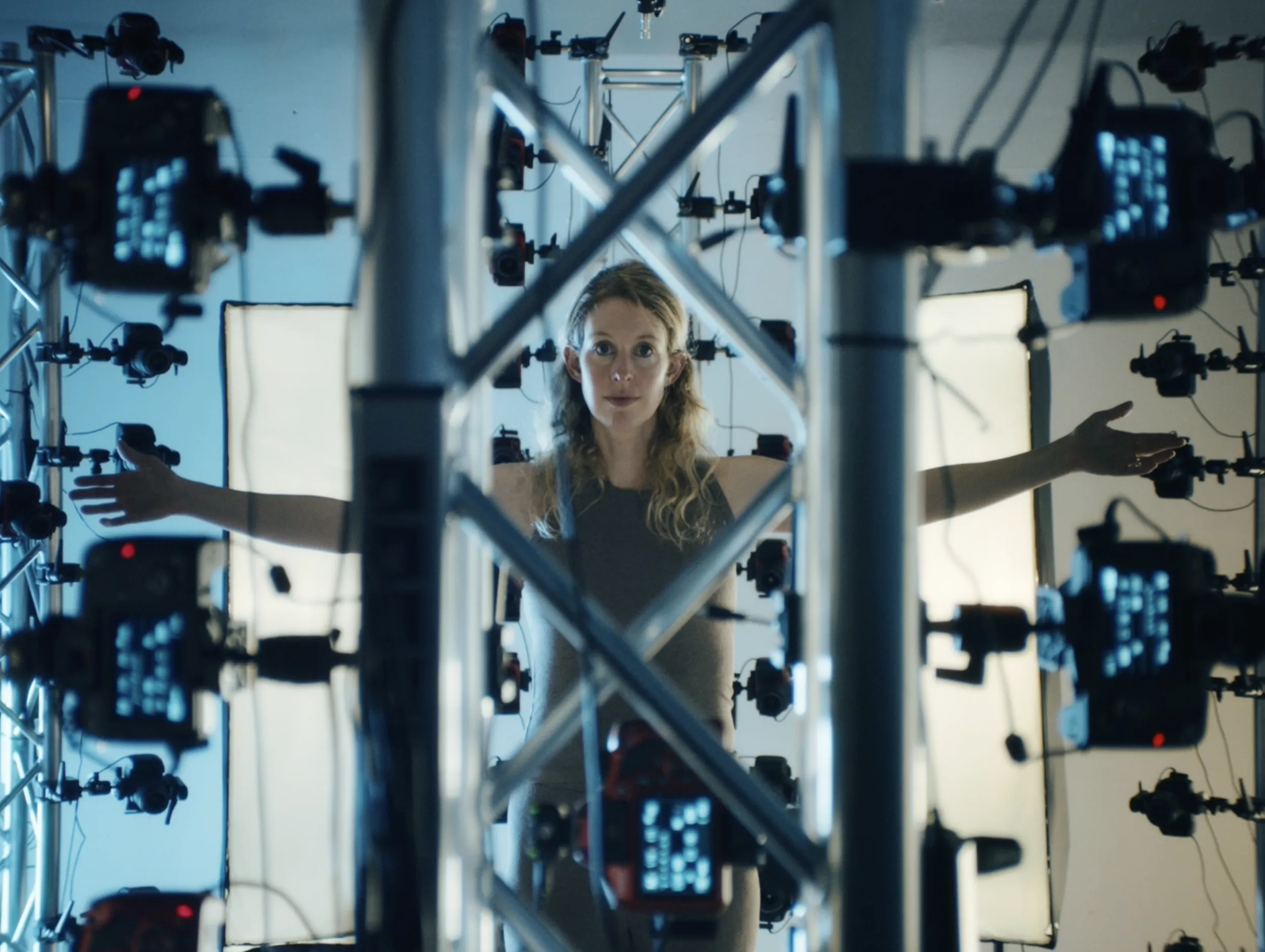
- You Can See Everything follows Nathan Fielder’s immersive documentary style, placing Elizabeth Holmes in a domestic setting as she confronts her past. The uneasy partnership between filmmaker and subject forces viewers to question who controls the story.
- Artificial, Luca Guadagnino’s dark comedy, satirizes Sam Altman and the broader AI industry, highlighting the moral ambiguities of a technology that promises both liberation and surveillance.
Each project draws on extensive investigative reporting, translating complex regulatory and ethical debates into accessible, emotionally resonant storytelling.
Industry Pushback and Distribution Challenges
The backlash against Big Tech is not limited to the content of these films; it also appears in their distribution. Amazon’s decision to pull back from releasing Artificial after announcing a massive investment in OpenAI illustrates the tension between corporate interests and critical narratives. Similarly, the Musk documentary faced advertising bans on multiple platforms, with TikTok maintaining its block despite later reversals elsewhere. These obstacles reveal how entrenched tech interests can shape the cultural conversation, even as filmmakers strive to expose them.
Why Audiences Are Paying Attention
Box‑office numbers for these titles have been modest, but their cultural impact is outsized. The films tap into a growing public fatigue with tech giants that promise convenience while eroding privacy, amplifying inequality, or destabilizing democratic processes. As generative AI becomes woven into everyday products and high‑profile legal battles continue, viewers are seeking context and accountability—roles traditionally filled by journalism, now migrated to cinema.
Looking Ahead
The current slate suggests that Hollywood will keep mining Silicon Valley for stories, especially as new controversies emerge around AI, space ventures, and crypto. Future projects may explore the fallout from regulatory crackdowns, the human cost of gig‑economy platforms, or the ethical dilemmas of biometric surveillance. For now, the 2026 lineup offers a compelling snapshot of a cultural moment where tech’s triumphs are being weighed against their societal toll.
--- The tech backlash is no longer confined to op‑eds and think‑pieces; it’s now playing out on the big screen, inviting audiences to reconsider the narratives that have long glorified Silicon Valley’s titans.
Source
Read original sourceWhy we picked this
AI relevance scoring was unavailable; retained a source-matched candidate for manual review.