The October inflection point for vibe game development
October 2026 marks an inflection point where AI models like Claude Opus 5.5 can vibe‑code fun, browser‑based games with minimal human effort.
The October Inflection Point for Vibe Game Development
In October 2026 the landscape of indie game creation shifted dramatically. Recent advances in large language models—most notably Claude Opus 5.5—have moved beyond merely generating code snippets to delivering complete, enjoyable games with little to no manual coding. The result is a new era of vibe‑coded development, where developers provide high‑level prompts and the AI handles 3D modeling, music, and even game design decisions.
---
1. Why This Moment Matters
The breakthrough mirrors the 2025 inflection point for coding agents, but the stakes are higher for games because they blend visual art, audio, narrative, and interactive mechanics. Opus 5.5 shows measurable improvements in:
- 3D asset creation – realistic three.js models appear straight from a prompt.
- Procedural music – AI‑generated soundtracks that adapt to gameplay.
- Game design intuition – the model can suggest loops, difficulty curves, and rewarding feedback systems when asked to “make it a lot more fun.”
These capabilities collapse the traditional multi‑disciplinary pipeline into a single conversational interface, reducing development cycles from months to hours.
---
2. Four Games that Prove the Point
Tree Appreciator
A minimalist three.js “spot‑the‑difference” experience built in a single prompt. The AI generated two algorithmic trees, a charming UI, and a herbarium‑style collection system. No follow‑up prompting was required, demonstrating that even simple concepts can be turned into polished, mobile‑friendly games instantly.
Emberwick
A top‑down fantasy RPG that evolved through iterative prompts. Starting with a basic engine, the model added terrain, basements, a mountain cave, and a full narrative arc. The final product includes a level editor and a 15‑minute story that emotionally resonated with the author—entirely AI‑crafted except for the high‑level setting description.
Battle Drones
A real‑time strategy game reminiscent of Command & Conquer. After an initial 2D prototype, a single “make it a LOT more fun” prompt transformed it into a three.js multiplayer experience with maps, mutators, and a mode where different LLMs compete turn‑based. The project showcases Opus 5.5’s ability to design engaging mechanics, generate diverse 3D models, and support community‑driven forks (e.g., the steampunk “Panache” variant).
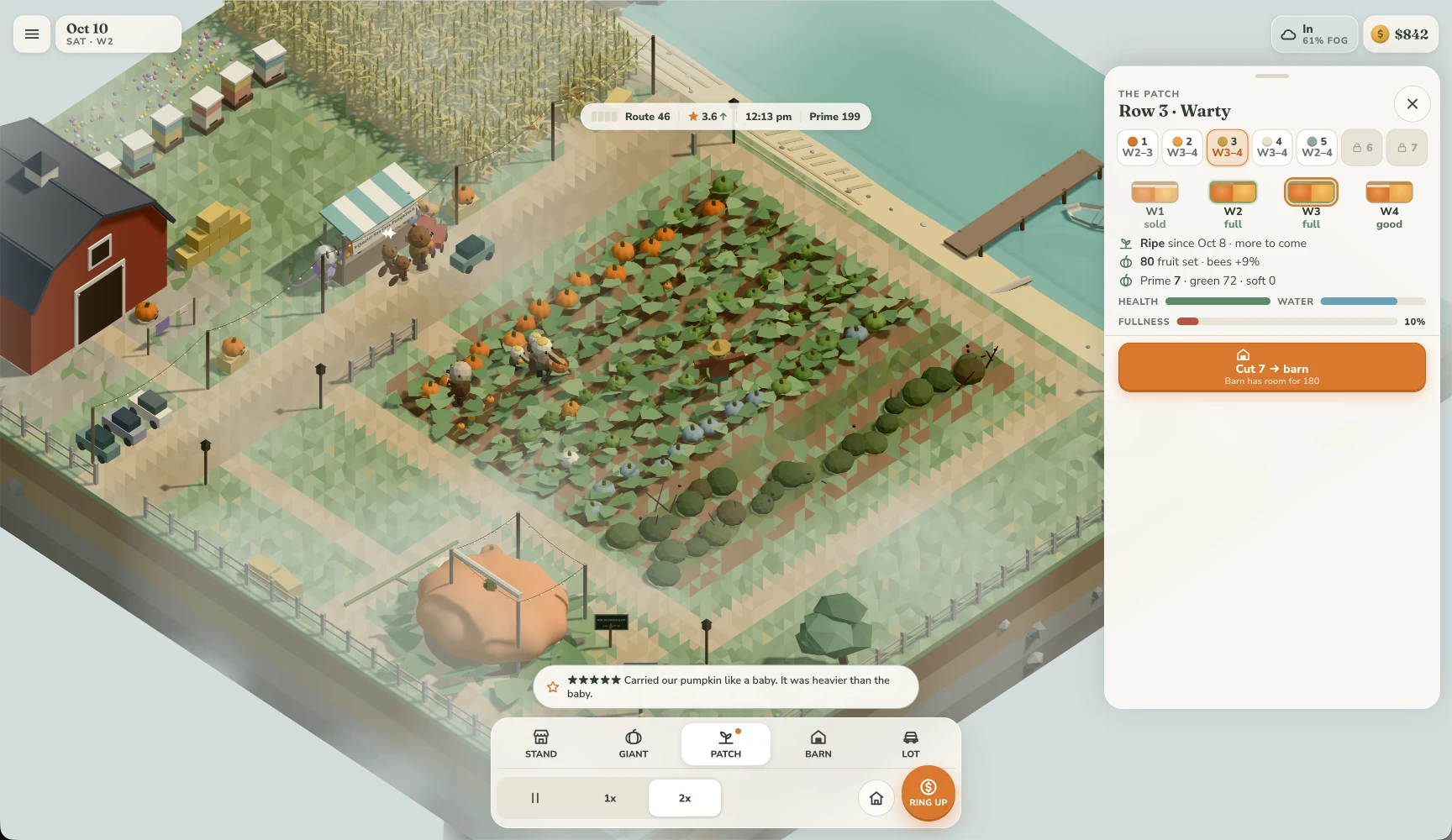
Pumpkin Farmer (Quarter Sun Cove)
A quirky farming simulator set during the October pumpkin festival. The AI handled world‑building, character designs (vegetarian animals), seasonal mechanics, and countless easter eggs. While still polishing gameplay balance, the game illustrates how AI can produce uniquely personal experiences that would be unlikely without its generative breadth.
---
3. Implications for the Industry
Democratization vs. Purism
The ability to produce complete games with a few prompts lowers the barrier to entry dramatically. Hobbyists can now prototype and ship multiplayer titles without mastering graphics pipelines or audio engineering. Conversely, a segment of the community resists AI‑generated assets, fearing loss of artistic authenticity. This tension mirrors earlier debates around AI‑generated art on platforms like Midjourney.
New Competitive Spaces
Traditional game jams may become less relevant for vibe‑coded projects, but new venues—AI‑game showcases, model‑versus‑model tournaments, and open‑source repositories—are emerging. The Battle Drones multiplayer mode, where different LLMs control opposing armies, exemplifies a fresh competitive format.
Future Development Horizons
All four examples required under four hours of direct human effort. Imagine a developer investing weeks of design thinking, narrative crafting, and playtesting while the AI handles the heavy lifting. The resulting games could reach higher polish, deeper mechanics, and richer worlds than today’s rapid prototypes.
---
4. Practical Takeaways
- Start with a clear, high‑level prompt – specify genre, core mechanic, and aesthetic direction.
- Iterate on fun – ask the model to “make it more fun” or “balance difficulty” after an initial build.
- Leverage three.js – the model reliably produces WebGL‑compatible code, making browser deployment trivial.
- Embrace open‑source – publishing under permissive licenses invites community contributions and showcases the collaborative potential of AI‑generated games.
---
Closing Thought
October 2026 isn’t just another calendar milestone; it signals that AI can now shoulder the creative weight of game development while humans focus on vision and curation. The next wave of indie titles will likely be defined not by who can code the fastest, but by who can craft the most compelling prompts and curate the AI’s output into experiences that truly delight players.
Source
Read original sourceWhy we picked this
Discusses new large models and their impact on game development, core AI content