Silicon Valley is falling in line with Trump’s attempt to rename AI
Silicon Valley’s top executives are publicly adopting President Trump’s push to rebrand artificial intelligence as “super intelligence,” reflecting a strategic alignment with the administration.
Introduction
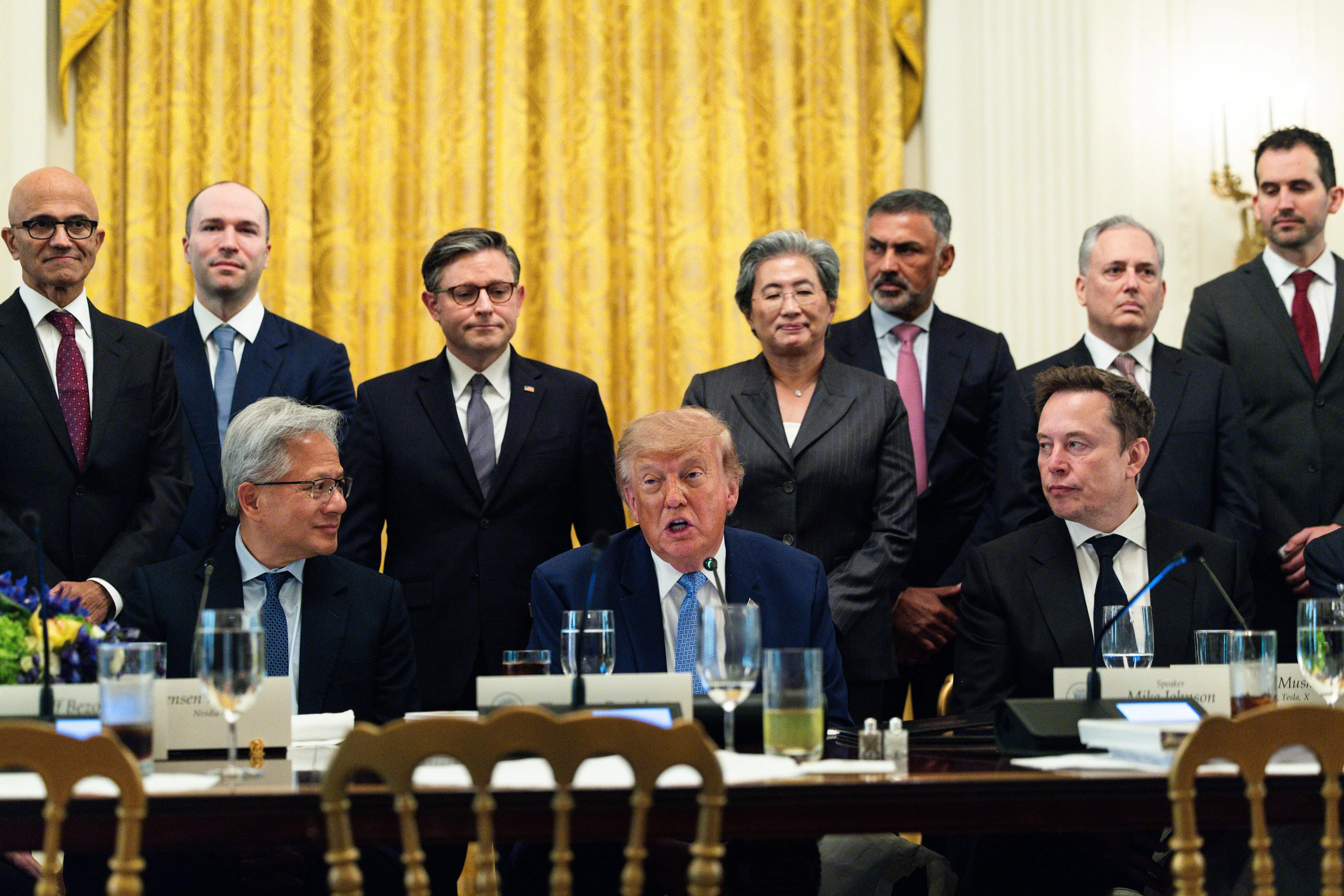
In a surprising turn of events, several of the most influential leaders in Silicon Valley have begun using President Donald Trump’s preferred term “super intelligence” instead of the widely accepted “artificial intelligence” (AI). This shift follows Trump’s recent executive order urging government agencies to adopt the new terminology and signals a broader effort by tech CEOs to align themselves with the current administration.
Why the Rebrand Matters
The term "artificial intelligence" has become a staple in both industry and public discourse, encompassing everything from machine‑learning models to autonomous systems. By promoting "super intelligence," the administration aims to reshape the narrative around these technologies, emphasizing their potential power while downplaying perceived risks. For tech leaders, adopting the new language can serve multiple purposes:
- Political goodwill: Demonstrating support for the president’s agenda may smooth regulatory negotiations and secure favorable policy outcomes.
- Brand positioning: Aligning with a high‑profile political figure can generate media attention and differentiate a company’s messaging in a crowded market.
- Risk management: Embracing the term early may preempt criticism if future regulations mandate its use.
Notable Industry Shifts
Elon Musk – SpaceXSI
Elon Musk was among the first to publicly endorse the rebrand, announcing that SpaceX’s AI division would be renamed SpaceXSI (SpaceX Super Intelligence). Musk framed the change as a reflection of the technology’s evolving capabilities and its role in future space missions.
Marc Benioff – SIForce
Salesforce CEO Marc Benioff followed suit, rebranding the company’s AI research arm from AIForce to SIForce. Benioff positioned the shift as a commitment to responsible development, emphasizing that "super intelligence" better captures the ambition of the platform’s next generation of tools.
Jensen Huang – Nvidia’s $1 B Commitment
Nvidia’s founder Jensen Huang attended the summit where the executive order was announced and pledged a $1 billion investment in "super intelligence research." While the exact allocation of funds remains undisclosed, Huang’s statement underscored the belief that the industry’s most pressing challenges can be addressed under the new terminology.
Satya Nadella – Microsoft’s Emergency Brake
Microsoft’s Satya Nadula, speaking at the same summit, repeatedly used "super intelligence" while advocating for an "emergency brake" on advanced AI systems. Nadella’s remarks linked the term to a broader safety framework, suggesting that the rebrand could help frame regulatory discussions around risk mitigation.
Implications for the Tech‑Policy Landscape
The coordinated adoption of "super intelligence" by these CEOs suggests a strategic calculus that goes beyond mere semantics. By aligning with the administration’s language, Silicon Valley may be seeking to:
- Influence policy formation: Early adoption can give industry leaders a seat at the table when regulations are drafted, potentially shaping the scope and enforcement mechanisms.
- Mitigate regulatory risk: Demonstrating compliance with the president’s directive could reduce the likelihood of punitive actions or stricter oversight.
- Shape public perception: Reframing AI as "super intelligence" may shift public discourse toward optimism, counterbalancing narratives about job displacement or existential threats.
A Cautious Outlook
While the rebranding effort appears coordinated, it also raises questions about the long‑term impact on transparency and public understanding. Critics argue that changing terminology without substantive technical justification could obscure the real capabilities and limitations of these systems. Moreover, the alignment with a politically polarizing figure may alienate segments of the tech community that value independence from governmental influence.
Conclusion
Silicon Valley’s embrace of President Trump’s "super intelligence" label reflects a calculated move to stay in step with the current political climate. Whether this linguistic shift will translate into meaningful policy influence or simply serve as a branding exercise remains to be seen. As the debate over AI governance intensifies, the industry’s language choices will continue to play a pivotal role in shaping both regulation and public perception.
Source
Read original sourceWhy we picked this
Policy discussion about renaming AI impacts perception and governance of AI.