Silicon Valley claims to know the future. So why did it get the midterms so wrong?
Silicon Valley’s overconfidence in its predictive powers led it to back Trump’s AI agenda, a misstep that the midterm results exposed and now forces a costly reputational and strategic recalibration.
Introduction
Silicon Valley has long marketed its leaders as futurists who can anticipate the next wave of technology and society. From Mark Zuckerberg’s decade‑long roadmaps to Elon Musk’s grand visions of colonizing Mars, long‑term thinking is a badge of honor. Yet the industry’s recent public alignment with former President Donald Trump’s “Super Intelligence” agenda—just weeks before the 2026 midterms—proved a stark reminder that political foresight is not a given. The election outcome has left many tech executives scrambling, employees uneasy, and the sector’s reputation for prescience in tatters.
Why the Political Gamble Failed
Misreading the Electoral Landscape
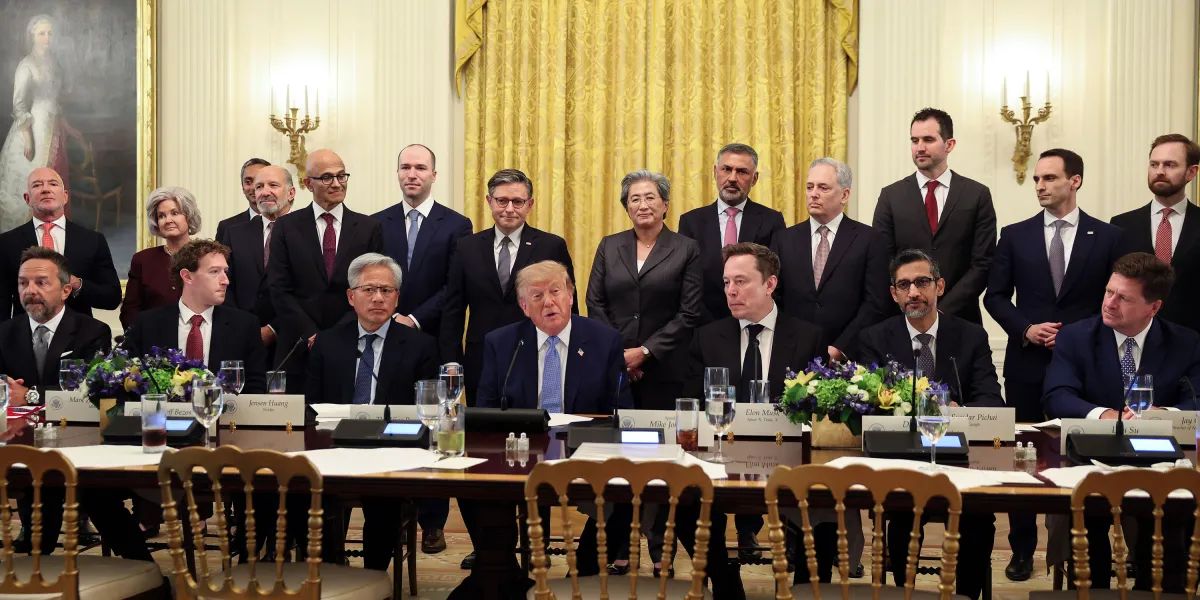
Polls throughout the campaign season showed a growing anti‑Trump sentiment across the electorate, including among key constituencies that influence data‑center siting and AI regulation. Despite this, a handful of high‑profile tech CEOs chose to appear at the White House, signaling an endorsement that ran counter to the broader market mood. Their decision ignored a basic political calculus: while tech projects span decades, administrations change every four years. Aligning a multi‑billion‑dollar industry with a transient political figure created a vulnerability that the midterms quickly exposed.
The Cost of Partisan Perception
By publicly supporting Trump’s AI narrative, Silicon Valley turned a technical debate into a culture‑war flashpoint. Legislators on both sides of the aisle now view AI initiatives through a partisan lens, complicating permits for new data centers, grid access approvals, and federal research funding. Employees report a silence from leadership, with internal communications offering little guidance on navigating the new Democratic‑led environment. The lack of a clear post‑election strategy has amplified uncertainty among staff and investors alike.
The Fallout Inside the Valley
Employee Disillusionment
Conversations with workers at OpenAI, Meta, and other firms reveal a common sentiment: leaders who once seemed omniscient now appear out of touch. Without transparent messaging, staff worry about potential regulatory crackdowns and the future of projects tied to AI infrastructure. The “move fast and break things” mindset that once drove rapid innovation now feels reckless when reputational stakes are at play.
Strategic Inertia
Tech companies traditionally hedge by maintaining relationships with both parties in Washington. The recent overt political positioning has limited that flexibility. Unlike a software feature that can be rolled back, reputational damage from a partisan misstep cannot be undone with a simple update. Companies now face the challenge of rebuilding credibility with a Congress that may be skeptical of their motives.
Lessons for Future Visionaries
- Separate Technical Insight from Political Advocacy – Expertise in AI or networking does not translate into expertise in electoral dynamics. Leaders should keep policy engagement pragmatic rather than symbolic.
- Maintain Bipartisan Channels – Long‑term projects require stable regulatory environments. Cultivating relationships across the aisle safeguards against abrupt policy shifts.
- Communicate Internally During Crises – Transparent, timely updates help retain talent and mitigate internal speculation when external events turn unfavorable.
- Treat Reputation as an Asset – In an industry where public trust influences everything from data‑center approvals to talent acquisition, protecting brand goodwill should be a core strategic priority.
Closing Thoughts
The midterm results have punctured a cherished myth in Silicon Valley: that its leaders can always see what’s next. The episode underscores that foresight in technology does not guarantee foresight in politics. As the sector recalibrates, the most successful companies will be those that blend their visionary ambitions with a disciplined, non‑partisan approach to public policy—recognizing that the future they build depends as much on political stability as on technical brilliance.
Source
Read original sourceWhy we picked this
Mentions major AI leaders and their visions, relevant to AI industry trends.