Robotic therapy for stroke patients
Robotic therapy that blends generative AI with real‑time force feedback offers personalized stroke rehabilitation, extending therapists’ reach without replacing them.
Introduction
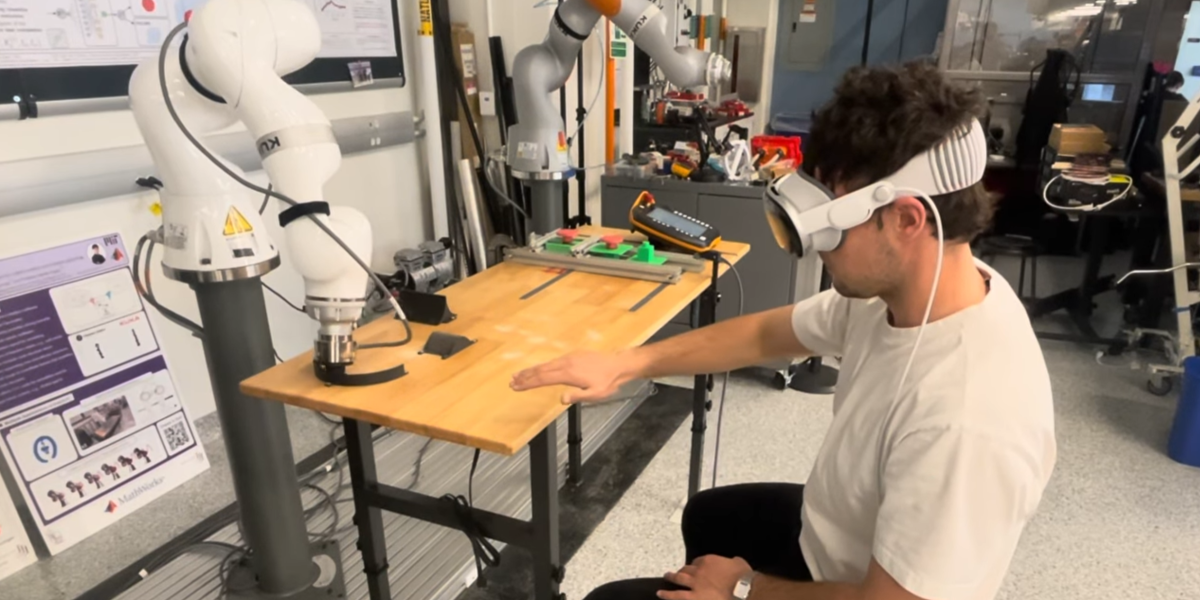
Stroke leaves roughly five million people each year with lasting motor impairments, and the growing shortage of physical therapists limits access to intensive rehabilitation. A new system developed by Johannes Lachner (Purdue University) and Noah Geiger (MIT) combines generative AI with real‑time force feedback to create an adaptive robotic therapist. The device learns from human therapists and delivers just‑right assistance during exercises such as arm reaching and daily‑living tasks, aiming to augment—not replace—clinical care.
How the System Works
The robot is equipped with sensors that measure the force a patient exerts during a movement. Using generative AI models trained on data collected from experienced therapists, the system predicts the optimal level of support for each repetition. As the patient performs an exercise, the robot continuously adjusts its assistance, providing a personalized, responsive experience that mirrors a human therapist’s intuition.
Key technical components include:
- Real‑time force feedback: Sensors capture minute variations in patient effort, allowing the AI to fine‑tune assistance on the fly.
- Generative AI modeling: The AI learns patterns from therapist‑guided sessions, creating therapist‑specific models that can be applied to new patients.
- Adaptive control loops: The robot’s actuators respond instantly to AI recommendations, ensuring smooth, safe movements.
Early Results and Future Plans
Initial laboratory experiments have demonstrated feasibility: patients receiving robot‑assisted therapy showed comparable improvements to those undergoing manual therapy, while therapists reported reduced physical strain. The next phase will involve developing individualized therapist models and conducting a long‑term clinical study with participants who have previously received conventional therapy. Success in this phase could validate the approach for broader clinical adoption.
Beyond stroke rehabilitation, Lachner envisions applications in contact‑rich industrial settings and collaborative workspaces, where adaptive force assistance could improve safety and efficiency.
Practical Implications for Stroke Care
- Extended therapist reach: Clinics can serve more patients without sacrificing the quality of individualized guidance.
- Consistent dosing: The robot delivers precise assistance levels, reducing variability that can arise from human fatigue.
- Data‑driven insights: Continuous sensor data creates a rich record of patient progress, supporting evidence‑based adjustments to therapy plans.
Conclusion
Robotic therapy that leverages generative AI and force feedback represents a promising step toward scalable, personalized stroke rehabilitation. By learning from human experts and delivering tailored assistance, the system seeks to amplify therapist impact while maintaining the human touch essential to recovery. Continued clinical validation will determine how quickly this technology can move from prototype to standard care, potentially reshaping the landscape of post‑stroke therapy.
Source
Read original sourceWhy we picked this
Core AI content: combines artificial intelligence with robotic therapy for stroke patients.