Pope Leo calls for the disarmament of AI: ‘Machines are tools, not persons’
Pope Leo XIV urges the UN to ban lethal autonomous weapons and treat AI as tools under human oversight, emphasizing ethical safeguards and accountability.
Introduction
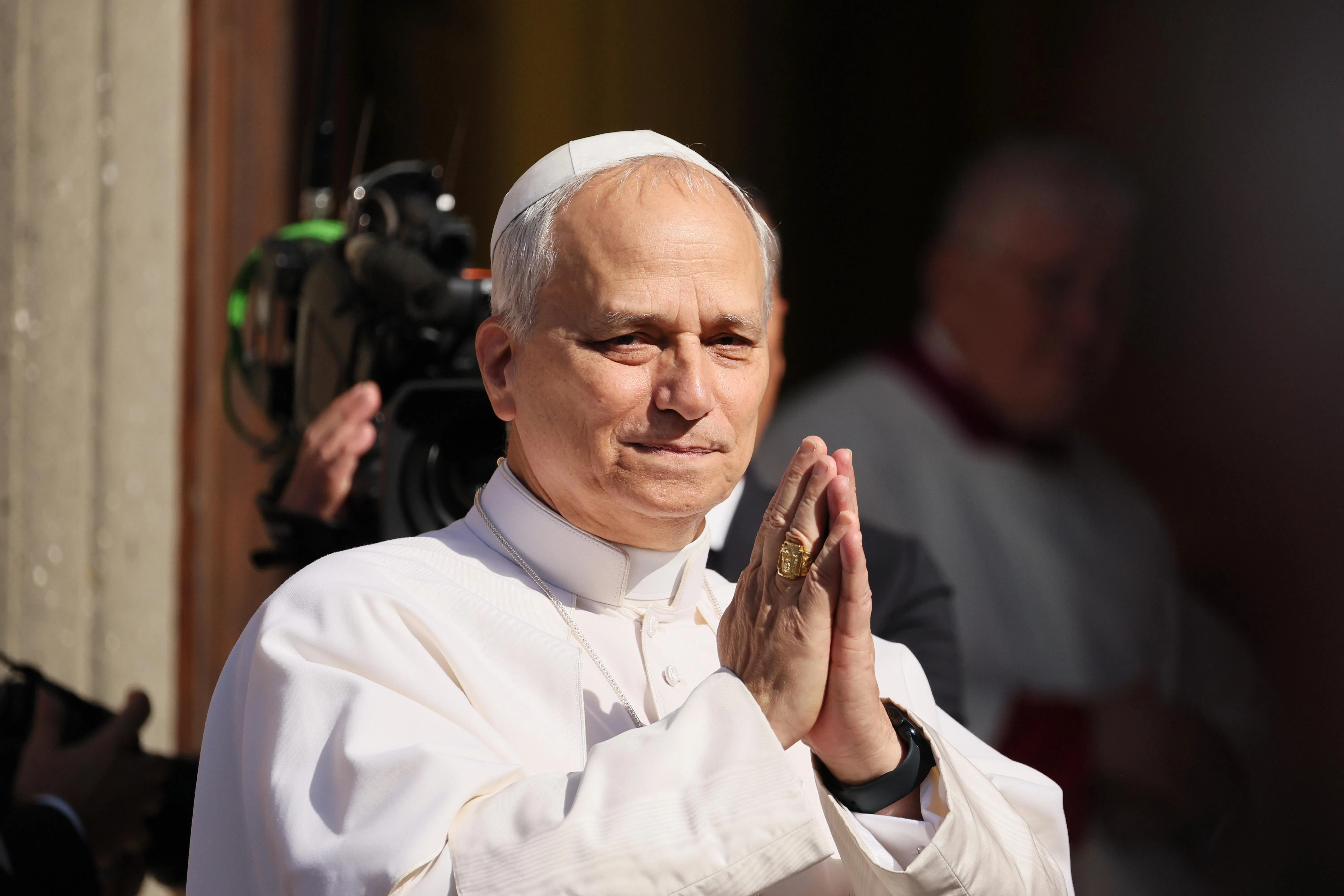
In a recent papal address, Pope Leo XIV called on United Nations member states to take concrete steps toward banning lethal autonomous weapons (LAWs) and to treat artificial intelligence (AI) systems as tools rather than persons. Drawing on themes from his May encyclical on safeguarding humanity in the age of AI, the Pope emphasized the need for robust human oversight, shared standards, and clear accountability mechanisms.
AI as Tools, Not Persons
Pope Leo reiterated a central tenet of his teaching: "Machines are tools, not persons." He warned against granting AI systems legal personhood or rights, arguing that decisions affecting human life, freedom, and the use of force must remain under informed and responsible human control. This perspective aligns with earlier statements from Pope Francis in 2024, who similarly opposed any machine making life‑or‑death decisions.
The Call for a Ban on Lethal Autonomous Weapons
The Pope’s appeal to the UN focuses on the development and deployment of LAWs—systems that can select and engage targets without direct human intervention. He urged member states to adopt concrete measures, including:
- International treaties that prohibit the design, production, and use of fully autonomous weaponry.
- Mechanisms for verification and compliance monitoring.
- Collaborative research on safe AI practices that prioritize human dignity.
Safeguarding the Common Good
Beyond weaponry, Pope Leo highlighted broader AI‑related risks to the common good. He called for:
- Shared Standards: Global consensus on ethical AI development, ensuring transparency and fairness.
- Independent Oversight: Bodies free from commercial or political pressure to evaluate AI systems and their societal impact.
- Accountability Mechanisms: Clear pathways for redress when AI causes harm, including legal and moral remedies.
These recommendations aim to embed human values into the rapidly evolving AI landscape, preventing unchecked automation from eroding personal autonomy and societal cohesion.
Practical Implications for Policymakers and Industry
For governments, the Pope’s address underscores the urgency of integrating ethical considerations into AI policy frameworks. This may involve:
- Drafting legislation that defines the limits of autonomous decision‑making in critical sectors such as defense, healthcare, and transportation.
- Funding interdisciplinary research that brings together theologians, ethicists, technologists, and legal scholars.
- Engaging civil society to ensure diverse perspectives shape AI governance.
For technology firms, the message translates into a responsibility to design AI systems with built‑in human‑in‑the‑loop controls, rigorous testing, and transparent documentation of decision‑making processes.
Conclusion
Pope Leo XIV’s appeal to the international community serves as a moral compass amid accelerating AI capabilities. By framing AI as a tool under human stewardship, he reinforces the principle that technology must serve humanity, not replace it. The call for a ban on lethal autonomous weapons and the push for global standards and oversight present a clear roadmap for policymakers, industry leaders, and civil society to ensure AI advances responsibly, safeguarding human dignity and the common good.
Source
Read original sourceWhy we picked this
Policy discussion on AI safety and lethal weapons, relevant but not core tech