OpenAI is quietly renaming data centers ‘compute campuses’
OpenAI’s rebranding of its data centers as “compute campuses” is a PR move that critics say sidesteps real environmental and community concerns.
Introduction
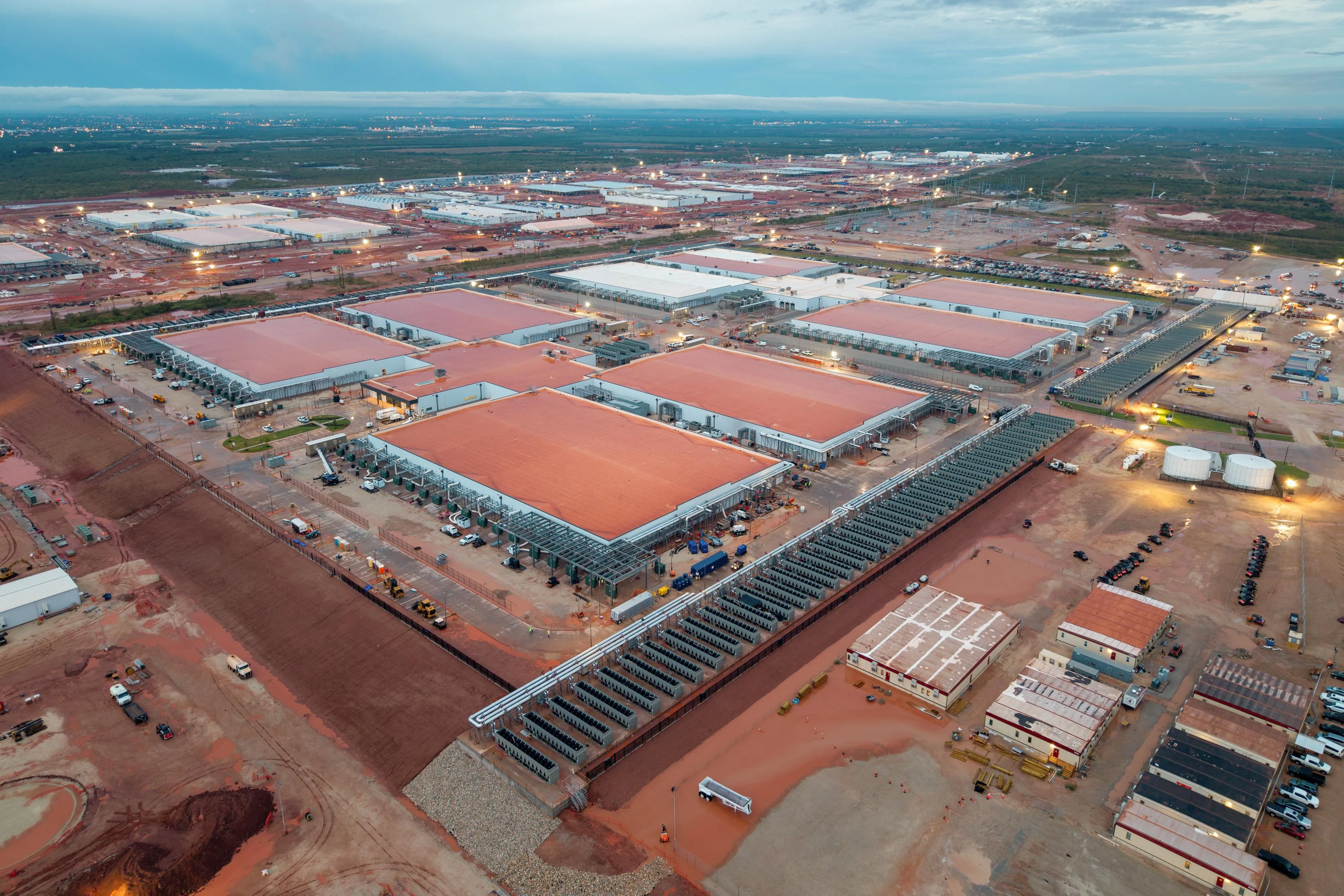
OpenAI has started referring to its sprawling AI infrastructure as “compute campuses” rather than the traditional term “data centers.” The shift was announced alongside a new “Grid Protectors Program” aimed at mitigating the strain its facilities place on local power grids. While the language sounds more progressive, many observers argue that a name change does little to address the underlying environmental impact, resource demands, and community opposition that have long plagued large‑scale data center projects.
Why the Rebrand?
OpenAI’s announcement mentions the term “compute campus” over 30 times, with “data center” appearing only twice. The company frames the new nomenclature as a signal of greater flexibility in power usage and a commitment to paying for any grid upgrades it necessitates. The timing coincides with heightened political scrutiny of AI‑related infrastructure following recent midterm elections, suggesting a strategic PR effort to pre‑empt regulatory backlash.
Community and Environmental Concerns
Local Opposition
Residents in areas slated for new facilities—such as Effingham County, Georgia, and Abilene, Texas—have historically resisted data center projects due to noise, visual impact, and fears of increased electricity costs. Activist groups like PauseAI US and the NAACP’s Center for Environmental and Climate Justice have emphasized that renaming does not change the physical footprint or the strain on local resources.
Environmental Footprint
Large AI compute sites consume massive amounts of electricity, often relying on fossil‑fuel‑derived power. Critics note that without concrete steps to source renewable energy, improve energy efficiency, or limit expansion, the “compute campus” label is merely cosmetic. The rebrand does not address water usage, heat emissions, or the broader climate implications of scaling AI models.
Industry Context and Competition
OpenAI is not alone in facing backlash. Competitors such as Anthropic have pledged to cover grid upgrade costs and invest in community projects, positioning themselves as more responsible stewards of AI infrastructure. By contrast, OpenAI’s focus on terminology rather than measurable sustainability commitments may appear hollow in comparison.
Practical Takeaways
- Watch for concrete actions: Stakeholders should look for verifiable commitments—renewable energy contracts, transparent reporting of power consumption, and community benefit agreements—rather than relying on branding changes.
- Engage local policymakers: Communities can leverage the rebrand as an entry point to demand impact assessments and mitigation plans before construction proceeds.
- Monitor regulatory developments: As lawmakers consider AI‑related infrastructure regulation, companies that demonstrate real environmental stewardship are likely to face fewer hurdles.
Conclusion
Renaming data centers as “compute campuses” reflects OpenAI’s attempt to soften the public perception of its expanding AI infrastructure. However, critics argue that without substantive policy shifts and tangible sustainability measures, the new label is unlikely to quell community opposition or address the environmental challenges inherent to large‑scale compute facilities. The real test will be whether OpenAI backs the rebrand with concrete actions that benefit both the grid and the neighborhoods surrounding its campuses.
Source
Read original sourceWhy we picked this
Covers OpenAI's infrastructure rebranding, relevant to AI compute