Omen AI adds liquid know-how in $16 million Aquatic Labs acquisition
Omen AI’s $16 million acquisition of Aquatic Labs merges complementary water‑sensor tech to boost real‑time cooling‑fluid monitoring for data centers.
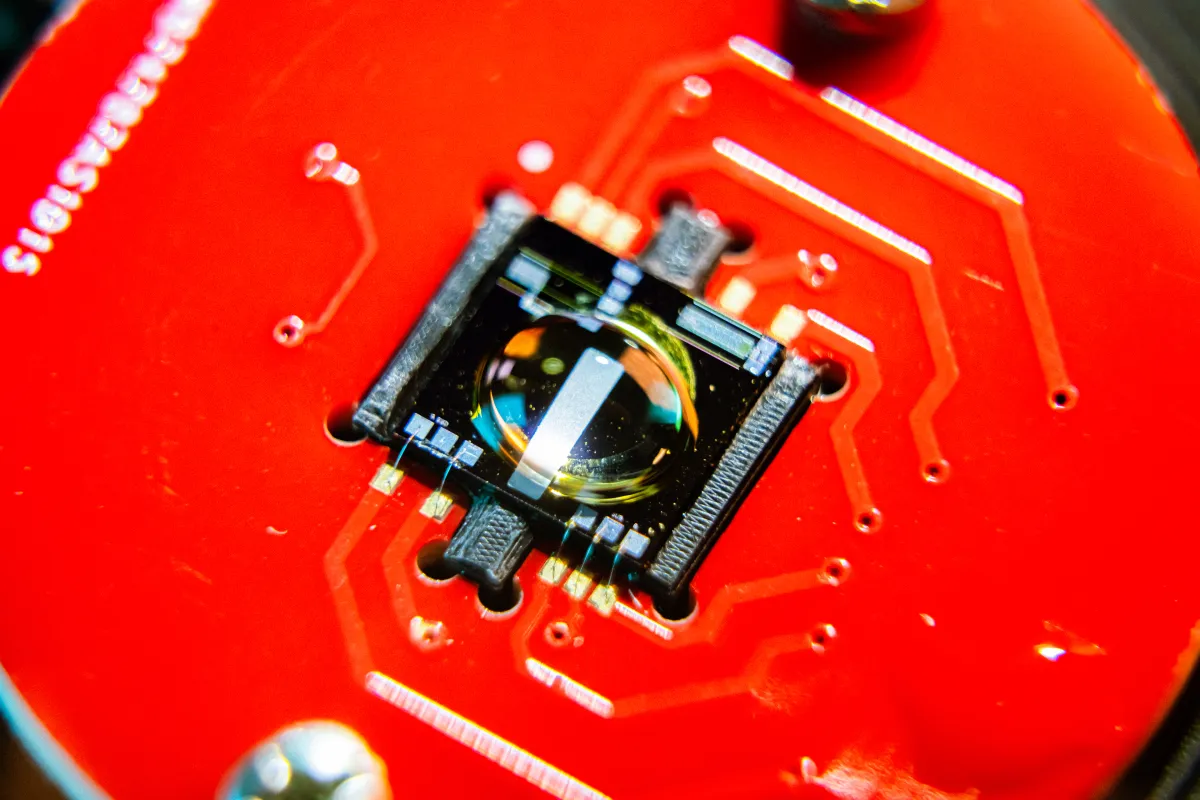
Omen AI’s Strategic Move into Liquid‑Tech
Omen AI, a startup founded in 2024 to bring real‑time monitoring to data‑center cooling systems, announced a $16 million cash‑and‑stock acquisition of rival Aquatic Labs. The deal follows Omen’s recent $31 million Series A round and aims to combine two complementary sensor platforms—Omen’s element‑detection sensors and Aquatic Labs’ alkalinity‑focused technology—into a single, richer fluid‑analysis solution.
---
Why Water Monitoring Matters for AI Infrastructure
U.S. data centers consume 17‑19 billion gallons of water annually to keep high‑density chips cool, a figure projected to triple within five years. Traditional monitoring relies on manual sampling and multi‑day lab analysis, creating delays that can force operators to dump cooling water and shut down expensive hardware. Real‑time sensors promise three key benefits:
- Extended fluid life – early detection of valve failures or bacterial growth lets operators treat water instead of discarding it.
- Reduced downtime – continuous data enables rapid corrective action, preserving uptime for multi‑hundred‑megawatt installations.
- Environmental stewardship – better control over water quality reduces the impact on municipal water systems.
By automating what has been a slow, manual process, Omen AI positions itself at the nexus of cost savings, sustainability, and reliability for the burgeoning AI compute market.
---
The Complementary Technologies
- Omen AI’s sensors focus on detecting specific elements (e.g., metals, contaminants) that indicate wear or corrosion in cooling loops.
- Aquatic Labs’ sensors measure alkalinity and related chemical balances, providing a broader picture of water health.
Integrating these capabilities into a single probe creates a multivariate data stream that can feed advanced AI models for predictive maintenance. The combined sensor is slated for a market launch early next year, with initial deployments targeting chips drawing 250‑300 MW of power—an addressable market worth $5‑7 billion this year alone.
---
Leadership Synergy and Market Outlook
The acquisition also unites two distinct founder archetypes:
- Zach Laberge, Omen’s founder, a high‑school dropout turned entrepreneur who previously built fluid‑analysis tools for heavy‑equipment hydraulics.
- Allan Adams, Aquatic Labs’ CEO and now Chief Science Officer, a former MIT professor and Woods Hole researcher with deep expertise in oceanic sensing.
Their combined experience bridges rapid‑startup execution with rigorous scientific methodology, a blend that could accelerate product integration and customer adoption.
Omen AI’s leadership remains confident despite recent volatility in hyperscaler stocks. Laberge notes that their customers are already financing projects, meaning the company’s revenue pipeline is insulated from short‑term sentiment swings. The firm targets 1 GW of AI‑chip cooling capacity by the end of 2027, a scale that could translate into significant recurring revenue from sensor subscriptions and data‑analytics services.
---
Practical Takeaways for Stakeholders
- Data‑center operators should evaluate real‑time fluid monitoring as a cost‑avoidance tool, especially as water‑use regulations tighten.
- Investors may view Omen’s acquisition as a de‑risking move, adding differentiated IP that can command premium pricing.
- Environmental regulators could see improved compliance metrics as operators adopt continuous monitoring, reducing uncontrolled water discharge.
The convergence of AI compute demand and water‑resource constraints makes Omen AI’s expanded sensor suite a timely solution. As the industry scales, the ability to measure, predict, and act on cooling‑fluid health will likely become a standard component of data‑center infrastructure.
---
The acquisition underscores how niche sensor innovations can unlock broader efficiencies in the AI hardware ecosystem, turning a traditionally overlooked utility—water—into a strategic asset.
Source
Read original sourceWhy we picked this
Acquisition of an AI startup, relevant funding/industry news