Nothing teases a screen-free AI device ahead of launch next month
Nothing is set to launch its first screen‑free AI device next month, hinting at a new form factor that could reshape consumer AI accessories.
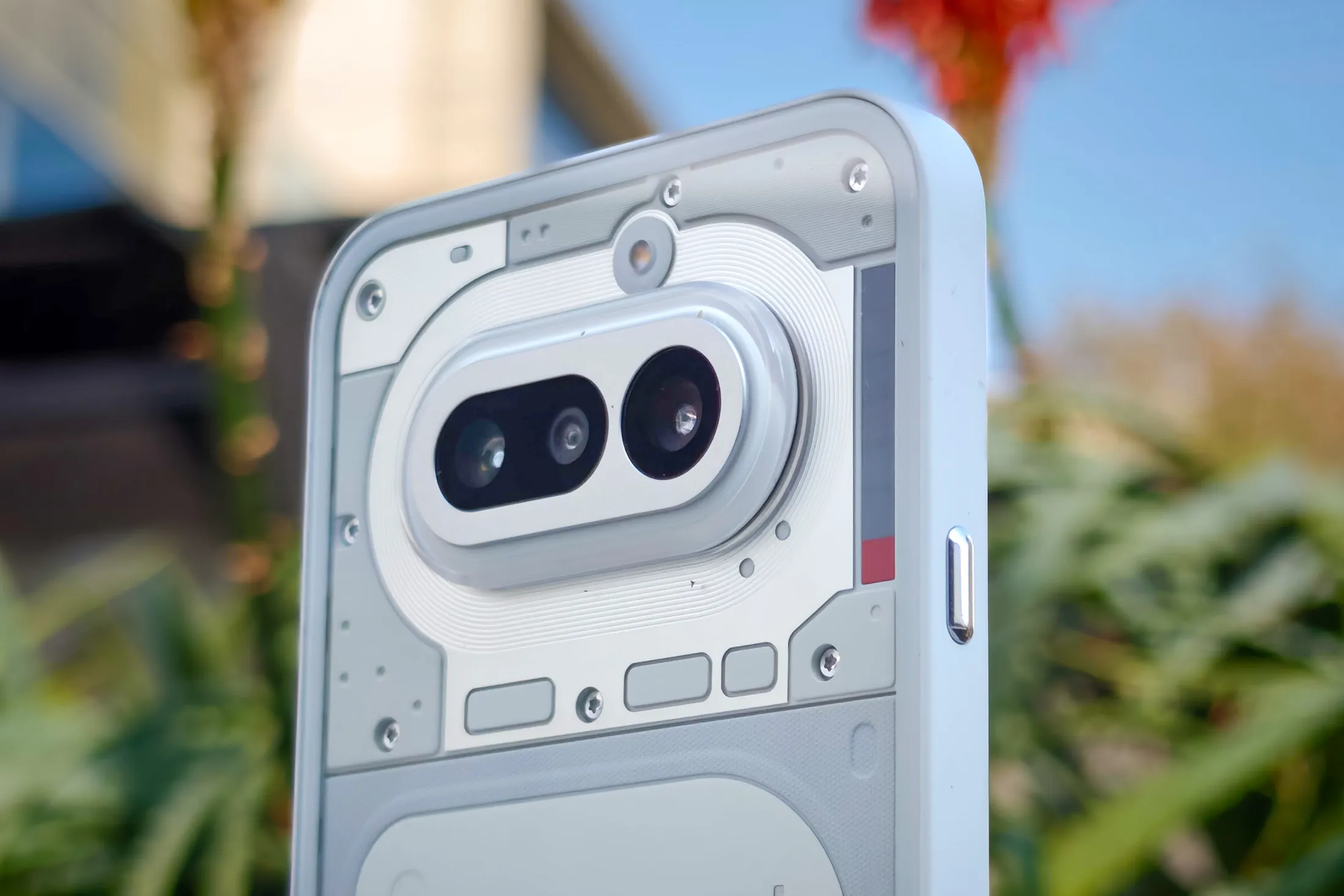
Nothing’s First Screen‑Free AI Device: What We Know So Far
Nothing’s CEO Carl Pei announced on X that the company will ship its inaugural “AI‑native” product in December, just over a year after unveiling plans for an AI‑focused operating system. The tease was deliberately sparse: the device has no screen and “couldn’t have been an app.” An image accompanying the post displayed the trademarked “NOTHING®” logo beside a vague black, rounded‑corner shape, fueling speculation about a new class of AI accessory.
---
A Shift Toward AI‑First Hardware
Pei’s announcement signals a strategic pivot for Nothing, which has previously built its brand around minimalist smartphones and earbuds. The company’s recent rumors suggested two pairs of AI smart glasses—one camera‑free—and a broader repositioning as an “AI‑first” firm. The upcoming product appears to be the first tangible outcome of that shift, moving beyond traditional screens to embed artificial intelligence directly into a physical form factor.
The move aligns with a broader industry trend. Over the past few years, several startups have experimented with screen‑free AI gadgets, such as the Humane AI Pin, the Friend wearable, and even AI‑enabled plush toys. While none have achieved mainstream adoption, they illustrate a growing appetite for AI that integrates seamlessly into daily life without the constraints of a display.
---
What the Device Might Be
Although Nothing has not disclosed specifics, the clues suggest a compact, possibly wearable or tabletop accessory that relies on voice interaction and ambient sensing. Pei’s comment that the product “is a tool, but one built with the personality and care that have come to define a Nothing product” hints at a design ethos focused on simplicity and user‑centric interaction.
Potential use cases could include:
- Voice‑first assistance for tasks like reminders, music control, and smart‑home commands.
- Context‑aware notifications that surface information based on location or activity without a visual interface.
- Integration with Nothing’s existing ecosystem, such as syncing with its earbuds or future AI‑enabled wearables.
The lack of a screen may also reduce power consumption, allowing for longer battery life—a key advantage for always‑on AI assistants.
---
Industry Implications
Pei’s remarks about the “iPhone moment” for AI underscore the challenge of finding a breakthrough form factor. He noted that the industry is chasing pendants, pins, glasses, and companions, but warned that “looking for the iPhone of AI today is a dead end.” By launching a screen‑free device, Nothing is essentially testing a hypothesis: that AI can become a subtle, background presence rather than a centerpiece.
If successful, the product could:
- Validate the screen‑free approach, encouraging other manufacturers to explore minimalist AI hardware.
- Accelerate the adoption of AI‑native operating systems, as developers create experiences optimized for voice and sensor input.
- Shift consumer expectations, making AI assistants feel less like apps and more like integrated tools.
---
What to Watch for at Launch
The December unveiling will likely reveal:
- Physical design details: size, material, and any tactile controls.
- Interaction model: wake word, gesture support, and integration with existing smart‑home platforms.
- Pricing and availability: whether the device will be positioned as a premium accessory or a more affordable entry point into AI.
- Software ecosystem: the extent of third‑party developer support and whether Nothing will open the platform for external AI services.
---
Bottom Line
Nothing’s upcoming screen‑free AI device marks a bold experiment in the evolving landscape of consumer AI. By forgoing a display, the company is betting on voice and context to deliver value, potentially carving out a new niche for AI accessories. The December launch will be a litmus test for whether minimalist, screen‑free designs can capture mainstream interest and set the stage for the next wave of AI‑native hardware.
Source
Read original sourceWhy we picked this
Announcement of a new AI-native device, relevant but speculative