Nobody is safe from celebrity AI deepfakes
Celebrity AI deepfakes are flooding social media, exposing gaps in platform policies, legal safeguards, and public awareness.
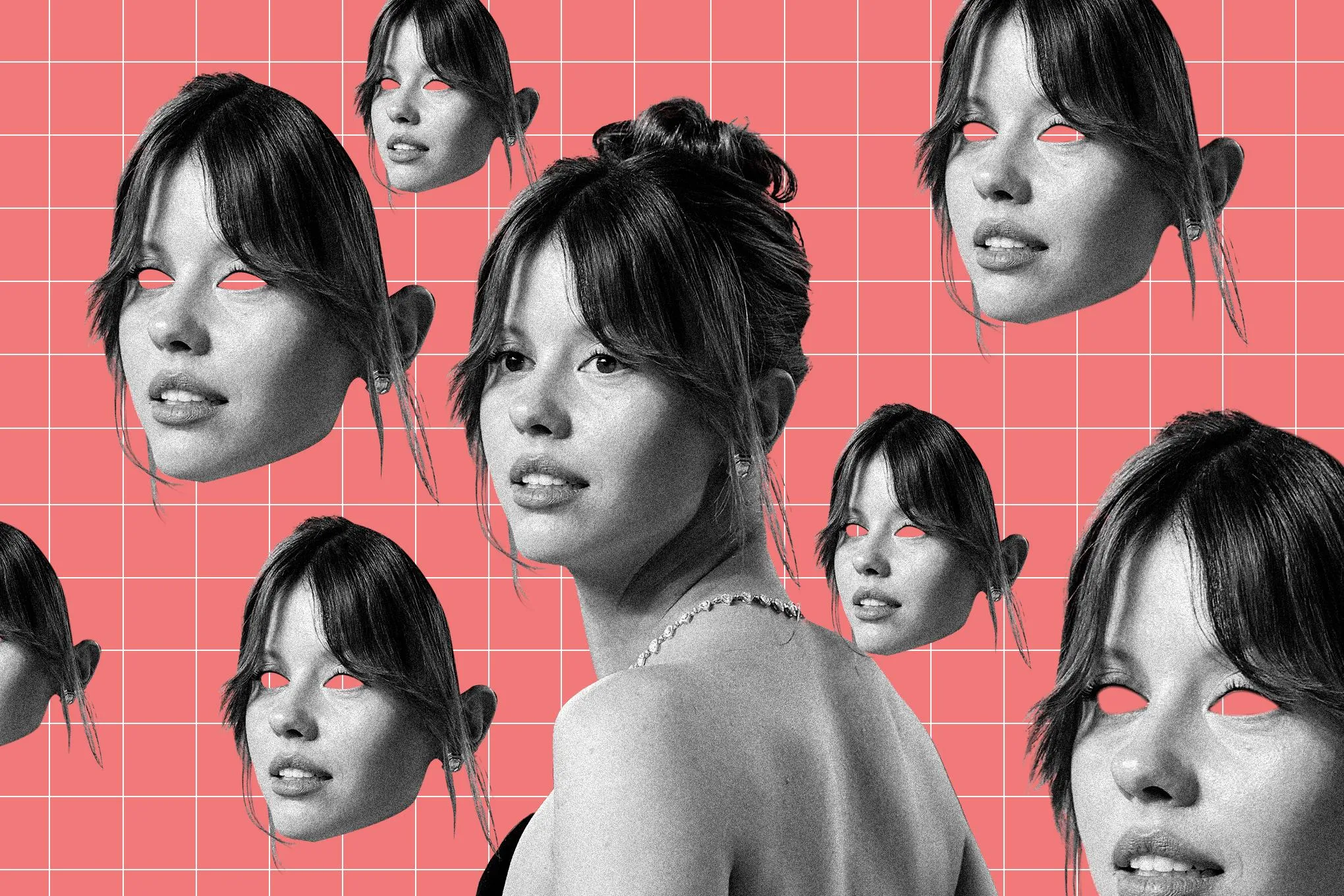
The Rise of Celebrity AI Deepfakes
Artificial‑intelligence tools that can generate realistic photos, videos, and even voices have moved from novelty experiments to a full‑blown content ecosystem. Celebrities—actors, musicians, athletes—are now the most common subjects of these synthetic creations, and the result is a flood of deepfakes that garner millions of views before any takedown request can be processed. The phenomenon highlights three intertwined problems: platform enforcement that lags behind the technology, a patchwork of legal protections that often fails to keep pace, and a public that struggles to distinguish fact from fabricated media.
---
1. How Deepfakes Spread on Social Platforms
Most of the viral celebrity deepfakes appear on Instagram, TikTok, and Facebook, where algorithmic feeds reward eye‑catching visuals. A single AI‑generated image of actress Mia Goth wearing a provocative "My ex is my biggest fan" T‑shirt amassed nearly half a million likes within days, despite being posted by a fan account that had purchased a verified blue checkmark. The post’s reach was amplified by gossip sites, Google search snippets, and user comments that treated the image as genuine.
Platforms differ in how they label synthetic media. Meta requires an "AI‑generated" label on videos and audio but exempts still images, meaning the Goth picture never needed a disclosure. Instagram does remove accounts that impersonate public figures, but the removal process is reactive and often too slow to prevent the initial wave of virality. TikTok and YouTube have introduced more proactive detection tools—YouTube’s likeness‑detection system, for example, scans for visual and audio matches and processes takedown requests from creators and rights holders. In the first half of 2026, YouTube reported removing over 95 % of reported deepfakes, yet the sheer volume of content means many pieces slip through.
---
2. Legal Gaps and Emerging Regulations
In the United States, the Take It Down Act (2025) criminalizes the distribution of non‑consensual intimate imagery, including AI‑generated porn, and forces platforms to act within 48 hours of a valid request. However, the law does not cover non‑sexual deepfakes that merely misrepresent a celebrity’s actions or statements. Internationally, right‑of‑publicity statutes vary widely, and many jurisdictions lack any explicit protection for AI‑generated likenesses.
High‑profile cases illustrate the legal limbo. Scarlett Johansson’s team sent a cease‑and‑desist to OpenAI after a voice model that sounded like her was released without consent. The company later removed the model, but the incident underscored the difficulty of enforcing consent when the technology can be replicated by anyone with a consumer‑grade tool. Similarly, Drake‑style AI songs and AI‑generated videos of Taylor Swift endorsing political candidates have been taken down after public outcry, yet the takedown mechanisms rely on the celebrity’s willingness and ability to pursue legal action.
---
3. The Business of Fake Fame
A cottage industry has sprung up around celebrity deepfakes. Some accounts monetize by selling subscriptions to AI‑generated content, advertising adult material, or offering tutorials on how to create similar media. Others simply generate endless streams of synthetic clips—AI‑Swift rapping, AI‑Messi celebrating, AI‑Jobs toasting champagne—because the algorithms reward high‑engagement, eye‑catching loops.
These accounts often blur the line between parody and exploitation. While some users argue that AI‑generated celebrity content is a form of artistic expression, the lack of clear labeling and the prevalence of sexualized imagery—especially of female public figures—raise ethical concerns. The commercial incentive to push more sensational deepfakes can outweigh platform incentives to police them, creating a feedback loop that fuels further proliferation.
---
4. What Can Be Done?
Platform responsibility: Social networks should extend AI‑labeling requirements to still images and enforce verification standards that prevent purchased blue checkmarks from being used by impersonators. Automated detection tools, similar to YouTube’s likeness system, need to be deployed across all major platforms.
Legislative clarity: Lawmakers must expand existing statutes to cover non‑consensual deepfakes that misrepresent a person’s speech or actions, not just intimate content. Clear, enforceable penalties would give rights holders a stronger deterrent.
Public literacy: Media‑literacy campaigns should teach users how to spot synthetic media—checking for platform labels, reverse‑image searching, and scrutinizing source accounts. Fact‑checking organizations can play a larger role by flagging viral deepfakes quickly.
---
Closing Thoughts
Celebrity AI deepfakes are no longer isolated curiosities; they are a growing segment of the online content ecosystem that exploits the trust users place in familiar faces. The current patchwork of platform policies, legal frameworks, and public awareness is insufficient to contain the spread. A coordinated effort—combining stricter platform enforcement, clearer legal protections, and better digital‑media education—will be essential to protect both the reputations of public figures and the integrity of the information landscape.
Source
Read original sourceWhy we picked this
Covers AI deepfakes of celebrities, a significant AI safety and misuse topic