No, AI agents did not discover a previously unknown Maya site
AI agents flagged a known Maya site as new, highlighting the pitfalls of amateur AI‑driven “discoveries” without proper scholarly vetting.
Introduction
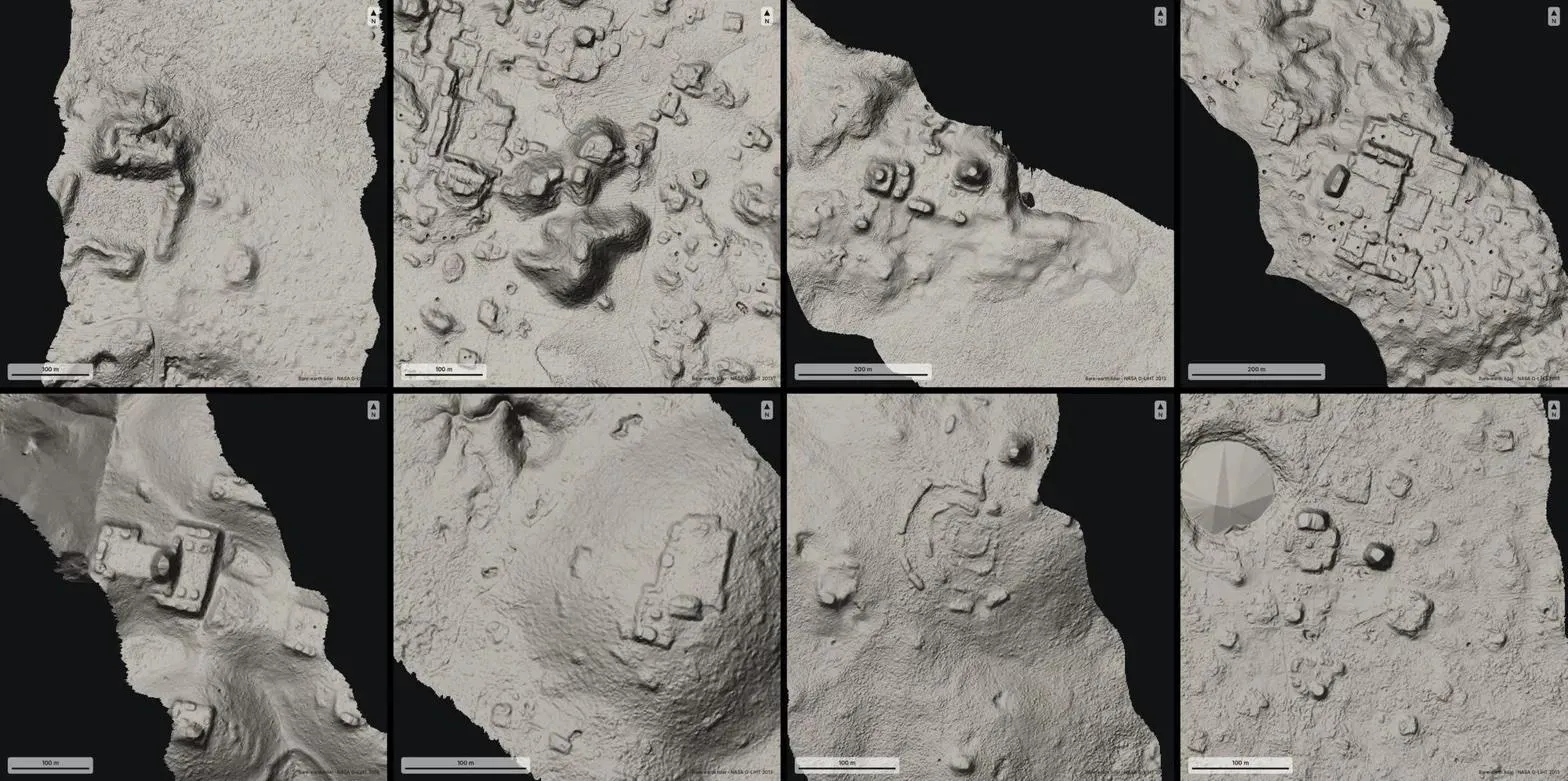
A recent episode in which a Google researcher used a swarm of AI agents to scan NASA lidar data and announced the discovery of a "previously unknown" Maya village turned out to be a false alarm. The site had already been documented in an academic journal, and the incident sparked a heated debate among archaeologists about the role of amateurs and AI in scientific research.
Why the AI "discovery" missed the mark
- Data versus context: The agents were excellent at spotting geometric patterns in the lidar point clouds, but they lacked the contextual knowledge to cross‑reference those patterns with existing literature, unpublished reports, or the tacit knowledge held by local scholars.
- Limited verification pipeline: The researcher relied on a quick email exchange with Mexico’s National Institute of Anthropology and History (INAH), which does not maintain a comprehensive catalogue of every surveyed feature. Without a systematic literature review, the claim slipped through.
- Human expertise remains essential: Archaeologists have been using lidar and other remote‑sensing tools for years. Interpreting the subtle signatures of ancient architecture requires field experience, comparative site analysis, and an understanding of regional settlement patterns—skills that current AI agents do not possess.
Lessons for the scientific community
- Integrate AI into established workflows: Rather than positioning AI as a standalone discoverer, researchers should treat it as a rapid triage tool that flags candidates for expert review. Collaborative projects that pair AI engineers with domain specialists can harness speed while preserving rigor.
- Prioritize thorough literature checks: Any AI‑generated hypothesis must be vetted against peer‑reviewed publications, conference proceedings, and gray literature. Automated citation‑matching services can help, but human oversight is still required.
- Respect local and indigenous knowledge: Communities living near archaeological landscapes often know of sites long before they appear in formal databases. Engaging these stakeholders early can prevent mis‑attribution and protect cultural heritage.
- Guard against sensationalism: Media coverage that amplifies unverified AI claims can erode public trust in both archaeology and AI. Researchers should temper headlines with clear statements about the provisional nature of AI‑driven findings.
Moving forward: A balanced approach
The Maya lidar episode underscores a broader tension: AI offers unprecedented capacity to process massive datasets, yet it cannot replace the nuanced judgment of trained scholars. A productive path forward involves:
- Co‑designing tools with archaeologists to embed domain‑specific heuristics into AI models.
- Creating open repositories of vetted site data that include metadata on discovery provenance, enabling AI to cross‑check more effectively.
- Establishing ethical guidelines for publishing coordinates of vulnerable sites, thereby reducing the risk of looting.
Conclusion
AI agents can accelerate the identification of promising archaeological features, but without rigorous scholarly vetting they risk repeating known work and spreading misinformation. The Maya case serves as a cautionary tale: technology must augment, not supplant, the expertise that underpins scientific discovery. By fostering collaboration, emphasizing verification, and respecting existing knowledge, the research community can harness AI’s power responsibly and avoid the pitfalls of premature “discoveries.”
Source
Read original sourceWhy we picked this
Relevant discussion of AI agents and their limitations