Nirva raises $33M for a pendant that only listens to you
Nirva’s $33 M raise funds a lightweight, fashion‑forward pendant that passively listens only to its wearer and turns speech into personal insights.
Introduction
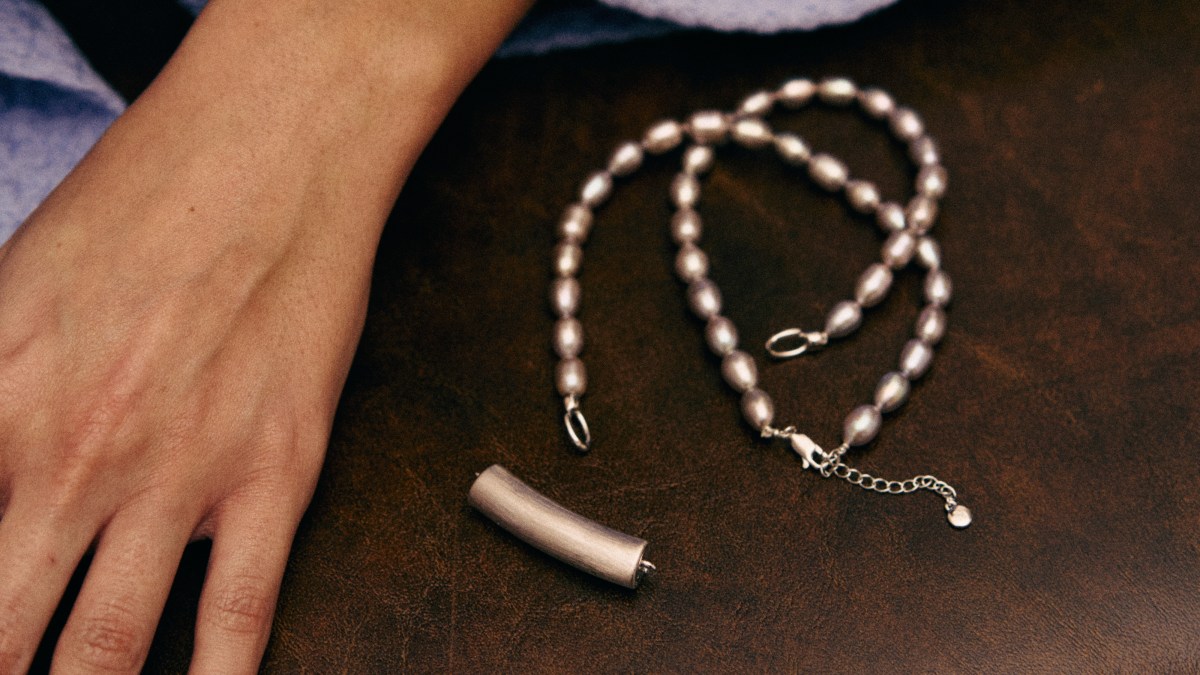
Nirva, a startup founded in 2025 by former Meta Reality Labs engineers Wei Lyu and Jason Chen together with fashion entrepreneur Hanying Hu, has closed a $33 million funding round (a $25 million pre‑Series A plus an earlier $8 million seed). The capital will bring to market its first product: a discreet, eight‑gram pendant that can also be worn as a bracelet. Designed as a piece of jewelry rather than a conventional voice assistant, the device continuously listens to the wearer’s speech, extracts personal insights, and respects privacy by filtering out surrounding conversations.
How the pendant works
The pendant houses a tiny microphone array and on‑device processing chip that stays active all day. During onboarding, users record short voice snippets; these samples train a personal model that recognizes the wearer’s voice and discards audio from anyone else. When the device captures speech, it extracts acoustic features—tone, pitch, volume, and speed—without storing raw recordings. The processed data is then sent to Nirva’s companion app, where it is turned into actionable insights such as:
- Reminders of missed social gestures (e.g., a thank‑you note to a family member)
- Mood and communication‑style summaries based on vocal cues
- Contextual cues about frequent contacts and locations
The app presents these insights as gentle nudges, aiming to improve self‑understanding, self‑compassion, and self‑awareness. By default, Nirva does not retain any audio or transcript after analysis, positioning the company as a personal‑insights platform rather than a productivity recorder.
Design and user experience
Weighing roughly eight grams, the pendant is light enough for all‑day wear and offers a three‑day battery life on a single charge. It will be sold for $249 in four finishes—silver, brushed silver, black, and gold—and will be available for pre‑order in November with shipments slated for the end of the year. The design philosophy emphasizes fashion integration: the device looks like a piece of jewelry, not a tech gadget, and can double as a bracelet for users who prefer wrist wear.
Market context and competition
Nirva enters a growing niche of ambient AI wearables that blend style with voice‑enabled functionality. Competitors include:
- Taya – an intelligent jewelry line from former Apple staff
- Friend and Bee – startups building companion gadgets with similar voice‑capture capabilities
- Ray‑Ban Meta – smart glasses that have sparked privacy concerns due to outward‑facing cameras
Nirva differentiates itself by focusing exclusively on the wearer’s voice, employing on‑device filtering to avoid recording bystanders, and emphasizing personal growth insights over task‑oriented note‑taking.
Outlook
With backing from Lightspeed, South Park Commons, and other investors, Nirva is positioned to iterate quickly on its hardware and expand its software ecosystem. Early adopters will likely be tech‑savvy consumers who value privacy and want a subtle, fashion‑forward way to capture personal reflections. If the pendant’s insights prove useful and the privacy model holds up under scrutiny, Nirva could set a benchmark for how ambient AI devices integrate into daily life without compromising the comfort of those around the wearer.
--- This article is based on the editorial brief provided and does not contain invented quotations or external data.
Source
Read original sourceWhy we picked this
Reports funding for an AI-enabled consumer pendant, notable use case.