Nikon microscopic video competition winner disqualified for using generative AI
Nikon disqualified the Small World in Motion contest winner after the entry used generative AI, prompting a rule review.
Introduction
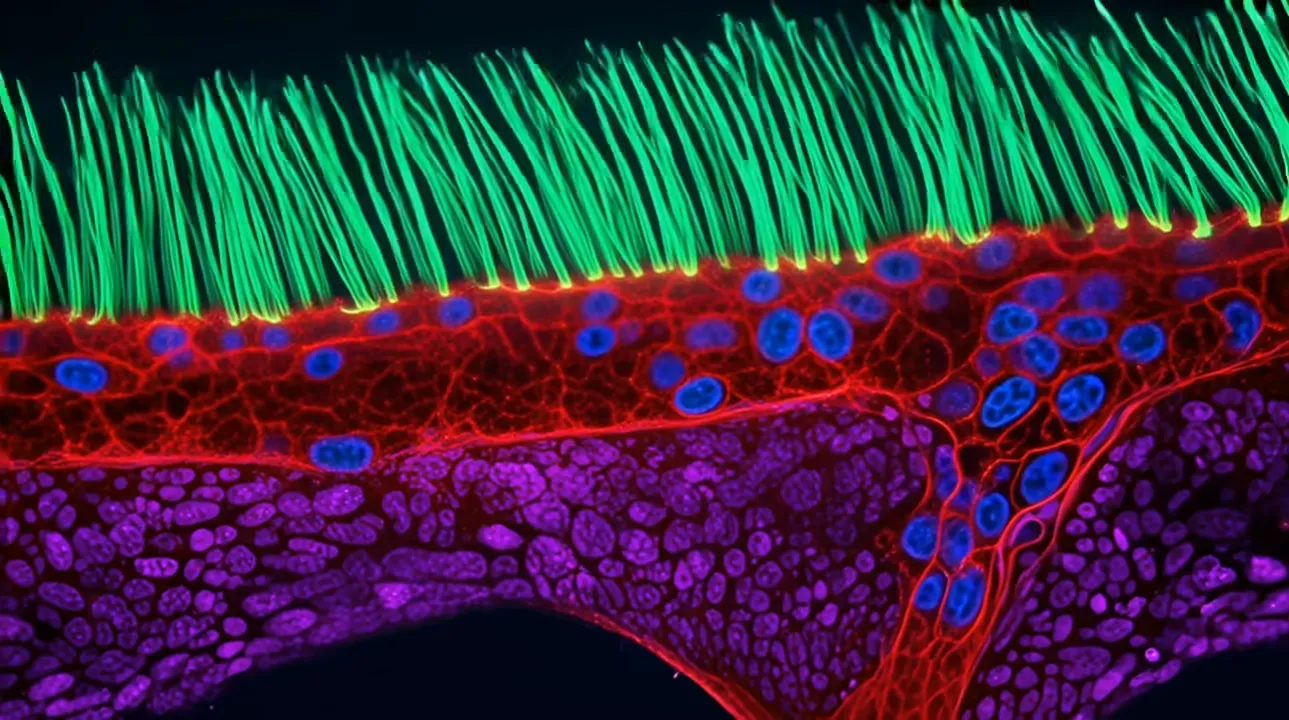
Nikon’s Small World in Motion microscopic video competition, which showcases cutting‑edge imaging of tiny biological structures, faced a controversy when the original first‑place entry was found to have employed generative AI in post‑processing. The winner, Dr. Ning Xu, admitted to using an unsupervised neural‑network method to enhance the visualisation of cilia in a child’s airway. Nikon responded by disqualifying the video, removing it from its site, and announcing a review of competition rules.
Why the Disqualification Matters
The disqualification underscores a growing tension between scientific imaging and AI‑driven enhancement. While AI can reveal details hidden in noisy data, competition guidelines explicitly prohibited generative AI that could alter the scientific integrity of the footage. Nikon’s statement clarified that the decision was not a judgment on Dr. Xu’s professional reputation, but rather a compliance issue. The episode highlights the need for clear, enforceable standards when AI tools intersect with research‑focused visual media.
Implications for Researchers and Creators
- Transparency Is Essential – Researchers must disclose any AI‑assisted steps in image processing, especially when the output is presented as raw scientific evidence.
- Defining Acceptable Use – The line between legitimate enhancement (e.g., noise reduction) and generative alteration remains blurry. Competitions and journals will likely develop more granular criteria to differentiate the two.
- Reputation Management – Even when intent is benign, undisclosed AI use can damage credibility. Dr. Xu’s public acknowledgment mitigated some fallout, but the incident serves as a cautionary tale for others.
Nikon’s Next Steps and Industry Response
Nikon announced that it will revisit its competition rules and evaluation procedures. Expected updates may include:
- A detailed list of permissible software and processing techniques.
- Mandatory AI‑use disclosures in submission forms.
- A review panel with expertise in both microscopy and AI ethics.
The broader scientific community is watching closely, as similar contests and journal submission guidelines may adopt Nikon’s forthcoming framework. The incident also fuels ongoing debates about AI’s role in scientific visualization, prompting calls for industry‑wide best‑practice documents.
Practical Takeaways
- Document Every Processing Step: Keep a reproducible workflow log that notes any AI models, parameters, or training data used.
- Seek Peer Review Early: Share preliminary processed images with collaborators to gauge whether enhancements remain scientifically valid.
- Stay Informed on Policy Changes: Follow updates from competition organisers, journals, and professional societies regarding AI‑related image standards.
Conclusion
The Nikon disqualification illustrates how generative AI, while powerful, can clash with expectations of authenticity in scientific imaging. By tightening rules and encouraging transparency, Nikon aims to preserve the integrity of its competition and set a precedent for responsible AI use in research. Creators and researchers should treat this as a prompt to adopt clearer documentation practices and stay ahead of evolving guidelines.
Source
Read original sourceWhy we picked this
Generative AI usage in a competition highlights AI's role in creative fields.