Muse has a voice mode now
Meta’s Muse AI now supports real‑time voice conversations and expressive animated avatars, initially rolling out in the US iOS app.
Muse Gets a Voice: What the New Mode Means for AI Chat
Meta has added a voice‑enabled mode to its Muse AI agent, letting users talk to the chatbot as naturally as they would a human assistant. The feature, announced by CEO Mark Zuckerberg and already live for a handful of iOS users, pairs spoken dialogue with animated avatars that move in sync with the spoken words. Below we break down how the mode works, what the experience feels like, and where the rollout is headed.
Talking to Muse – How It Works
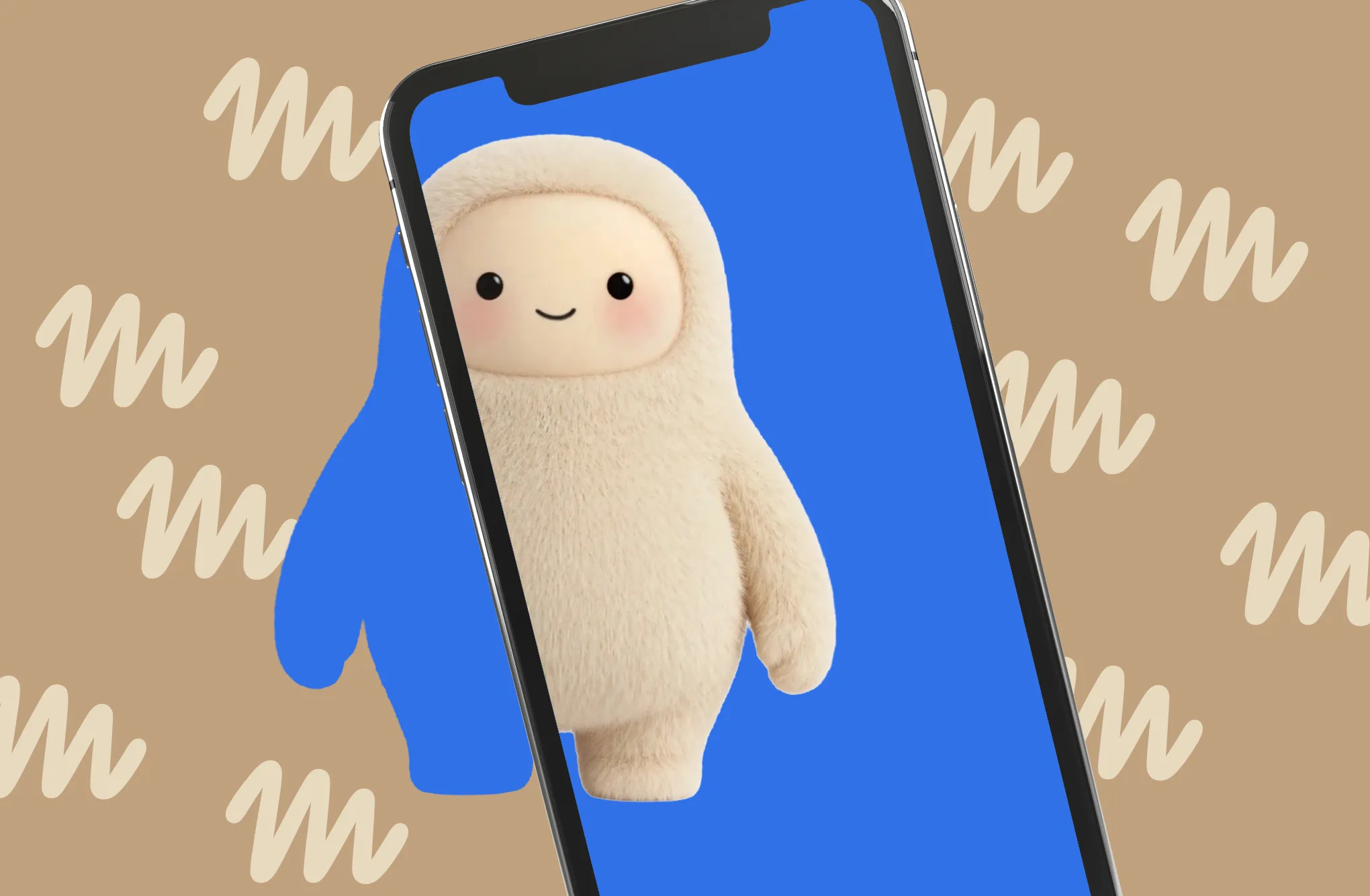
When you open the Muse app and start a conversation, you can now tap a microphone icon and speak your query. The AI processes the audio in real time, generating a spoken response that is streamed back to you. At the top of the chat window, an avatar—chosen from a library of expressive characters—animates its mouth and facial expressions to match the voice output. Users can change the tone of the voice by either asking Muse to adjust it or by browsing the avatar settings, which include a range of vocal styles.
In early testing, the voice responses were quick, with only brief pauses when Muse fetched information. The animation is smooth, though some users may find the uncanny valley effect noticeable, especially when the avatar is set to a realistic likeness such as a digital version of Mark Zuckerberg.
Customising the Experience
Muse offers a modest set of personalization options:
- Avatar selection – Choose from cartoon‑style characters, stylized humans, or a digital facsimile of public figures. The avatar’s facial movements are synced to the speech, giving the impression of a live conversation.
- Voice tone – Users can request a different tone (e.g., friendly, formal) or manually select from preset voice profiles. The system adapts the speech synthesis accordingly.
- Device integration – While the voice mode is currently limited to the iOS app in the United States, Meta says it will soon appear on its upcoming Muse Charm gadget and on Meta’s AI glasses.
Practical Uses and Limitations
The voice mode opens up several practical scenarios:
- Hands‑free queries – Ask Muse for quick facts, reminders, or navigation instructions without needing to type.
- Accessibility – Users with motor impairments can interact more easily through speech.
- Conversational immersion – The animated avatar adds a visual cue that can make interactions feel more personable.
However, there are a few caveats to keep in mind:
- Latency on complex queries – When Muse needs to look up detailed information, a short pause may occur, similar to the delay seen in text‑based chats.
- Voice realism – The synthetic voices are clear but not yet indistinguishable from a human speaker; they may sound slightly robotic.
- Avatar realism – Highly realistic avatars can feel odd, especially when they attempt to mimic a real person’s likeness.
What’s Next for Muse Voice?
Meta’s rollout plan appears phased. The voice mode is live for a limited set of iOS users in the U.S., with broader availability expected later in the year. Future expansions include:
- AI glasses – Voice‑enabled Muse will be integrated into Meta’s upcoming mixed‑reality eyewear, allowing hands‑free interaction in a heads‑up display.
- Muse Charm gadget – A dedicated hardware device slated for release this year will also support voice conversations.
- Cross‑platform support – Android and desktop versions are likely on the roadmap, though no timeline has been announced.
As the feature matures, we can anticipate improvements in voice naturalness, avatar realism, and contextual awareness. For now, the addition of spoken dialogue marks a significant step toward more fluid human‑AI interaction, positioning Muse as a competitor to other voice‑first assistants while retaining its distinctive visual avatar experience.
---
Meta’s Muse voice mode is currently available in the United States on iOS. Availability on other platforms and regions will be announced by the company in the coming months.
Source
Read original sourceWhy we picked this
Launch of voice mode for Meta's Muse AI agent, core feature update