Microsoft is ending Copilot support on smart TVs
Microsoft is discontinuing Copilot support on LG and Samsung smart TVs in 2026, ending the AI assistant’s on‑screen features.
Introduction
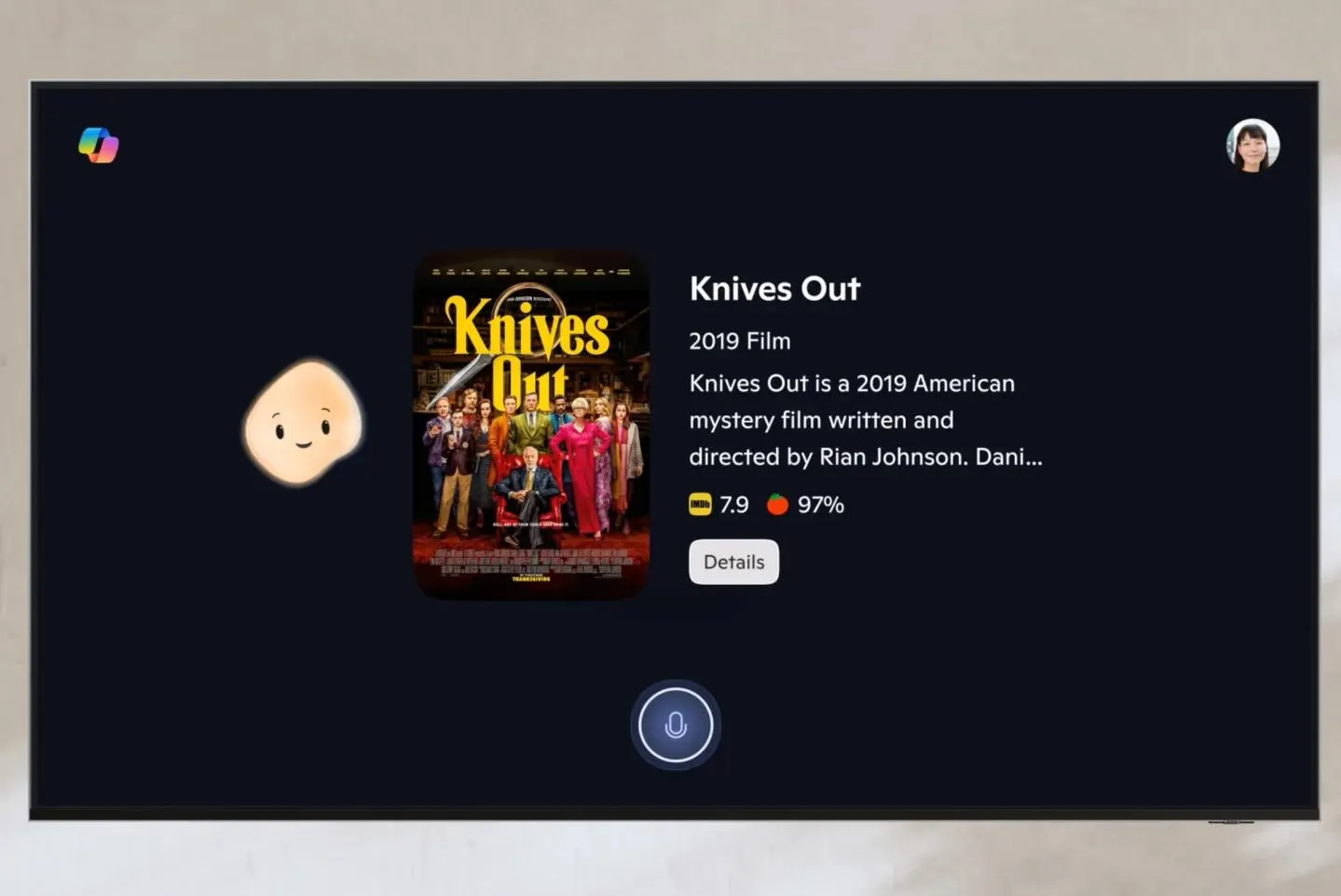
Microsoft’s AI‑powered Copilot, once a headline feature on the latest LG and Samsung smart TVs, is being phased out. A notification that appeared on a webOS‑based LG TV confirmed that the company will stop supporting the Copilot functionality on all televisions sometime in 2026. The decision reflects Microsoft’s broader shift toward positioning Copilot as a productivity‑focused tool rather than a consumer‑level digital companion.
Why the Change Matters
The removal of Copilot from smart TVs signals a strategic pivot for Microsoft. When the feature debuted at CES 2025, it promised a conversational AI that could answer questions about what was on screen, suggest content, and even control basic TV functions. For users, it added a layer of interactivity that blended the living‑room experience with the capabilities of a large‑language model. However, Microsoft’s recent rollout of a unified "Copilot super app"—a single interface that bundles chat, agents, and coding tools—suggests the company is consolidating its AI investments around business and productivity scenarios. By ending support on TVs, Microsoft can streamline development resources and avoid maintaining a fragmented set of experiences across disparate hardware platforms.
Impact on LG and Samsung Users
Immediate Effects
- Feature Deactivation: The on‑screen Copilot shortcut will disappear, and any active chat sessions will cease functioning.
- No Immediate Replacement: Neither LG nor Samsung has announced a direct replacement, leaving a gap for users who relied on the AI for content recommendations.
Longer‑Term Considerations
- User Experience: Owners who integrated Copilot into their daily viewing habits may need to revert to traditional remote‑control navigation or third‑party voice assistants.
- Software Updates: Future firmware updates from LG and Samsung are unlikely to include Copilot‑related patches, reducing the need for ongoing maintenance.
- Potential Alternatives: Both manufacturers could explore partnerships with other AI providers, but any new solution would likely arrive after the current Copilot deprecation timeline.
The Bigger Picture for Smart‑TV AI
Microsoft’s retreat from the TV space is part of a larger industry trend where AI assistants are being re‑evaluated for their value on large‑screen devices. While voice assistants like Amazon Alexa and Google Assistant remain entrenched, the more conversational, context‑aware models that Copilot offered have struggled to find a clear use case beyond novelty. The shift also underscores the challenges of integrating cloud‑based AI services with consumer hardware that has limited processing power and varying update cycles.
What Consumers Can Do Now
- Check for Updates: Ensure your TV’s firmware is up to date to receive any final patches before Copilot is disabled.
- Explore Alternatives: Consider enabling built‑in voice assistants (e.g., Alexa, Google Assistant) if you want AI‑driven control.
- Provide Feedback: Manufacturers often collect user input on feature removals; sharing your experience can influence future AI integrations.
- Stay Informed: Follow announcements from LG, Samsung, and Microsoft for any new AI initiatives that may replace Copilot.
Conclusion
The discontinuation of Microsoft Copilot on smart TVs marks the end of a brief experiment in bringing conversational AI to the living‑room. While the feature’s removal may disappoint early adopters, it aligns with Microsoft’s strategic focus on productivity‑centric AI solutions. For TV owners, the practical steps are simple: update firmware, explore existing voice assistants, and keep an eye on future announcements. As the AI landscape continues to evolve, the next wave of smart‑TV assistants will likely prioritize seamless integration with established ecosystems rather than standalone, experimental features.
Source
Read original sourceWhy we picked this
Product news about ending AI assistant Copilot on TVs