Meta and Apple team up to make Muse AI models run better on Macs
Meta and Apple have partnered to optimise the new Muse Spark Open model for Apple Silicon, enabling high‑performance on‑device AI on Mac Studios.
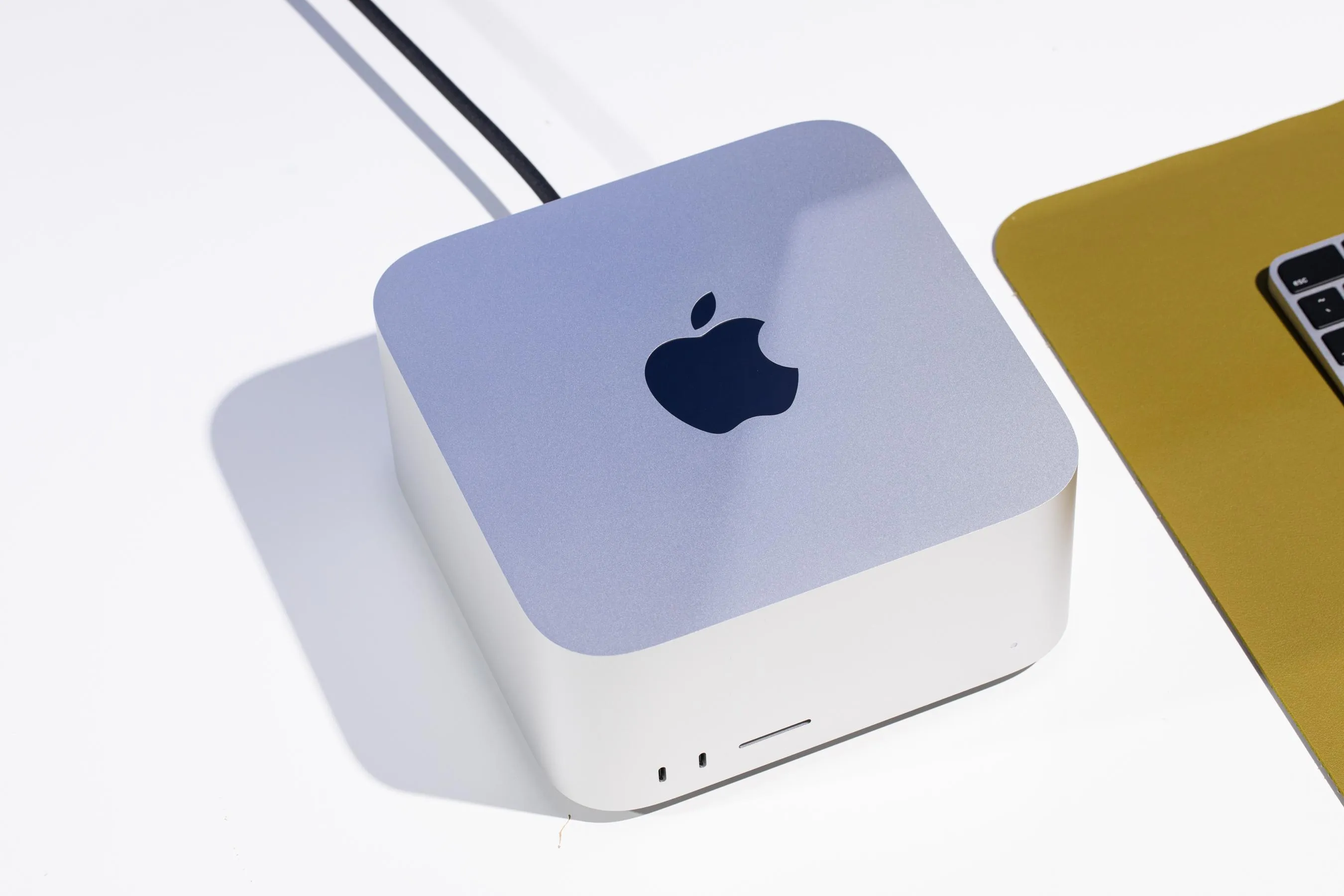
Meta‑Apple Collaboration on Muse AI for Macs
Meta’s latest open‑weight model, Muse Spark Open, is being fine‑tuned to run efficiently on Apple’s M5 Ultra‑powered Mac Studios. The partnership leverages Apple’s MLX array framework and Meta’s model architecture to deliver on‑device AI capabilities that were previously limited to large data‑center clusters.
Why Muse Spark Open Matters
Muse Spark Open is a multimodal model with a reported 816 billion parameters. Its design targets long‑horizon reasoning, complex software‑engineering tasks, and multi‑step problem solving. By making the model available as an open‑weight release, Meta aims to foster broader research and developer experimentation while showcasing the scalability of modern transformer‑based systems.
Apple’s Role: MLX and Silicon Optimisation
Apple’s contribution centers on the MLX framework, a low‑level array library built for Apple Silicon. MLX provides:
- Fine‑grained control over tensor placement across the M‑series GPU cores.
- Automatic mixed‑precision handling that reduces memory pressure without sacrificing accuracy.
- Integration with macOS’s security model, ensuring that on‑device inference respects user privacy.
Through close engineering collaboration, Apple’s hardware team has tuned the memory layout and kernel pipelines to accommodate Muse’s massive parameter set, allowing two M5 Ultra Mac Studios to run the model in real time for many workloads.
Practical Implications for Developers
- Local Inference for Sensitive Data – Teams can now process proprietary datasets on a Mac without sending information to the cloud, aligning with privacy‑first policies.
- Rapid Prototyping – The open‑weight release means developers can fine‑tune Muse on their own hardware, iterating faster than when relying on remote GPU farms.
- Cost Savings – Running large models on a workstation eliminates the need for expensive cloud compute credits for many research and development scenarios.
Looking Ahead
The Meta‑Apple effort signals a broader industry trend toward on‑device AI at scale. As Apple continues to enhance its silicon and software stack, we can expect more heavyweight models to become viable on consumer‑grade machines. For developers, the key takeaway is that the barrier between cutting‑edge AI research and everyday hardware is rapidly shrinking, opening new possibilities for applications ranging from advanced code assistants to multimodal content creation directly on the Mac.
---
This article provides an overview based on publicly announced details and does not contain proprietary or unverified information.
Source
Read original sourceWhy we picked this
Announces a new open-weight model and cross‑hardware optimization, core AI content