Maine’s data center revolt will decide who controls the Senate
Maine’s Senate race pits big‑tech‑funded data‑center promises against rural voters’ concerns over costs, jobs and environmental impact, with the outcome set to shape national AI policy.
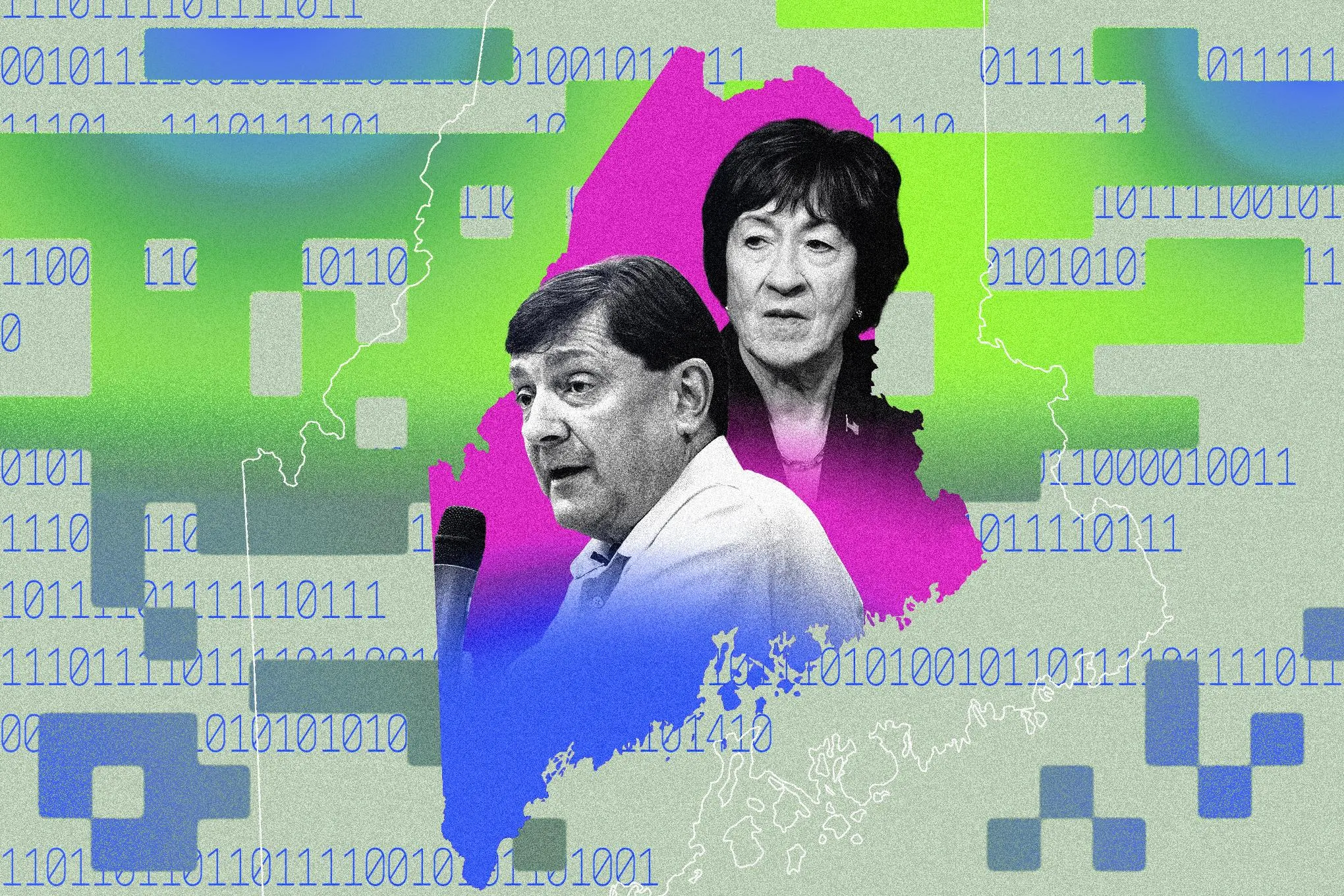
Introduction
Maine’s 2026 Senate contest has become a flashpoint for a broader national debate: how far should powerful tech interests be allowed to reshape rural economies with AI‑driven data centers? As billion‑dollar contributions from Silicon Valley and private‑equity firms flood the race, Mainers in small towns are pushing back, citing rising utility bills, scant job prospects, and environmental strain. The winner will not only decide which party controls the Senate but also influence federal policy on data‑center siting, AI infrastructure, and rural development.
The data‑center boom and Maine’s appeal
Maine’s abundant cheap land, vacant industrial sites, and plentiful water resources make it a magnet for data‑center developers seeking cheap power and cooling. Cities elsewhere are hitting capacity limits, while the state’s rivers and aging mills offer a seemingly ideal backdrop for the massive servers that power generative‑AI models. Tech giants and venture‑backed firms have responded with multimillion‑dollar advertising campaigns, promising long‑term jobs and economic revitalization for towns that have struggled since the decline of traditional industries such as timber and paper.
Rural backlash: costs, jobs, and transparency
Local residents, however, are skeptical. Surveys conducted by university researchers show that a strong majority—over three‑quarters—oppose new data‑center projects in their communities, with many citing fears of higher electricity rates and water usage. Economists note that, after construction, data centers typically employ only a handful of technicians, delivering little net employment compared with the promised “mill‑town” revival. Moreover, the ownership structures of many facilities remain opaque, raising concerns that profits will flow out of the region while the environmental and infrastructure burdens stay behind.
Political stakes and campaign financing
The Senate race has turned into the most expensive per‑capita contest in modern history. Both parties have attracted record contributions from AI‑related donors. The incumbent Republican, Senate Appropriations Committee Chair Susan Collins, has leveraged her committee position to secure federal funding for a high‑performance computing hub in central Maine, a move that has drawn sizable donations from tech CEOs, venture capitalists, and even billionaire philanthropists. Her opponent, Democrat Troy Jackson, while lacking direct data‑center backers, still benefits from a handful of wealthy contributors and frames his campaign around stricter guardrails for AI development and union‑backed jobs.
What the outcome means for national policy
If Collins retains her seat, the Senate will stay under Republican control, likely preserving a more permissive stance toward data‑center expansion and allowing continued federal incentives for AI infrastructure. Conversely, a Jackson victory would tip the chamber to the Democrats, potentially ushering in tougher environmental reviews, stronger consumer‑protection measures, and greater scrutiny of tech money in politics. Either scenario will set precedents that ripple far beyond Maine, influencing how other rural states negotiate the balance between attracting high‑tech investment and protecting local interests.
Closing thoughts
Maine’s Senate race encapsulates a clash of visions for America’s technological future: a top‑down model driven by powerful corporate capital versus a bottom‑up demand for accountable, community‑focused development. Voters are weighing immediate concerns—higher utility bills and uncertain job prospects—against the promise of being part of the AI economy. The result will not only decide who controls the Senate but also signal how the nation will manage the growing footprint of data centers in the era of generative AI.
Source
Read original sourceWhy we picked this
Political debate over AI data centers and climate impact