LitPivot: Developing research ideas through dynamic contextualization within the literature landscape
LitPivot lets researchers iteratively refine early‑stage ideas by linking each proposal facet to targeted literature critiques and revision suggestions.
LitPivot: Turning Literature Into a Live Research Partner
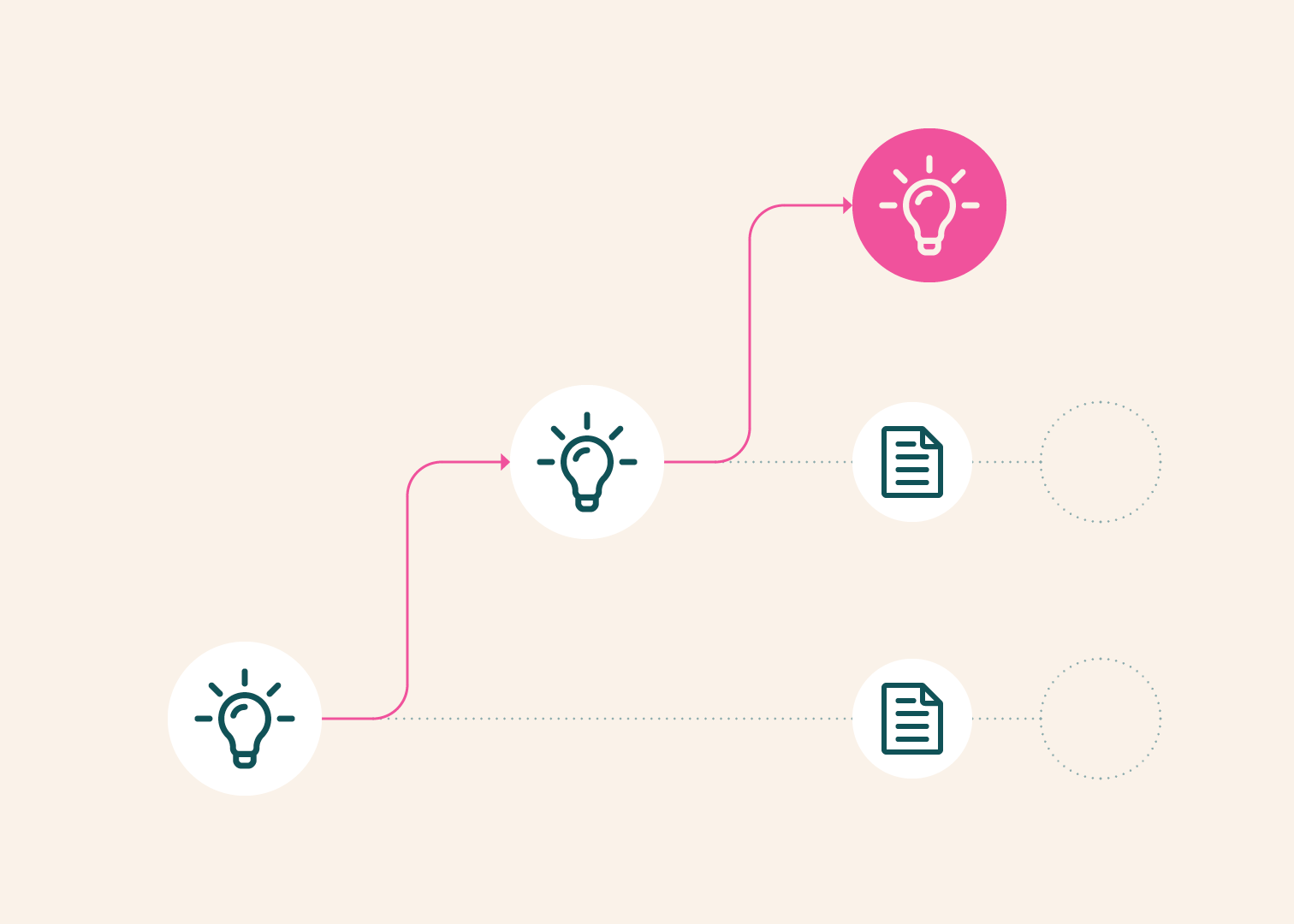
Developing a research idea is rarely a linear sprint; it’s a dialogue with the existing body of work. When a new paper surfaces, it can either invalidate a nascent hypothesis or spark a fresh direction. This literature‑initiated “pivot” is a core, yet often unsupported, part of scholarly creativity. LitPivot is a prototype system that makes that pivot explicit, surfacing relevant papers, critiquing each component of a proposal, and offering concrete rewrites grounded in the literature.
---
Why Pivoting Is Hard
Researchers typically juggle two intertwined tasks:
- Idea development – articulating a problem, a contribution, and an evaluation plan.
- Literature grounding – locating and assessing prior work that either supports or challenges the idea.
In a formative study of five researchers using a plain text editor and standard search tools, participants reported feeling stuck when a paper threatened their novelty claim. They wanted not just a flag that something was missing, but concrete suggestions on how to reshape the idea and which papers to cite. The study also uncovered two common pivot types:
- Differentiation – proving the idea is novel relative to existing work.
- Alignment – positioning the idea as a natural extension of prior work.
Both require a tight feedback loop between the draft and the literature, which most current tools lack.
---
How LitPivot Works
LitPivot introduces facet highlighting, which splits a short proposal into three editable segments:
- Problem statement – why the problem matters.
- Proposed contribution – what is new.
- Evaluation plan – how the claim will be tested.
When a researcher clicks a facet, an adjacent panel pulls in papers retrieved via the Asta Paper Finder and groups them by relevance to that facet (e.g., evaluation methods for the evaluation facet). The researcher can:
- Select papers that seem most pertinent.
- Request an assessment, prompting LitPivot to generate a critique supported by quoted excerpts.
- Review a suggested rewrite that integrates the critique and citations.
- Accept, edit, or reject the suggestion, then refresh the literature ranking based on the revised text.
Because each facet maintains its own relevance ranking, changing the problem statement automatically flags any downstream sections (like the evaluation plan) that may now be out‑of‑date, prompting the user to revisit them.
---
Findings From the Lab Study
In a controlled study with 17 researchers, each participant developed two ideas—one with LitPivot and one with a baseline tool (plain editor + AI chat). Blind expert reviewers rated the proposals on a single criterion: how well the idea was grounded in relevant literature. Results showed:
- Higher grounding scores for LitPivot‑generated proposals.
- Stronger self‑reported novelty and usefulness when using LitPivot.
- Improved literature comprehension, with participants noting they learned new related work they would have missed otherwise.
A concrete anecdote illustrates the workflow: a participant began with a proposal to generate consistent synthetic medical notes. LitPivot highlighted that most retrieved studies focused on single‑visit notes, prompting the researcher to narrow the scope to multi‑visit consistency and to discard irrelevant papers. The iterative loop of literature selection → critique → rewrite produced a more focused, literature‑aware idea.
A follow‑up, less‑structured study (five researchers, 30‑minute sessions) showed that LitPivot is useful beyond the earliest brainstorming stage. Participants employed it to vet new ideas, refine mature drafts, and even draw analogies across domains, suggesting the tool can support the entire lifecycle of idea development.
---
Practical Takeaways for Researchers
- Make the literature a living partner – Treat citations as dynamic evidence that can be swapped as the idea evolves.
- Structure proposals into facets – Explicitly labeling problem, contribution, and evaluation makes it easier for tools (and collaborators) to target feedback.
- Leverage critique‑driven rewrites – Instead of vague “this isn’t novel,” ask for concrete revision suggestions backed by specific excerpts.
- Iterate the evidence set – As you refine a facet, refresh the literature pool; this prevents stale references from anchoring outdated sections.
---
Looking Ahead
LitPivot builds on a broader research agenda at AI2 aimed at AI‑augmented scientific discovery. Projects such as Asta, Scideator, and IdeaSynth explore theory generation, hypothesis testing, and novelty assessment. LitPivot’s unique contribution is the tight coupling of choice of literature with revision of the idea, turning the often‑static bibliography into an interactive design surface.
While the prototype currently focuses on early‑stage ideation, the underlying paradigm could extend to longer writing tasks—think drafting an introduction or related‑work section where each paragraph is continuously validated against the latest publications.
---
Bottom Line
LitPivot demonstrates that making literature‑initiated pivots explicit, evidence‑driven, and editable can significantly improve the grounding, novelty, and perceived usefulness of research ideas. By integrating facet‑aware literature retrieval with AI‑generated critiques and rewrite suggestions, the system offers a practical workflow for scholars who want their ideas to evolve hand‑in‑hand with the ever‑growing scholarly record.
Source
Read original sourceWhy we picked this
Introduces LitPivot, a tool to aid research idea generation, a meaningful AI‑focused application.