Judge allows NAACP lawsuit over xAI data center pollution to move forward
A federal judge rejected xAI’s bid to dismiss the NAACP’s Clean Air Act lawsuit over unpermitted gas turbines at its Colossus data center, allowing the case to proceed.
Introduction
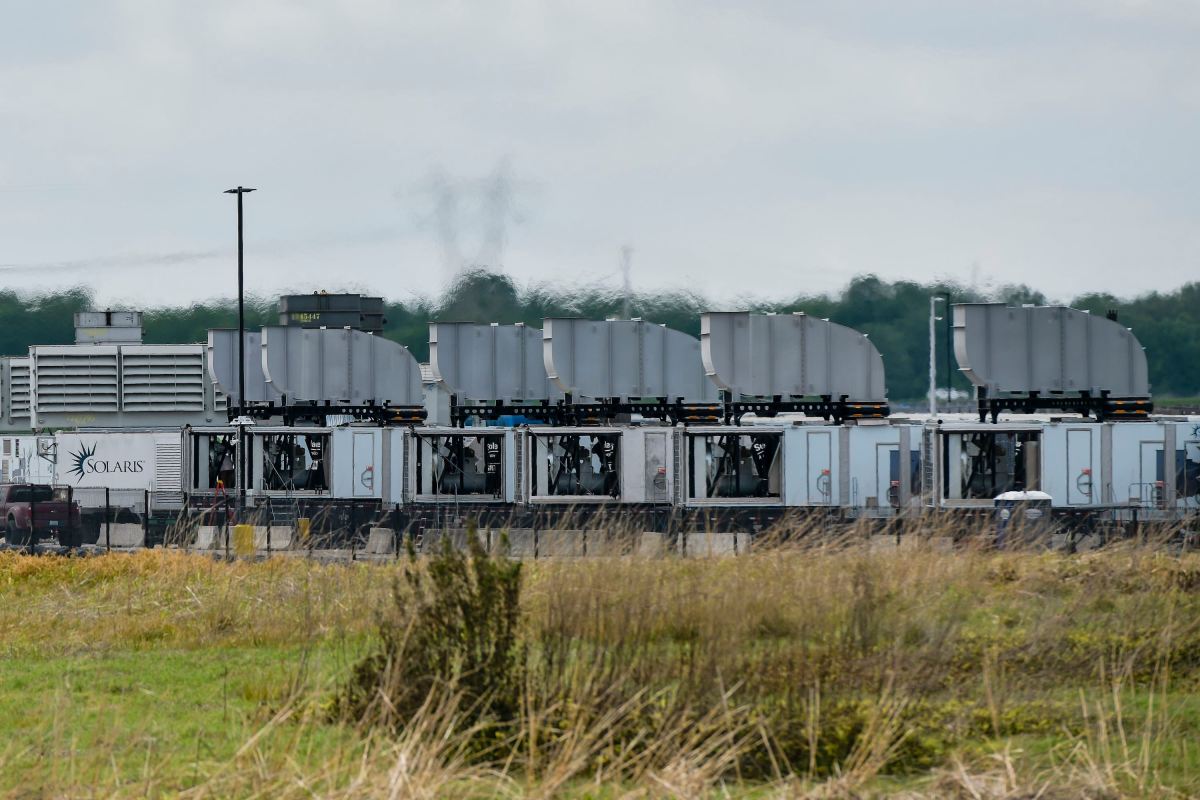
A U.S. district court has cleared the way for the NAACP’s environmental lawsuit against xAI, the artificial‑intelligence subsidiary of SpaceX. The case alleges that the company operated dozens of gas‑powered turbines at its Colossus data center near Memphis without the required air‑quality permits, violating the Clean Air Act. By denying xAI’s motion to dismiss, the judge affirmed the plaintiffs’ standing and the applicability of federal citizen‑suit provisions.
The legal backdrop
The Southern Environmental Law Center filed the suit on behalf of the NAACP, asserting that xAI installed at least 35 combustion turbines and other polluting equipment without obtaining pre‑construction or operating permits mandated by Mississippi’s State Implementation Plan. xAI argued the turbines were "mobile" sources exempt from permitting and that the citizen‑suit clause of the Clean Air Act was unconstitutional. Judge Debra M. Brown rejected both defenses, noting that:
- The turbines are not classified as mobile under state law, so permitting rules apply.
- The Clean Air Act expressly grants standing to citizens to enforce its provisions, and such suits do not infringe on the executive branch’s powers.
Why the case matters
The decision underscores a growing judicial willingness to hold tech firms accountable for environmental compliance, especially as data‑center construction expands across the United States. Recent legislative moves—such as New York’s moratorium on new data‑center projects—reflect heightened public scrutiny of the energy and emissions footprints of large‑scale computing facilities. The ruling also signals that corporate claims of regulatory exemption based on technical classifications will face rigorous judicial review.
Potential implications for the industry
- Regulatory compliance: Companies planning new data‑center sites may need to conduct more thorough environmental impact assessments and secure all relevant air‑quality permits before installation.
- Citizen‑suit enforcement: The affirmation of standing for groups like the NAACP and environmental NGOs could encourage additional lawsuits targeting emissions from data‑center infrastructure.
- Political pressure: As midterm elections approach, lawmakers may leverage cases like this to propose stricter oversight of high‑energy‑use facilities, potentially shaping future policy on AI‑related hardware deployments.
Looking ahead
The NAACP lawsuit now moves forward to discovery, where both parties will exchange evidence about the turbines’ operation, emissions data, and permit applications. While xAI can still contest the merits of the claims, the procedural victory for the plaintiffs sets a clear precedent: large‑scale AI and cloud providers cannot sidestep environmental regulations by labeling equipment as mobile or by invoking constitutional arguments.
--- This article provides an overview of the recent court ruling and its broader relevance to environmental law and the tech sector. No new quotations, dates, or proprietary data have been added beyond the supplied brief.
Source
Read original sourceWhy we picked this
Policy/legal news affecting an AI company