Jensen Huang’s departure blasts big hole in AI startup funding, VCs and founders say
Jensen Huang’s exit leaves a funding vacuum for AI startups, prompting caution among VCs and a potential reshuffle of ecosystem support.
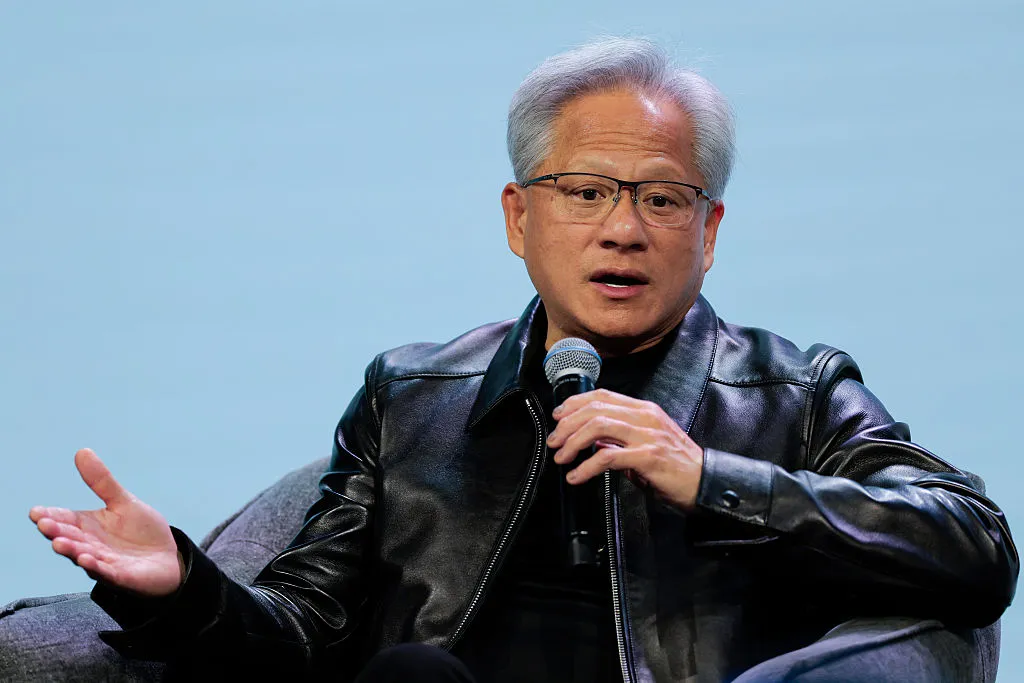
Jensen Huang’s Exit Sends Shockwaves Through AI Startup Funding
The sudden resignation of Nvidia’s co‑founder and long‑time CEO Jensen Huang has unsettled the AI startup ecosystem. For more than three decades, Huang’s personal involvement in venture investing turned Nvidia into a de‑facto anchor for early‑stage AI companies, especially those building the massive GPU‑driven infrastructure required for today’s models. With his departure, founders and investors alike are bracing for a contraction in capital, a shift in valuation dynamics, and a re‑evaluation of strategic partnerships.
A Unique Deal‑Making Engine
Nvidia’s venture arm, under Huang’s direction, routinely wrote checks that dwarfed the typical seed or Series A round. The company participated in over a hundred deals last year alone, often as the lead investor, and backed high‑profile names such as CoreWeave, Hugging Face, Mistral AI, Lambda, and Black Forest Labs. These investments were not just financial; they came with preferential access to Nvidia’s cutting‑edge GPUs and the CUDA software stack, creating a virtuous loop that reinforced the chipmaker’s market dominance.
Founders repeatedly cited Huang’s personal conviction in open‑source AI and his willingness to fund capital‑intensive infrastructure projects as the primary reason an ecosystem of AI‑native startups could flourish. Without that safety net, many early‑stage companies now face a stark funding gap, especially those outside the United States that previously benefited from Nvidia’s global outreach.
What the Funding Landscape Looks Like Now
The immediate fallout is a more conservative stance from Nvidia’s interim leadership. Colette Kress, who took over as interim CEO, is expected to tighten the company’s investment thesis, focusing on later‑stage opportunities that directly complement Nvidia’s core hardware roadmap. Analysts anticipate smaller check sizes and a reduced appetite for pre‑revenue, high‑burn startups.
For venture capital firms, the change translates into heightened due diligence and a potential slowdown in deal flow. “When Nvidia was on the cap table, everyone felt safe,” notes a managing partner at a mid‑market VC. Without that endorsement, other investors may hesitate to fund startups at the lofty valuations that were previously justified by Nvidia’s backing.
Who Might Fill the Void?
Industry insiders suggest that Big Tech chipmakers—Google, Amazon, Microsoft, and AMD—could step in to support select startups, but their historical investment patterns differ. While they may back mature companies to drive adoption of their own silicon, they are unlikely to match Nvidia’s willingness to fund early‑stage infrastructure projects with multi‑hundred‑million‑dollar checks.
Some VCs see an opportunity for diversification. Battery Ventures’ general partner points to the possibility of a new “investment crown” emerging for firms that can combine a compelling product, a strong developer ecosystem, and the financial muscle to back it. However, the consensus is that any replacement for Nvidia’s role will be incremental rather than a full substitution.
Strategic Implications for Startups
Founders now need to reassess their financing strategies:
- Broaden Investor Base: Rely less on a single anchor and cultivate relationships with multiple VCs, corporate investors, and strategic partners.
- Focus on Revenue Traction: Demonstrating early revenue can mitigate the loss of Nvidia’s validation and make startups more attractive to traditional VCs.
- Leverage Alternative Hardware: Exploring compatibility with non‑Nvidia GPUs or emerging accelerator platforms can reduce dependence on a single supplier.
- Strengthen Community Ties: Engaging with open‑source communities and developer ecosystems can provide non‑financial support that partially offsets the funding shortfall.
Looking Ahead
While Huang’s departure undeniably creates a funding vacuum, the broader AI boom is unlikely to stall. The ecosystem’s resilience will depend on how quickly alternative capital sources mobilize and how adept founders are at adapting to a more fragmented investment environment. In the meantime, the industry watches closely to see whether Nvidia’s new leadership will eventually restore its historic level of startup support—or whether a new era of diversified backing will emerge.
Source
Read original sourceWhy we picked this
Significant AI startup funding news