Jensen Huang deepfakes are the hot new AI slop
AI‑generated deepfakes of Nvidia CEO Jensen Huang have exploded as viral memes, highlighting both the power of Nvidia’s own hardware and the cultural shift toward “AI slop” content.
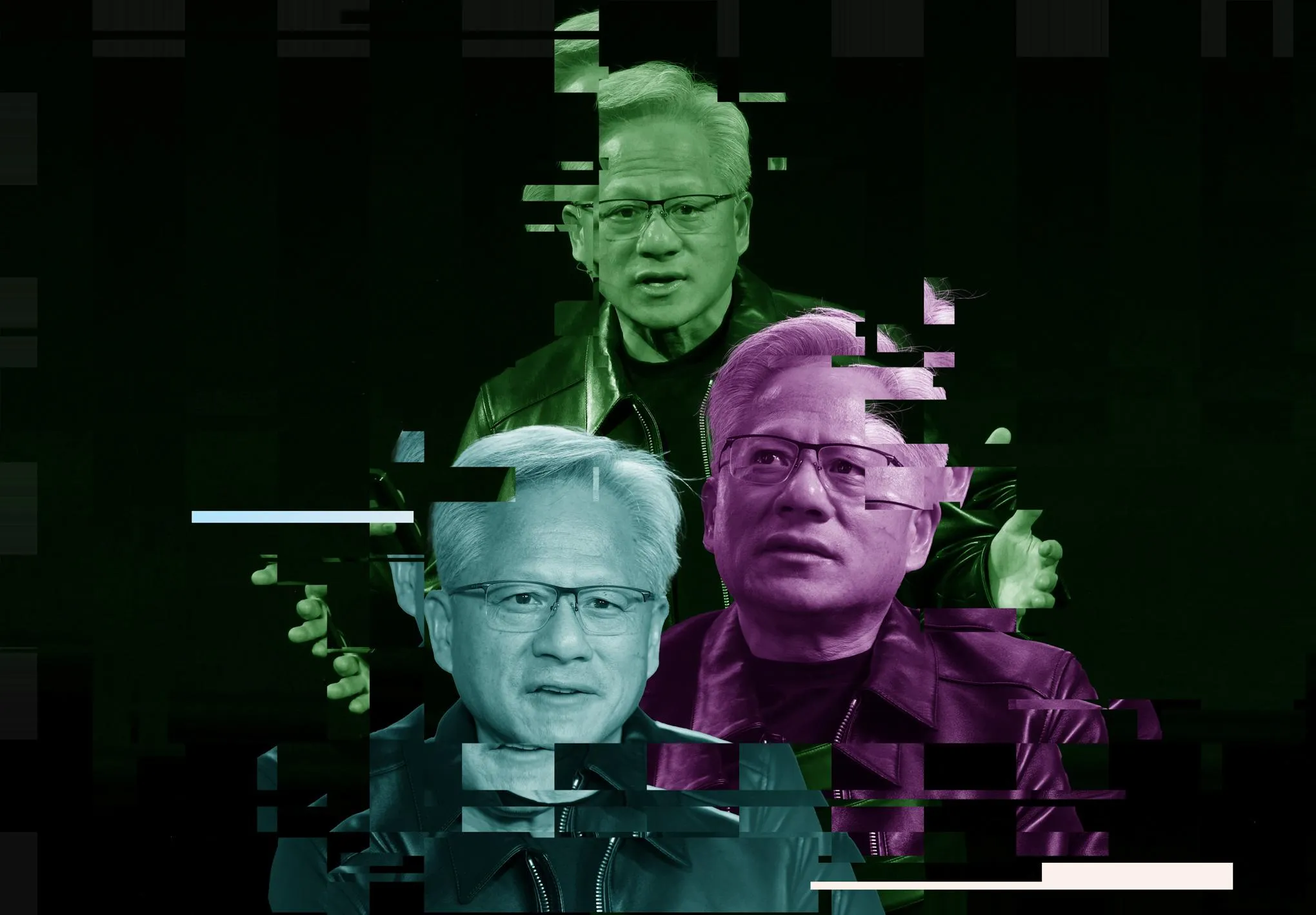
Jensen Huang Deepfakes: The Rise of AI‑Powered Meme Culture
The internet is buzzing with AI‑generated videos that place Nvidia’s co‑founder Jensen Huang in a parade of absurd scenarios—from dancing in Ibiza clubs to starring in classic TV sitcoms. These deepfakes, while humorous, illustrate how generative AI tools, built on the very GPUs Huang helped popularize, are reshaping meme creation and raising questions about the line between playful content and misinformation.
Why Huang Became the Meme Magnet
Huang’s recent personal scandal—publicized allegations of an affair and subsequent corporate drama—provided fertile ground for meme makers. The combination of a high‑profile tech figure, a sensational narrative, and the accessibility of powerful video diffusion models has turned his image into a recurring punchline. Creators remix a single “Ibiza Final Boss” clip, swapping Huang into the dancer’s role and adding various co‑stars, from his wife to Nvidia executives, to amplify the joke.
The Tech Stack Behind the Slop
The deepfakes rely on a suite of generative models that run on Nvidia GPUs, the same hardware that powers most modern AI workloads. Tools such as ByteDance’s Seedance 2.5, Alibaba’s Wan 3, and Google’s Nano Banana are cited by creators as the engines for their video edits. Because these models can synthesize realistic motion and facial expressions, a single source clip can be repurposed into dozens of viral variations with relatively modest investment—often a few thousand dollars in compute credits.
Cultural Impact and Monetization
Unlike politically charged deepfakes, these videos are framed as light‑hearted satire. Their popularity suggests a growing tolerance for AI‑generated humor, especially when the subject is already a public figure embroiled in controversy. Creators are beginning to explore revenue streams, leveraging viral reach to attract commissions from brands or to qualify for platform‑based payouts. While many report minimal direct earnings, the exposure can lead to client work and collaborations, as seen with a recent partnership involving an energy‑drink promotion.
Risks and Ethical Concerns
Even playful deepfakes raise red flags. The rapid production of realistic videos blurs the line between fiction and reality, making it harder for casual viewers to discern authenticity. Moreover, some memes perpetuate sexist or racial stereotypes, echoing broader societal biases that AI models can inadvertently amplify. As the volume of AI‑generated content grows, platforms face pressure to enforce disclosure policies and to consider the broader implications for targeted harassment and reputational harm.
Looking Ahead
The Jensen Huang phenomenon underscores a larger trend: AI tools are democratizing high‑quality video manipulation, turning meme creation into a quasi‑professional endeavor. As hardware continues to improve and model accessibility expands, we can expect more public figures to become subjects of similar AI‑driven satire. Stakeholders—including creators, platforms, and the subjects of these memes—will need to navigate a delicate balance between creative expression, monetization, and responsible use.
In the meantime, the next viral deepfake may be just a few GPU hours away.
Source
Read original sourceWhy we picked this
Discusses deepfake technology involving a prominent AI leader, a meaningful AI use case.