JB Pritzker thinks AI could help us live to 100 — or threaten us like nukes
Illinois Gov. JB Pritzker argues that AI could extend lifespans but also poses existential risks, urging proactive government regulation and protection for workers.
AI, Longevity, and the Role of Government
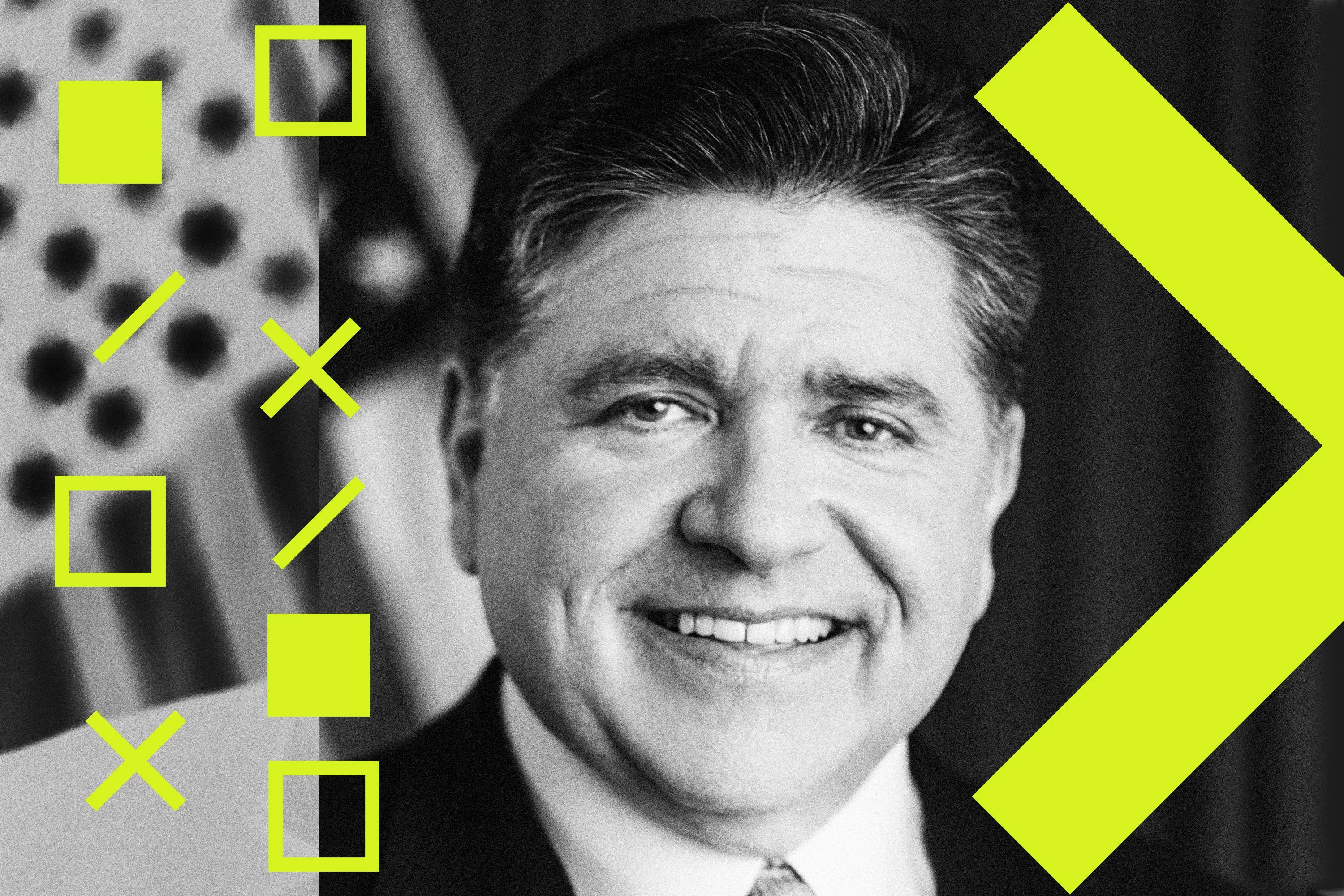
Illinois Governor JB Pritzker sat down with The Verge to discuss how artificial intelligence is reshaping policy, privacy, and the economy. He framed AI as a double‑edged sword: a technology that could help people live to 100, yet one that also carries risks comparable to nuclear weapons if left unchecked. Pritzker’s central message was clear—government must step up as a guardian of the public, not merely a partner to big tech.
A Generational Political Realignment
Pritzker sees a shift in how voters view the relationship between government and corporations. Younger constituents, he says, are demanding that the state protect taxpayers and vulnerable communities from the rapid encroachment of AI into everyday life. This realignment mirrors broader national trends, where both parties are grappling with data‑center incentives, privacy concerns, and antitrust enforcement. Pritzker believes that Illinois can lead by demanding more competitive practices from AI firms rather than granting them special exemptions.
Data Centers, Privacy, and the State‑Level Competition
The governor highlighted the fierce competition among states to attract data‑center projects through tax breaks and land‑use incentives. While such deals promise jobs and tax revenue, they also raise privacy and environmental questions. Pritzker warned that without a coordinated, bipartisan framework, states will continue a “race to the bottom,” sacrificing long‑term public interests for short‑term gains. He called for federal guidance that levels the playing field, ensuring that data‑center operators contribute fairly to local economies and respect residents’ privacy.
Preparing for an AI‑Driven Labor Market
Perhaps the most urgent issue Pritzker raised is the impact of AI on employment. He cautioned that current unemployment rates—around 4 %—could quickly rise to double digits as automation displaces workers across sectors. Rather than accepting inevitable job loss, Pritzker urged policymakers to develop robust safety nets, upskilling programs, and guaranteed income mechanisms that preserve the dignity of work. He emphasized that the benefits of AI should be broadly shared, not concentrated in the hands of a few tech giants.
Guardrails and Accountability
Pritzker advocated for a balanced approach: enforce guardrails on AI development while fostering innovation. He referenced ongoing debates about whether AI firms should receive antitrust exemptions, concluding that competition is essential for safety and accountability. By rejecting special treatment for large platforms, the government can keep these companies in check and encourage responsible AI research.
---
Practical Takeaway: Pritzker’s interview underscores the need for proactive, coordinated policy that addresses AI’s promise and peril. State leaders should push for federal standards on data‑center incentives, privacy, and antitrust, while simultaneously investing in workforce transition programs. By doing so, they can help ensure that AI becomes a tool for extending healthy lifespans—not a catalyst for economic upheaval.
Source
Read original sourceWhy we picked this
Discussion of AI's societal impact and policy relevance.