I built an AI Tamagotchi before Meta could
I turned a cheap ESP32‑S3 pendant into a fully‑featured AI Tamagotchi, adding voice, avatars, a remote camera viewfinder and a pocket‑watch UI using Claude’s code‑generation.
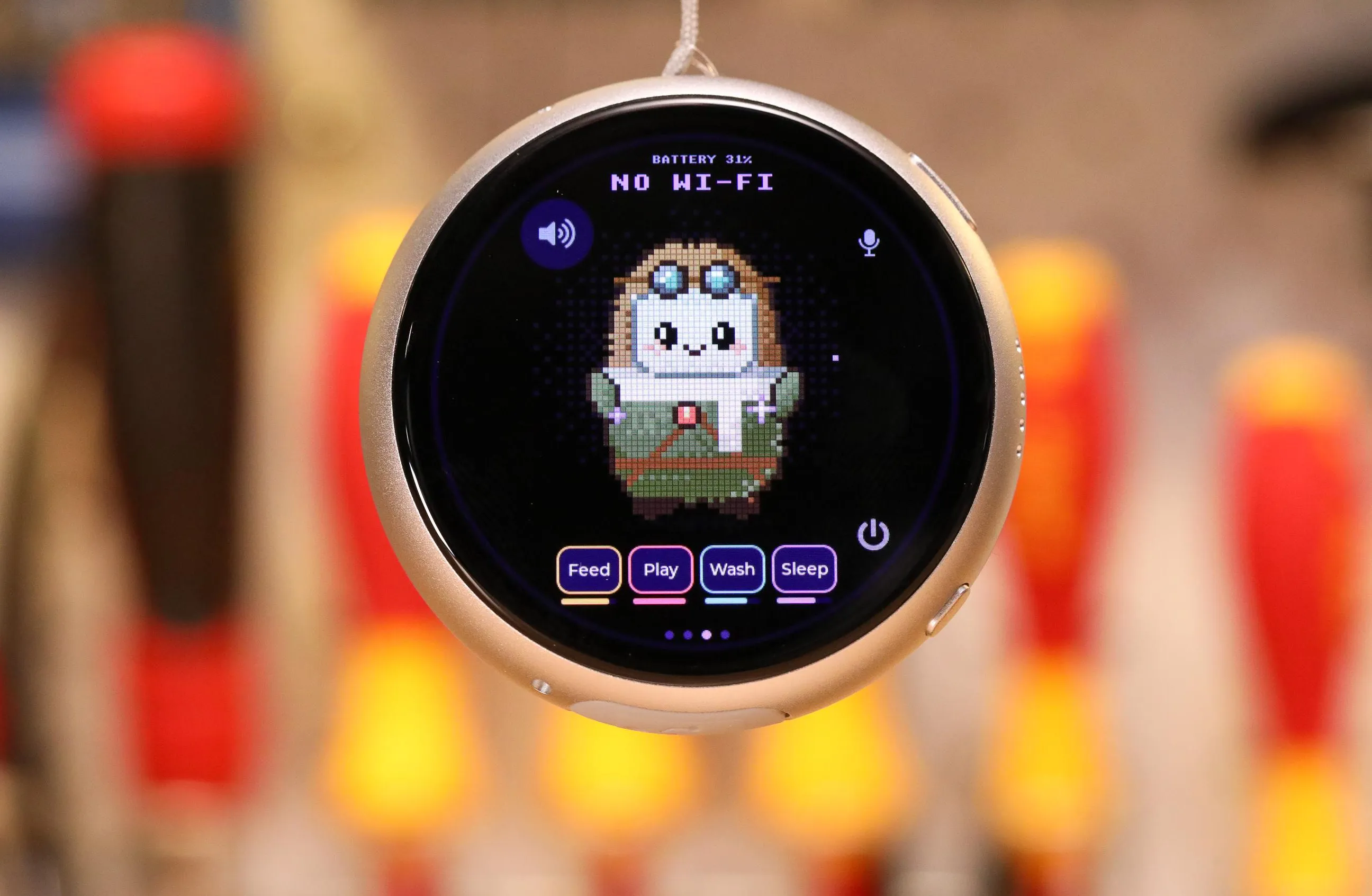
Turning a Tiny ESP32 Pendant into an AI Tamagotchi
Meta’s upcoming Muse Charm promises a cute, pocket‑sized AI companion that looks like a modern Tamagotchi. While the official device is still shipping, I bought a $50 Waveshare ESP32‑S3 1.75‑inch touchscreen pendant and used Claude’s code‑generation abilities to give it the same personality – and far more functionality – without any prior programming experience.
Getting Started: From Box to Connected Device
The pendant arrived as a simple development board with a tiny touchscreen, a push‑to‑talk button, and a USB‑C port. Setting it up was straightforward:
- Plug the board into a PC and install the provided driver.
- Clone Meta’s Muse Gadget repository from GitHub.
- Pair the device with the Muse phone app and upload Meta’s API keys.
At first, Muse interpreted my voice as audio‑to‑text requests, responded slowly, and displayed only a few words on the screen. The default avatar was a single static “Jolly” face, and there was no integration with smart‑home devices.
Claude Steps In: Filling the Gaps
A few prompts to Claude (the Anthropic model) transformed the pendant into a usable companion:
- Conversation History: Claude generated a simple UI that stores each exchange, letting me swipe right to read full responses.
- Voice Output: By integrating a free British voice from ElevenLabs, the pendant now speaks answers aloud, making interactions hands‑free.
- Remote Camera Viewfinder: Claude added a Bluetooth‑based preview from my phone’s camera and a one‑tap shutter button. The phone now sends a high‑quality photo back to the pendant, even when I’m away from Wi‑Fi.
- Pocket‑Watch Face: A tiny analog clock with three hands was coded in under 15 minutes, turning the device into a functional watch.
Adding Personality: Avatars and a Tamagotchi Minigame
Meta’s demo only offered a single avatar. I asked Claude to create a set of four distinct avatars, each with its own idle animation. Then we built a Tamagochi‑style minigame:
- The pet has hunger, boredom, and cleanliness meters.
- Feeding it produces a crunchy sound and a mess that dirties the avatar.
- Over‑playing tires the pet, requiring rest.
- Levels increase the complexity of each meter, keeping the game engaging.
All of this was achieved with a handful of Claude‑generated scripts that run on the ESP32’s MicroPython environment.
Practical Benefits and Limitations
What works well:
- Voice interaction is now audible and responsive (limited only by Meta’s server latency).
- The remote camera feature works over Bluetooth, so I can capture photos from across the room without a Wi‑Fi connection.
- The pocket‑watch UI provides a genuine secondary function beyond the AI companion.
What still feels rough:
- Meta’s backend can be inconsistent; occasional lag is noticeable.
- Security concerns remain – I keep the pendant on a guest Wi‑Fi network and avoid storing personal data on the device.
- The code is experimental; without a developer background, troubleshooting can be intimidating.
Should You Build Your Own or Wait for the Muse Charm?
If you enjoy tinkering and want a device that does more than the commercial Muse Charm, a cheap ESP32‑S3 board plus an LLM like Claude offers a powerful playground. You gain full control over avatars, voice, smart‑home integration, and even custom games. However, the process still requires patience, a willingness to iterate on generated code, and a cautious approach to privacy.
For most users, the official Muse Charm will likely provide a polished, out‑of‑the‑box experience with tighter security. But for hobbyists who love to hack, the development kit demonstrates how quickly a modest hardware platform can become a personalized AI companion.
---
This article is a practical recount of building an AI Tamagotchi using publicly available tools. No proprietary specifications or unreleased product details are disclosed.
Source
Read original sourceWhy we picked this
Covers a novel AI-powered consumer device