How data centers are driving a US natural-gas boom
The rapid expansion of U.S. data centers is spurring a surge in natural‑gas power projects, reshaping the grid and raising emissions concerns.
Introduction
The United States is witnessing a convergence of two powerful trends: an unprecedented boom in data‑center construction and a renewed reliance on natural‑gas generation. While the AI‑driven demand for compute power could, in theory, be met with renewable energy and storage, the reality on the ground shows developers turning to gas‑fired plants—both on‑grid and off‑grid—to secure reliable, on‑time electricity. This shift is reshaping interconnection queues, inflating fossil‑fuel shares on major grids, and driving up emissions for major tech firms.
Data‑center growth fuels natural‑gas demand
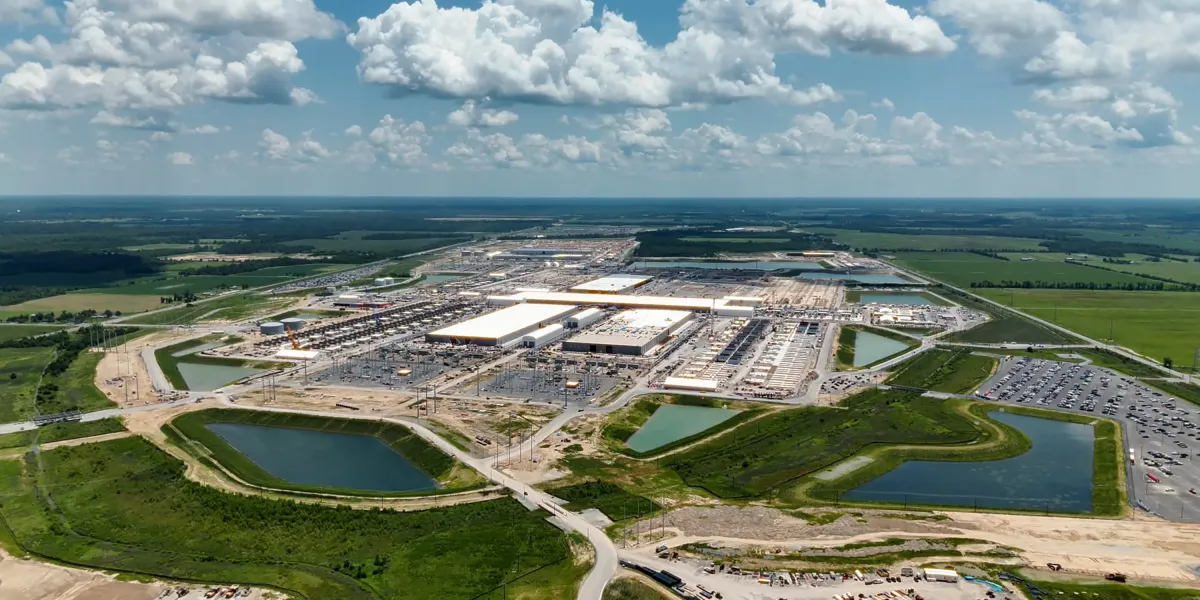
- Scale of the boom – New hyperscale facilities, such as Meta’s expanding Louisiana campus, have prompted utilities to multiply planned gas plants—from three to ten in a single region. Across the country, more than 100 off‑grid data‑center projects have been proposed since early 2025, totaling roughly 115 GW of capacity, a figure that dwarfs California’s peak demand.
- Grid bottlenecks – Developers cite long interconnection wait times as a primary motivator for building on‑site generation. When the grid cannot deliver power “on the necessary timeline,” companies are prepared to install their own gas turbines, mirroring practices in heavy industry and remote mining.
- Interconnection queues – Historically dominated by wind and solar, PJM’s queue now shows nearly half of its 200 GW of pending capacity as natural‑gas projects. If realized, the fossil‑fuel share on PJM would rise from 61 % to 67 %.
Emissions implications for tech giants
- Rising corporate footprints – Meta’s 2026 sustainability report shows a 45 % jump in emissions year‑over‑year, outpacing peers such as Google (18 %), Amazon (16 %) and Microsoft (25 %). The report notes a reassessment of its 2030 net‑zero goal, reflecting the pressure of securing reliable power.
- Gas vs. renewables – While wind and solar remain cost‑effective, their intermittency and the need for extensive storage make them less attractive for data‑center operators seeking guaranteed uptime. Natural‑gas plants can be dispatched quickly, aligning with the fast‑track deployment timelines that AI workloads demand.
Looking ahead: Alternatives and policy levers
- Renewable integration – Pairing solar and wind with advanced battery systems can improve reliability, but scaling such solutions to meet the massive, continuous loads of data centers will require substantial investment and grid upgrades.
- Demand‑side flexibility – Encouraging data centers to shift non‑critical workloads to off‑peak hours could reduce peak‑grid stress, lowering the incentive to build new gas capacity.
- Regulatory incentives – Policymakers could steer investment toward low‑carbon options by offering tax credits for on‑site renewable generation, fast‑track permitting for battery storage, or penalties for new fossil‑fuel projects that do not meet emissions caps.
Conclusion
The data‑center surge is acting as a catalyst for a U.S. natural‑gas renaissance, reshaping interconnection queues and raising corporate emissions. While gas offers a quick fix to grid reliability challenges, the long‑term climate trajectory will depend on whether industry, utilities, and regulators can accelerate renewable and storage solutions fast enough to keep pace with the compute appetite of the AI era.
Source
Read original sourceWhy we picked this
Explores AI's impact on data center energy use, a meaningful AI-related news item.