Google’s next Genie AI model generates more realistic experiences
Google’s Genie 4 model expands AI‑generated worlds with longer, more realistic simulations, audio, and real‑time editing, targeting creators and developers.
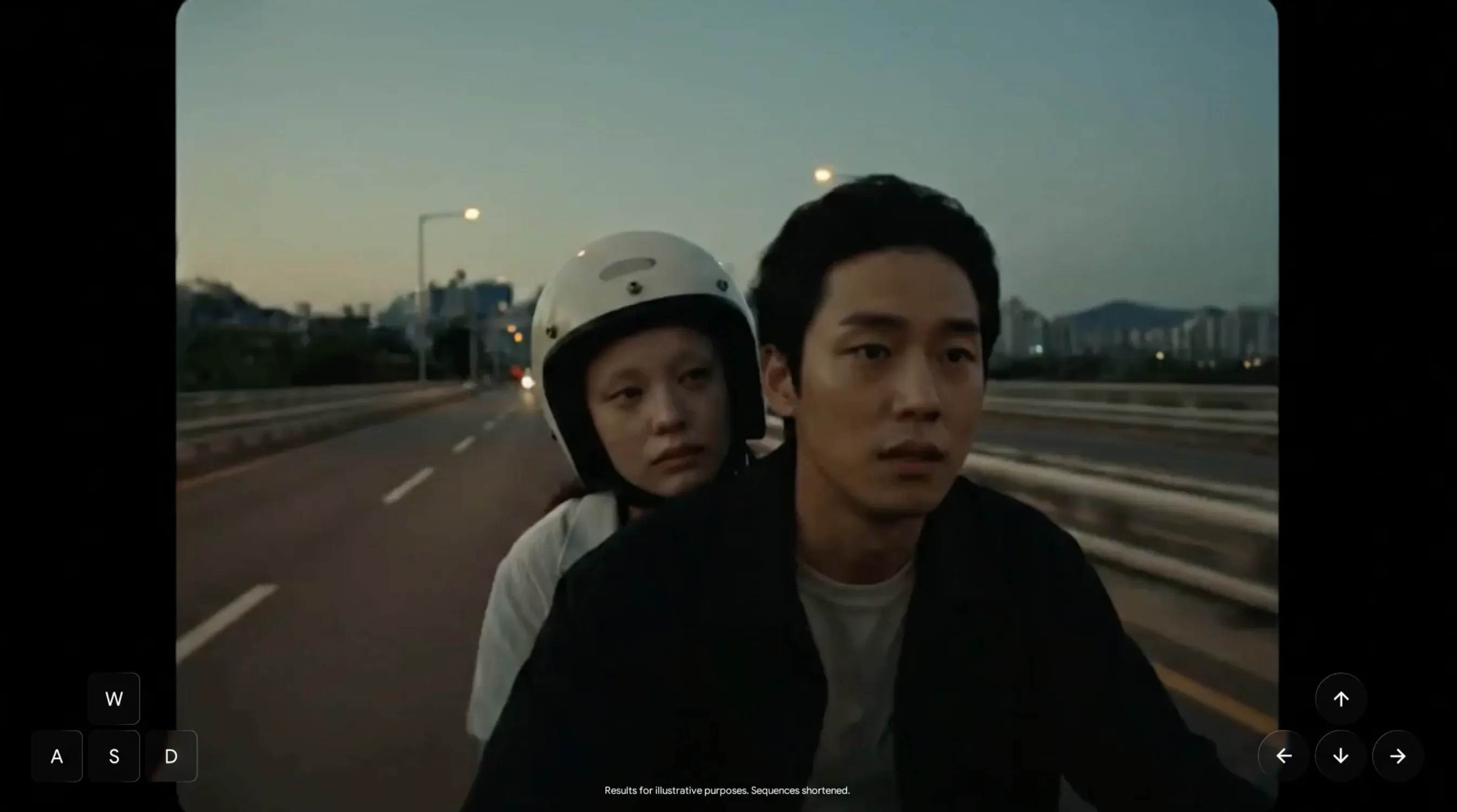
Introduction
Google unveiled its next‑generation generative AI system, Genie 4, as part of the Project Genie suite. Building on the earlier Genie 3 model, Genie 4 promises richer, longer‑lasting interactive experiences that can be tweaked on the fly with natural‑language prompts and now include synchronized audio. The rollout begins as a research preview for trusted testers, with broader availability slated for Google AI Ultra subscribers.
More Realistic, Longer Worlds
The core upgrade in Genie 4 is its world model, which renders environments with greater visual fidelity and consistency. Where Genie 3 could sustain a simulation for roughly one minute, Genie 4 extends that window to about two minutes, allowing creators to explore more complex narratives or training scenarios without the abrupt cut‑offs that previously limited immersion. Google notes that longer runs can still encounter shifts in object permanence, a reminder that the technology remains experimental.
Real‑Time Editing via Natural Language
One of Genie 4’s standout features is the ability to modify an ongoing simulation using plain‑language commands. Users can ask the model to add a new character, change lighting, or introduce a sound effect while the scene is playing, and the system updates the world in real time. This interactive editing loop is designed to streamline workflows for filmmakers, game designers, and other creators who need rapid prototyping without diving into traditional development tools.
Integrated Audio Generation
Genie 4 also incorporates audio synthesis, enabling the model to produce background music, ambient sounds, or dialogue that matches the visual context. By coupling audio with visual output, the system delivers a more cohesive sensory experience, which is especially valuable for pre‑visualization and immersive training modules.
Under the Hood: Gemini 3.8 Flash
The performance boost comes from Google’s Gemini 3.8 Flash architecture, which powers the simulations and helps manage the increased computational load of longer, audio‑enhanced worlds. While the specifics of the hardware stack are not disclosed, Gemini 3.8 Flash is positioned as a lightweight, high‑throughput engine optimized for generative tasks.
Potential Use Cases
- Filmmaking pre‑visualization – Directors can quickly generate and iterate on scene layouts, lighting, and sound design before committing to costly production resources.
- Game prototyping – Indie developers can test level concepts, character interactions, and atmospheric audio in minutes rather than weeks of coding.
- Robotics training – Simulated environments with realistic physics and audio cues can serve as safe testbeds for robot perception and decision‑making algorithms.
Availability and Access
Genie 4 is currently offered as a research preview to a limited pool of trusted testers. Google has opened a waitlist for interested parties, and the model will later be included in the Google AI Ultra subscription tier. Early adopters will gain access through the Project Genie interface, where they can experiment with the new capabilities and provide feedback to refine the system.
Practical Takeaway
Genie 4 marks a notable step toward more immersive AI‑generated experiences, combining visual realism, extended duration, real‑time editing, and audio synthesis. While still in a controlled rollout phase, the model’s capabilities hint at a future where creators can prototype complex interactive content with minimal technical overhead. For teams looking to accelerate concept development or explore AI‑driven training environments, keeping an eye on Genie 4’s evolution—and signing up for the waitlist—could be a strategic move.
--- This article synthesizes the key points from Google’s announcement and contextualizes the potential impact of Genie 4 for creators and developers.
Source
Read original sourceWhy we picked this
Launch of a new AI model for generating interactive experiences.