Facebook will let you customize your feed algorithm using AI
Meta’s new “Your Algorithm” lets Facebook users shape their feed in real time using AI‑driven controls.
Introduction
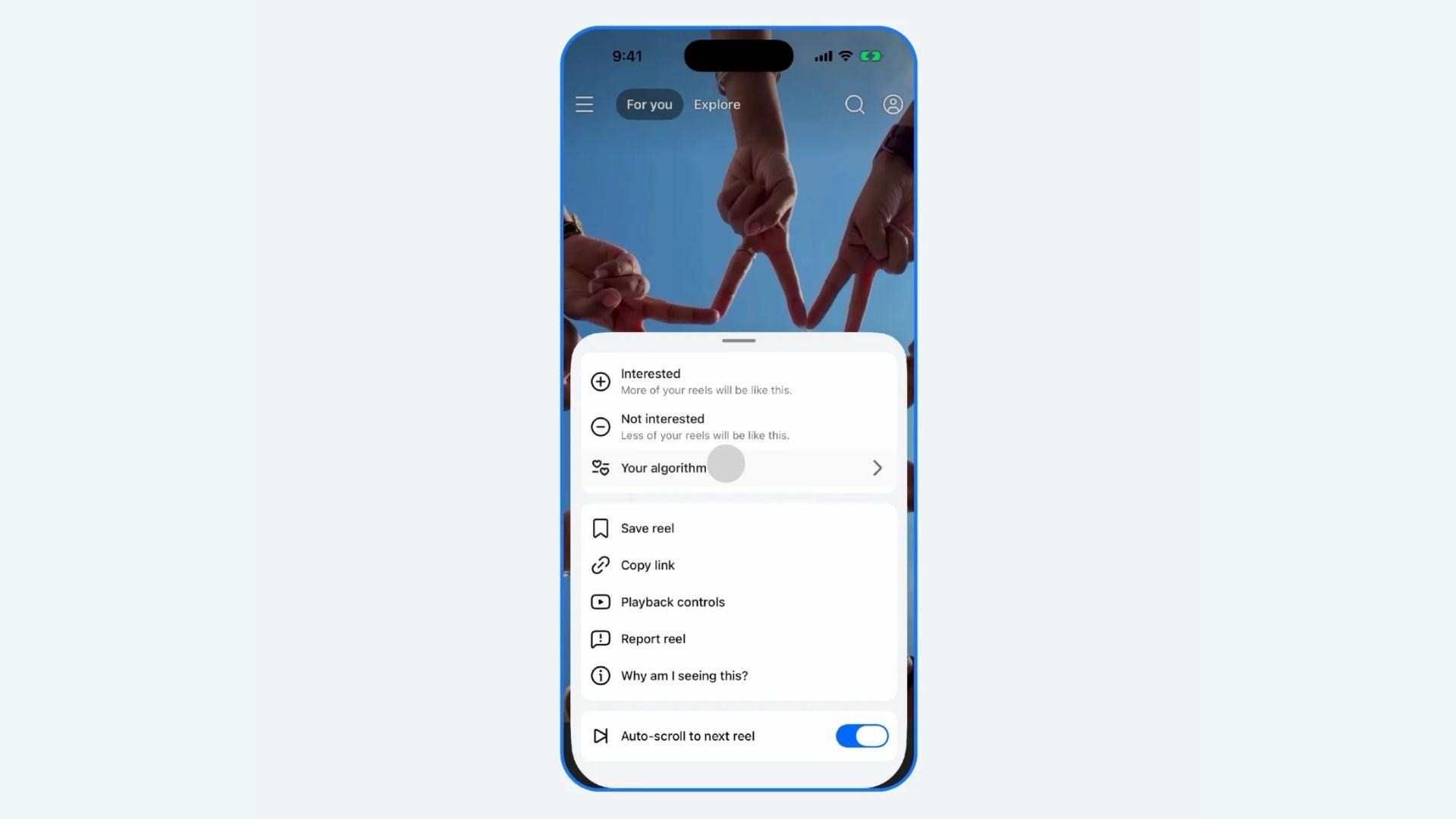
Meta is extending the AI‑powered customization tools it introduced on Instagram to Facebook. The new Your Algorithm feature lets users directly tell the platform what kinds of posts they want to see more—or less—by selecting “interested” or “not interested” on individual items, or by adding and managing topic preferences. Leveraging large language models (LLMs), the system claims to update recommendations instantly, giving users a conversational way to influence their feed.
How the Feature Works
- Topic selection: Users can add topics they care about or mute those they don’t. The interface appears as a simple list where you can toggle interest states.
- Post‑level feedback: On any post, a three‑dot menu (or a button beneath the content) offers “interested” and “not interested” choices. Selecting one triggers an immediate re‑ranking of the feed.
- Follow‑up prompts: Meta may ask follow‑up questions to refine the signal—e.g., “What about this post did you like?”—allowing the LLM to interpret nuanced preferences.
- Real‑time adaptation: According to Meta, the algorithm adjusts within the same browsing session, so the next batch of posts reflects the latest input.
What AI Brings to the Table
The shift from static, opaque ranking to an interactive model hinges on LLMs that can parse natural‑language cues. By interpreting the intent behind a user’s feedback, the system can:
- Contextualize interests – understand that “sports” might mean live scores for one user and athlete interviews for another.
- Detect nuance – differentiate between “I like the humor” and “I dislike the political angle” in the same post.
- Reduce echo chambers – if a user explicitly marks certain viewpoints as unwanted, the model can balance the feed rather than simply amplifying prior engagement signals.
Practical Tips for Users
- Start with broad topics: Add high‑level interests (e.g., “travel,” “tech news”) to give the algorithm a solid foundation.
- Refine with post feedback: Use the “interested”/“not interested” buttons liberally; each click fine‑tunes the model.
- Answer follow‑up prompts: Brief, specific replies (e.g., “I prefer photos over videos”) help the LLM learn faster.
- Review your settings regularly: Interests evolve, so revisit your topic list every few weeks to keep the feed aligned with current preferences.
Potential Benefits and Caveats
Benefits
- Greater transparency: Users see exactly which topics influence their feed.
- Faster personalization: Real‑time updates mean less lag between feedback and visible change.
- More control over content diversity: Explicitly marking unwanted topics can mitigate algorithmic bias.
Caveats
- Learning curve: New users may need to spend a few minutes providing feedback before the feed stabilizes.
- Privacy considerations: The system processes interaction data to train its models; users should review Meta’s data policies.
- Algorithmic limits: While LLMs improve nuance detection, they still rely on the underlying ranking infrastructure, which may prioritize high‑engagement content.
Closing Thoughts
Meta’s Your Algorithm represents a notable step toward user‑driven feed curation on Facebook. By marrying simple UI controls with the interpretive power of LLMs, the platform promises a more responsive and personalized experience. For users willing to engage with the new tools, the result can be a feed that feels less like a mystery and more like a conversation—one where you set the agenda and the algorithm listens.
Source
Read original sourceWhy we picked this
Core AI product launch of Meta's user‑customizable feed algorithm.