Elvis and Eminem rights holders are suing Suno
Elvis Presley’s estate and Eminem’s publisher have sued AI music startup Suno, alleging illegal voice cloning and copyright violations, adding to a growing wave of legal challenges against AI‑generated music.
Introduction
Artificial intelligence is reshaping music creation, but the technology is also sparking a series of high‑profile lawsuits. The latest filings come from the estates of Elvis Presley and the publisher representing some of Eminem’s biggest hits, both accusing AI music platform Sun Suno of unlawfully reproducing their artists’ voices and lyrics. These cases highlight the tension between innovative tools and the rights of creators, and they join a mounting docket of litigation aimed at curbing unlicensed AI‑generated music.
The lawsuits and the claims
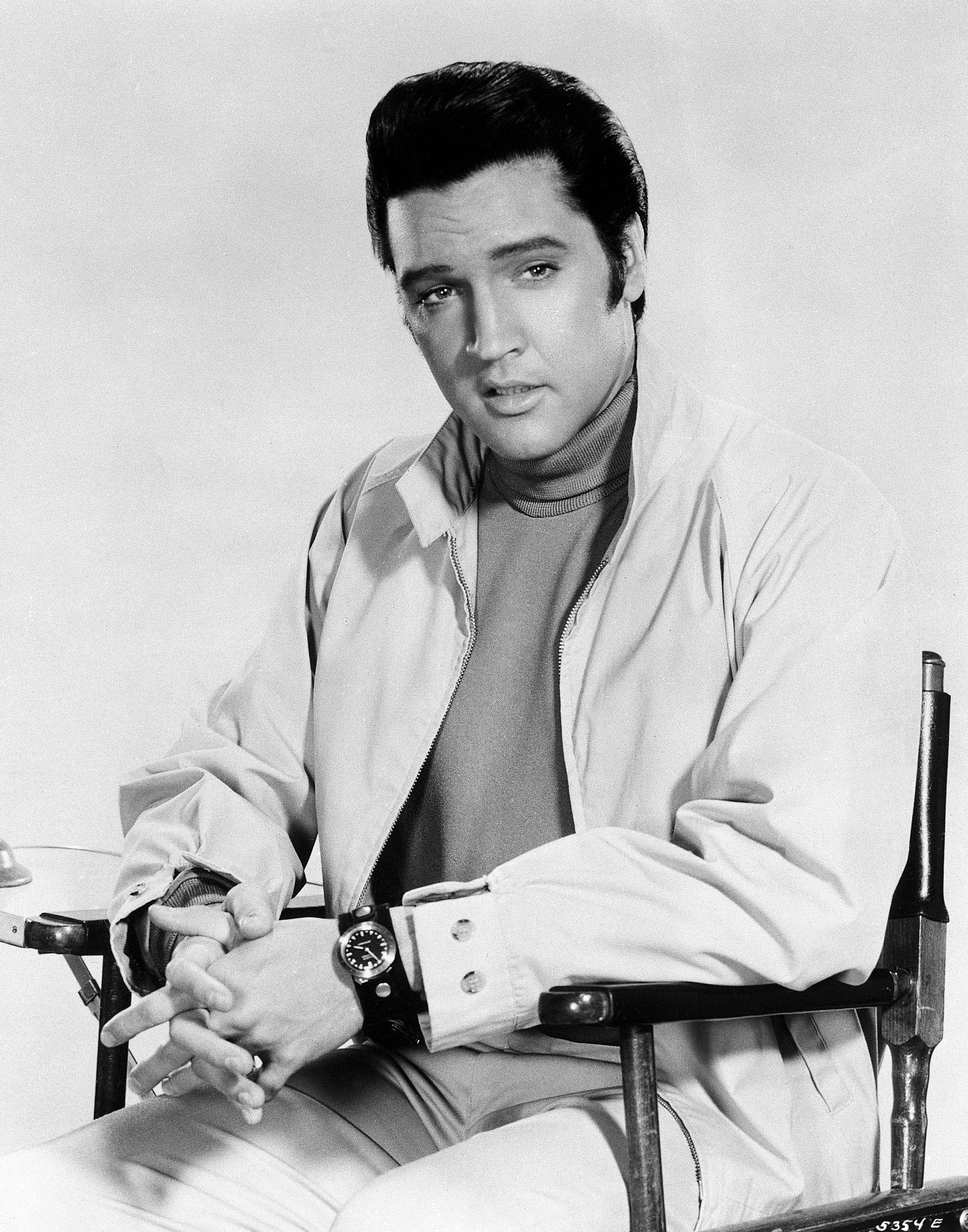
The Presley suit invokes Tennessee’s Ensuring Likeness Voice and Image Security (ELVIS) Act, a law that specifically prohibits the unauthorized cloning of a singer’s voice. Plaintiffs argue that Suno’s system has been trained on Presley’s recordings and can generate new tracks that sound indistinguishable from the legendary performer, effectively turning his vocal identity into a commercial commodity without permission.
A parallel complaint filed by the publisher of several Eminem recordings alleges that Suno’s text‑to‑audio models produce lyrics and vocal styles that mirror the rapper’s distinctive flow and phrasing. The complaint does not focus solely on copyright infringement; it also emphasizes the broader misuse of an artist’s personal brand and the potential for consumer confusion.
Both filings echo a prior lawsuit filed by folk‑rock artist Jason Isbell and other musicians, which accused Suno of creating voice imitations without seeking licenses. While the Isbell case centered on copyright claims, the new suits broaden the legal argument to include statutory protections for voice likenesses.
Suno’s response and existing legal landscape
Suno’s spokesperson, Cat McCormack, told The Verge that the company’s platform is designed to help users produce original music, not to exploit existing artists’ identities. According to the statement, Suno blocks prompts that name specific artists or songs and employs third‑party screening tools to detect potentially infringing uploads. The company says it is continuously improving its safeguards to protect both creators and users.
These defenses come amid a growing list of actions against Suno. In addition to the Presley and Eminem cases, the startup faces lawsuits from major record labels such as Sony and Universal Music Group, as well as from independent rights holders like Reservoir Media. Collectively, the suits allege that Suno’s technology enables rapid, unlicensed replication of copyrighted works, undermining the economic value of original music.
What this means for AI‑generated music
The outcomes of these cases could set important precedents for the entire AI music industry. If courts uphold the ELVIS Act claim, it may establish a clear legal barrier to voice‑cloning technologies, requiring companies to obtain explicit consent before training models on an artist’s recordings. A ruling in favor of the Eminem publisher could reinforce the notion that lyrical style and vocal delivery are protectable elements, extending copyright considerations beyond the underlying sound recordings.
For developers, the stakes are practical: stricter licensing requirements could increase costs and slow product development, while robust compliance frameworks might become a competitive advantage. For artists, successful litigation could provide a new avenue to control how their likenesses are used in the digital age, potentially leading to licensing models that compensate creators for AI‑driven reproductions.
Closing thoughts
The lawsuits against Suno illustrate a pivotal moment where technology, law, and creative rights intersect. As AI tools become more capable of mimicking iconic voices, the industry will need clear guidelines that balance innovation with respect for the labor and identity of musicians. Whether Suno’s safeguards will satisfy courts—or whether the company will need to overhaul its approach entirely—remains to be seen. What is clear is that the legal landscape for AI‑generated music is rapidly evolving, and the next few rulings will shape how artists and technologists collaborate in the years ahead.
Source
Read original sourceWhy we picked this
Legal action against Suno’s AI-generated music, a significant AI use‑case and policy issue.