DuckDuckGo pitches itself to schools amid backlash over Google’s AI policy
DuckDuckGo is courting schools as Google’s AI rollout sparks backlash, highlighting privacy‑focused alternatives for education.
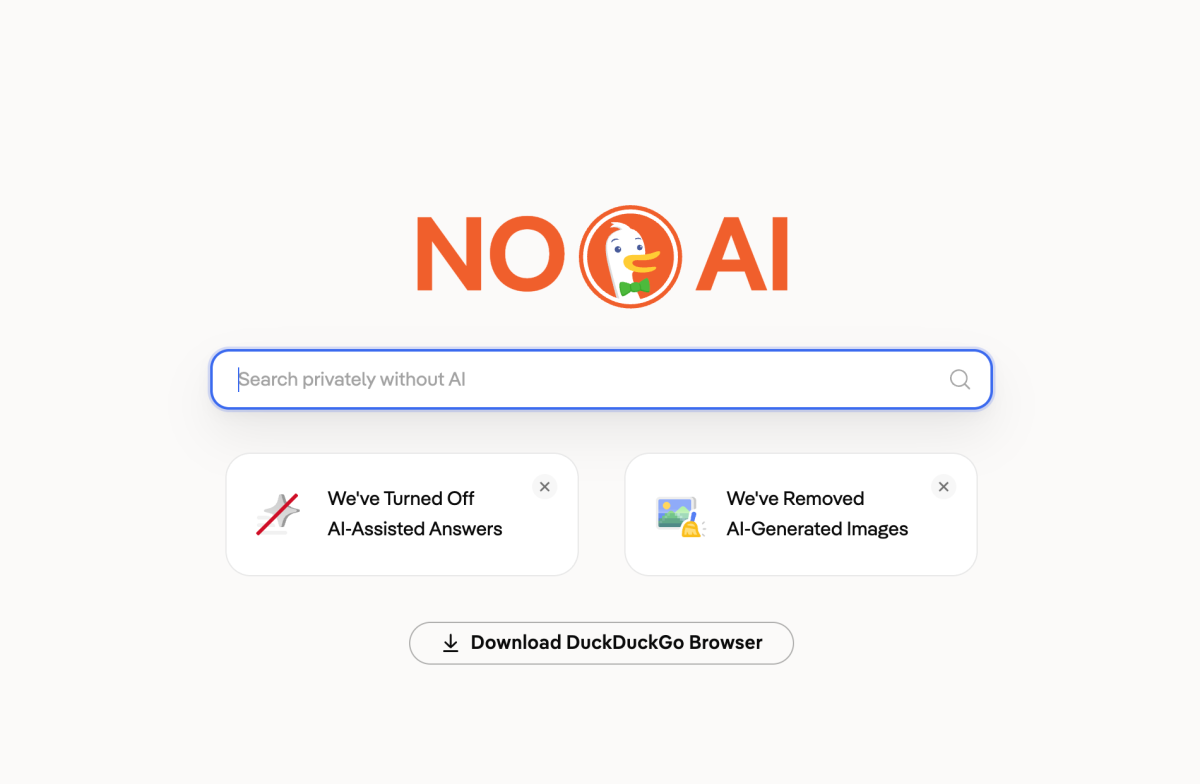
DuckDuckGo Seeks a Footprint in K‑12 Amid Google’s AI Controversy
Google’s recent decision to make its Gemini AI tools optional for schools—while keeping AI‑enhanced search on by default—has ignited a debate about the role of artificial intelligence in classrooms. In the wake of that backlash, privacy‑first search engine DuckDuckGo is positioning itself as an alternative for districts that want more control over data collection and AI exposure.
---
Why Schools Are Re‑Evaluating Their Search Partners
Google dominates the education market with roughly 50 million Chromebooks and a classroom platform that reaches over 150 million users worldwide. Its AI‑driven features, such as Gemini, Gemini Notebook, and AI‑powered search overviews, are now turned off by default for K‑12 institutions, but educators can still enable them individually. The default‑on AI in Google Search, however, remains a point of contention because it surfaces conversational answers and generated content without a clear opt‑out.
Educators have expressed a desire for tools that let them remove AI from the learning process entirely, rather than merely toggling it on a case‑by‑case basis. The tension reflects a broader public unease about AI’s presence in everyday life, as seen in recent local elections where voters opposed new AI data centers.
---
DuckDuckGo’s Pitch: Privacy and Choice
Seeing an opening, DuckDuckGo is promoting its search engine to schools as a privacy‑centric alternative. The company’s founder and CEO, Gabriel Weinberg, highlighted documentation that walks administrators through switching the default search engine to DuckDuckGo. Meanwhile, chief public affairs officer Kamyl Bazbaz framed the move as a stand against a “monopolist forcing AI on school children.”
Key points of DuckDuckGo’s offering include:
- Opt‑out AI: The company’s search and browser settings let users disable AI features, and a dedicated site (noai.duckduckgo.com) provides a completely AI‑free experience.
- Transparent data practices: DuckDuckGo limits data collection, which appeals to districts concerned about student privacy and compliance with regulations such as FERPA and COPPA.
- Support resources: DuckDuckGo promises assistance for schools making the switch, positioning the transition as a straightforward technical change rather than a disruptive overhaul.
---
The Bigger Picture: Competition, Choice, and Policy
The current debate underscores a shifting landscape where choice, not monopoly, is becoming a selling point. Google’s stance—that it is simply responding to feedback and giving schools the ability to enable or disable AI—has been met with skepticism because the core search experience still leans heavily on AI.
DuckDuckGo’s approach leverages growing consumer fatigue with forced AI experiences, a trend reflected in the company’s recent uptick in app installs. By emphasizing configurable AI and minimal data retention, DuckDuckGo aims to attract not only privacy‑concerned individuals but also institutional buyers who must balance educational outcomes with legal and ethical responsibilities.
---
Practical Takeaways for Educators
- Assess your district’s AI policy – Determine whether existing tools align with your community’s comfort level regarding AI exposure.
- Explore DuckDuckGo’s no‑AI portal – Test the dedicated site to see how a fully disabled AI search feels for students and staff.
- Plan for migration – Review DuckDuckGo’s implementation guide early to avoid last‑minute technical hurdles.
- Engage stakeholders – Involve teachers, parents, and IT staff in discussions about data privacy and AI use to build consensus.
As the conversation around AI in education evolves, schools now have a clearer set of alternatives. Whether they stay with Google, switch to DuckDuckGo, or adopt a hybrid approach, the emphasis on control, transparency, and student privacy will likely shape the next generation of classroom technology.
Source
Read original sourceWhy we picked this
DuckDuckGo's push to schools amid AI policy issues is a relevant AI integration story.