Democrats launch Nvidia investigation, write scathing letter on Huang’s ‘scheme’ with Trump
Democrats have opened a congressional inquiry into Nvidia’s China chip sales and alleged Trump‑linked revenue‑sharing scheme, demanding records and testimony from the company and officials.
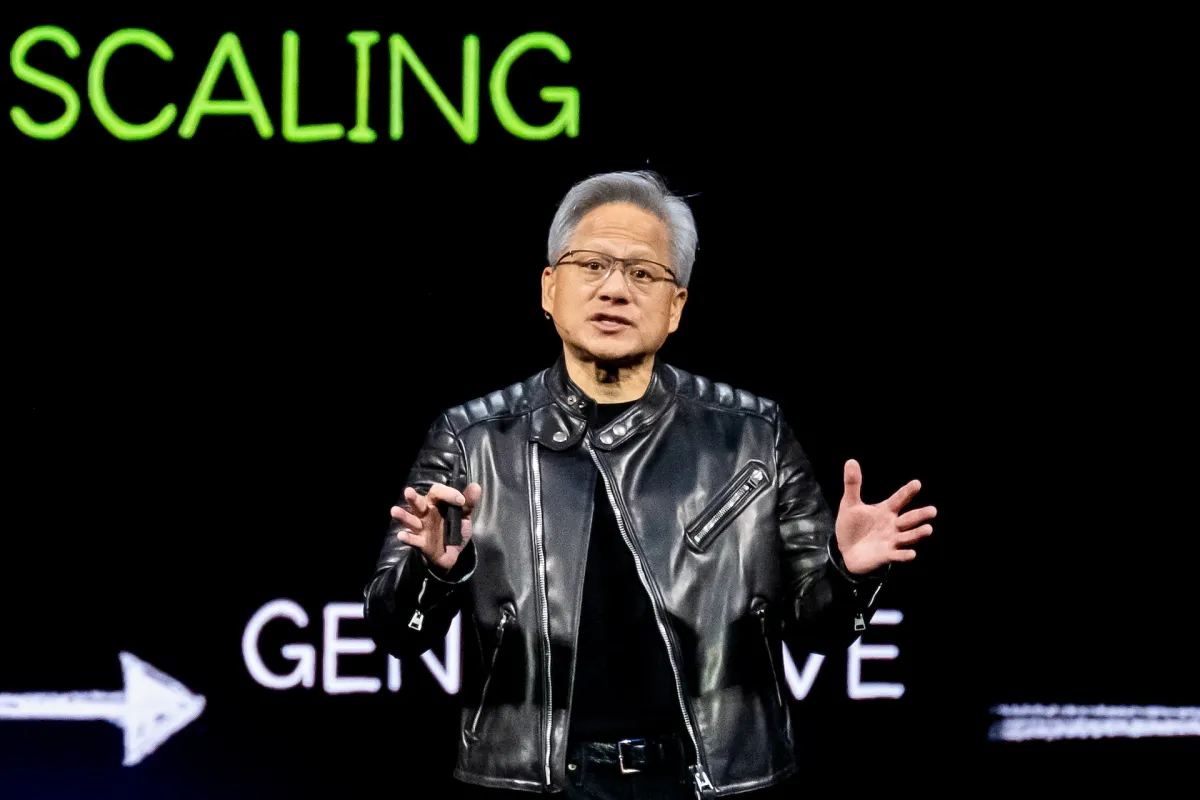
Democrats Probe Nvidia’s China Chip Sales and Trump Dealings
In a move that underscores the growing political scrutiny of the semiconductor industry, House and Senate Democrats have launched a formal inquiry into Nvidia’s export of high‑performance chips to China and the company’s reported revenue‑sharing arrangement with former President Donald Trump. The investigation, led by Rep. Richard Neal (D‑Mass.) and Sen. Ron Wyden (D‑Ore.), seeks to preserve records, question officials, and assess whether any laws were violated.
Why the Inquiry Matters
The Democrats’ letter to Commerce Secretary Howard Lutnick raises several concerns:
- Export licensing process – The letter alleges that Nvidia’s H200 chips, manufactured in Taiwan, were shipped to the United States before being re‑exported to China under a deal that effectively allowed the administration to capture a portion of the sales as a tariff.
- Potential conflict of interest – Nvidia reportedly donated millions to Trump‑aligned projects.
- Alleged security risks – An executive at a Singapore‑based Nvidia customer, identified as Alice Huang, has been linked to Chinese intelligence activities.
- Transparency of downstream buyers – The Commerce Department is accused of approving sales to Asian firms that lacked a verifiable physical presence at the listed addresses.
While the Democratic minority cannot compel answers, the request for document preservation and testimony signals a serious intent to examine whether the export arrangement complied with U.S. trade and national‑security statutes.
The Political Context
The investigation arrives amid a broader bipartisan focus on China‑related technology transfers. Republicans, through committees on the Chinese Communist Party, foreign affairs, and intelligence, have also sought testimony from Nvidia’s founder Jensen Huang. After his resignation, Huang agreed to appear before a closed‑door session, indicating the pressure on the company from both sides of the aisle.
The Democrats’ focus on the alleged revenue‑sharing scheme with Trump adds a political dimension. If the administration leveraged knowledge of personal matters to extract donations or influence export decisions, it could raise questions about the propriety of the deal and potential violations of ethics rules.
What to Watch Next
- Document production – Commerce Secretary Lutnick’s response to the preservation request will shape the scope of the investigation.
- Testimony – Upcoming hearings with Nvidia executives and possibly former administration officials could reveal details about the licensing process and any undue influence.
- Legislative action – Depending on findings, Congress may consider tightening export‑license oversight for advanced AI chips.
- Industry impact – Other chipmakers may reassess their China strategies, especially if the inquiry leads to stricter compliance requirements.
Bottom Line
The Democratic inquiry into Nvidia’s China chip sales and its alleged Trump‑linked revenue arrangement reflects heightened vigilance over technology exports, national‑security implications, and potential conflicts of interest. As document requests and testimonies unfold, the outcome could reshape how the United States regulates high‑value AI hardware and holds both corporations and officials accountable for their cross‑border dealings.
Source
Read original sourceWhy we picked this
Policy news affecting a major AI company