David Fincher is being dragged for suspected use of AI in his latest film
Debates over alleged AI use in David Fincher’s new film highlight broader industry concerns about transparency and artistic integrity.
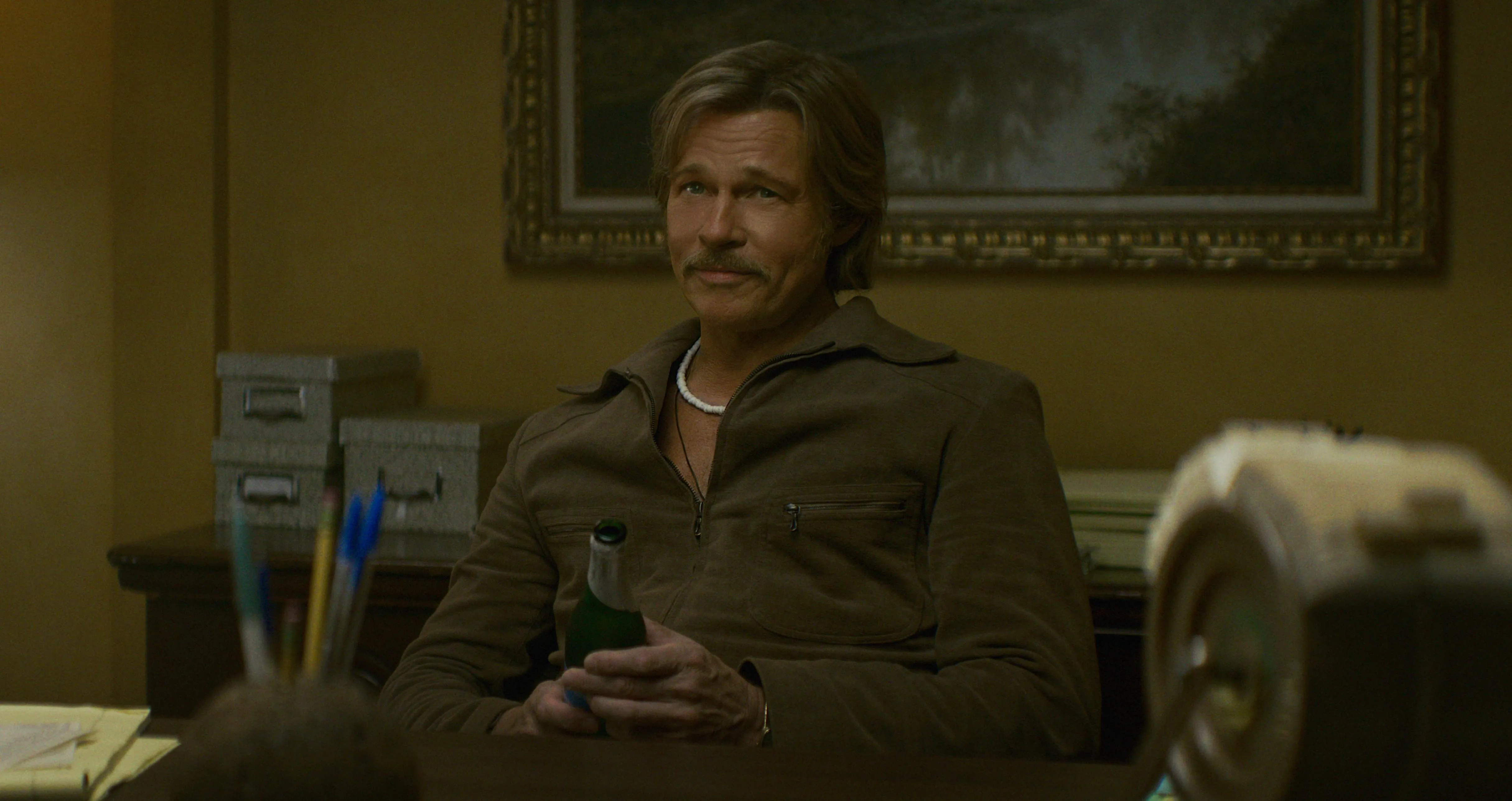
Introduction
Early screenings of David Fincher’s latest Netflix release have sparked a heated debate among critics and fans. Viewers are pointing to odd visual moments and inconsistent CGI, questioning whether generative AI tools were employed in the film’s production. While Netflix remains tight‑lipped, the controversy underscores a growing tension in Hollywood: the balance between cutting‑edge technology and the expectation of handcrafted filmmaking.
Why the AI Allegations Matter
Fincher is known for his meticulous, almost obsessive visual style. When a movie that bears his signature looks “off,” it invites scrutiny. Social‑media posts from creators such as YouTuber‑director Patrick Tomasso describe the film as containing “blatant and egregious AI use,” citing specific trailer frames that appear unnaturally rendered—for example, a horse‑drawn carriage scene where figures seem to be positioned backward. Whether these anomalies stem from rushed CGI, experimental visual effects, or actual AI‑generated assets, the reaction reveals a broader industry anxiety:
- Transparency: Audiences want to know when AI is part of the creative pipeline. Hidden use can feel deceptive, especially for directors whose brand is built on visual precision.
- Artistic Integrity: Critics worry that AI could dilute a director’s personal touch, turning nuanced storytelling into a series of algorithmic shortcuts.
- Industry Standards: As streaming platforms invest heavily in AI—Netflix’s $600 million acquisition of InterPositive being a prime example—there is a pressing need for clear guidelines on disclosure and credit.
The Context of Netflix’s AI Push
Netflix has been openly integrating AI tools to streamline post‑production tasks. InterPositive’s technology, for instance, is designed to adjust lighting, remove unwanted background elements, and generate supplemental assets from existing footage. The company markets these capabilities as ways to preserve a director’s vision while reducing costly reshoots. However, the lack of public confirmation about AI’s role in Fincher’s film fuels speculation. When a high‑profile director like Fincher, who recently said he is “not a Luddite,” appears open to AI, the line between experimentation and reliance becomes blurred.
What This Means for Filmmakers and Audiences
The controversy offers several takeaways for creators and viewers alike:
- Set Clear Expectations: Studios should consider labeling AI‑enhanced scenes, much like they credit visual effects houses today. Transparency can mitigate backlash and preserve trust.
- Maintain Creative Oversight: Directors can leverage AI as a tool without surrendering artistic control. Open dialogue about how AI fits into the workflow can reassure fans that the director’s aesthetic remains intact.
- Develop Industry Guidelines: Trade groups and guilds may need to draft standards for AI disclosure, credit attribution, and ethical usage, ensuring that technology serves the story rather than the other way around.
Closing Thoughts
Whether the visual oddities in Fincher’s new film are the result of AI, subpar CGI, or a deliberate stylistic choice, the conversation it has ignited is unmistakably real. As generative tools become more accessible, the industry will have to confront questions of authorship, transparency, and the evolving definition of craftsmanship. For now, the debate surrounding Fincher’s film serves as a litmus test for how audiences and creators will navigate the AI‑infused future of cinema.
Source
Read original sourceWhy we picked this
Discusses potential generative AI use in a high-profile film