Data centers lost the midterms
Voters nationwide pushed back on data‑center expansion in the 2026 midterms, prompting new moratoriums, stricter local controls, and a political realignment that could reshape the AI industry’s infrastructure.
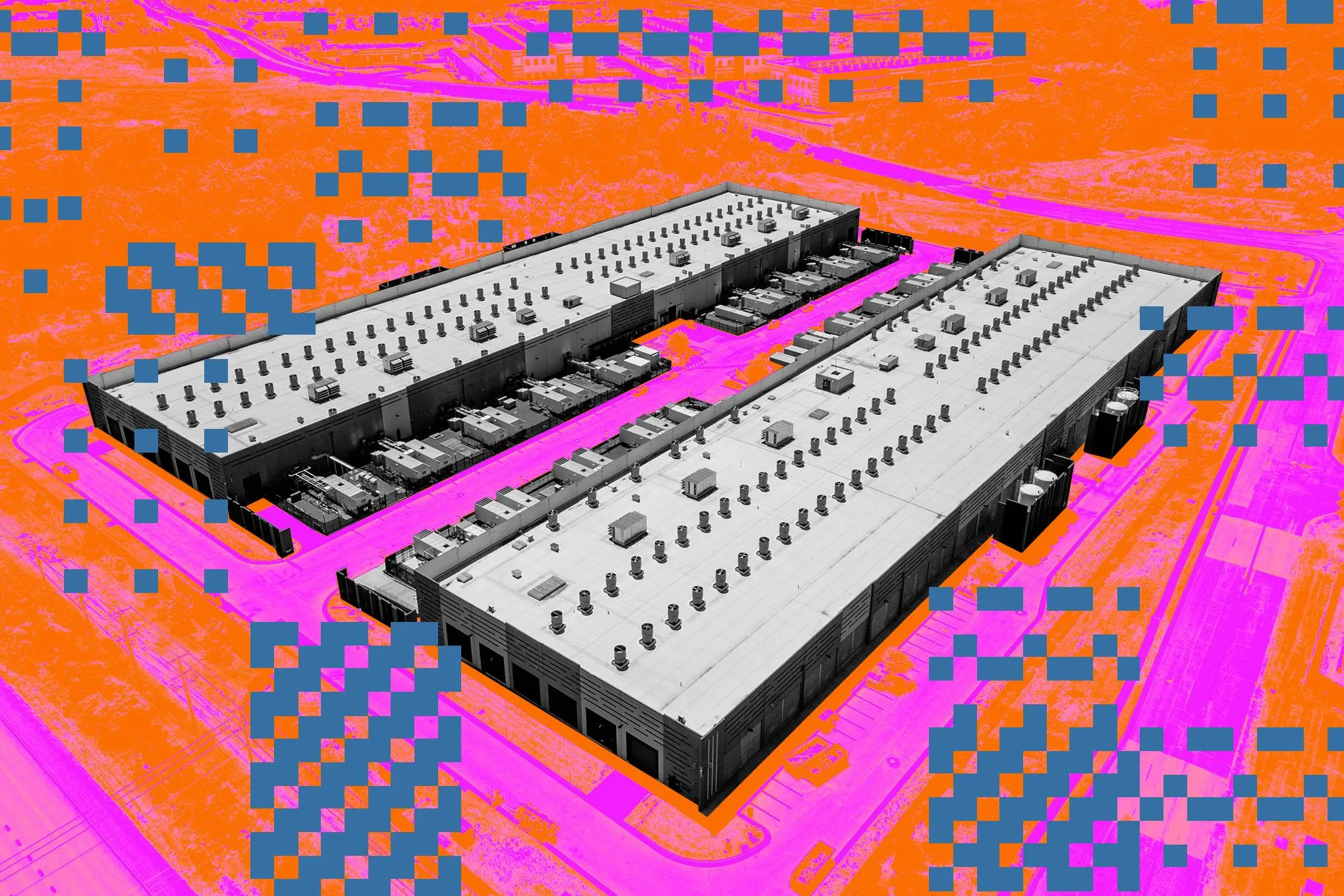
Data Centers Lost the Midterms
The 2026 midterm elections delivered a clear signal: Americans are growing wary of unchecked data‑center growth. Across the country, ballot measures, exit polls, and candidate platforms reflected a surge in opposition to large‑scale facilities that consume massive amounts of electricity and water. The result is a patchwork of new moratoriums, tighter local oversight, and a shift in political rhetoric that could reshape the backbone of the AI economy.
Ballot Measures Show a Nationwide Backlash
- 45 local measures asked voters directly about data‑center development; 33 have already passed with restrictions ranging from outright bans to time‑limited moratoriums.
- Examples include a 180‑day moratorium in Wells, Maine, bans on facilities over 25 MW in several Ohio cities, and a 10‑year ban on >10 MW sites in El Dorado, Kansas.
- Polls indicate that 76 % of respondents opposed new data‑center projects in their communities, underscoring a broad, grassroots concern.
These measures signal that local voters are no longer willing to accept data‑center expansion without concrete safeguards for energy use, water consumption, and environmental impact.
Candidates Adapted Their Stances Mid‑Campaign
Even candidates who previously championed data‑center growth were forced to address the issue as it rose in prominence:
- Texas: Democratic governor‑elect Gina Hinojosa backs a statewide moratorium, while outgoing Republican Greg Abbott moved toward an audit of data‑center grid connections.
- Florida: Republican governor‑elect Byron Donalds opposed outright bans but introduced the Protecting Ratepayers Act, requiring developers to fund their own energy and water infrastructure.
- Michigan: Senate winner Abdul El‑Sayed called for a pause on new facilities until federal protections are in place, contrasting with his opponent’s limited one‑year moratorium.
- Pennsylvania, Ohio, Nevada, and Georgia also saw candidates pivot, with incumbents tightening positions and challengers leveraging anti‑data‑center sentiment to win votes.
These shifts illustrate how data‑center policy has become a litmus test for broader concerns about climate, local control, and corporate influence.
Legislative Ripples and Future Guardrails
The electoral outcomes are already influencing policy proposals:
- Ratepayer Protection Acts in Congress aim to shift utility costs from the public to developers.
- Executive orders in Texas and Nevada now tie tax incentives to power‑cost coverage and environmental standards.
- State‑level moratoriums—though sometimes vetoed—are gaining traction, with Maine’s legislature narrowly missing a historic ban.
While not all races produced outright anti‑data‑center winners, the prevailing trend is a demand for greater transparency, local input, and financial responsibility from developers.
What This Means for the AI Industry
Data centers are the physical foundation of AI services, from large‑scale model training to cloud inference. The emerging regulatory landscape could:
- Slow the pace of new builds, especially for megawatt‑scale facilities.
- Increase capital costs, as developers must now budget for independent energy and water infrastructure.
- Drive innovation in sustainability, prompting investment in renewable power, heat‑recovery, and modular designs that meet stricter local standards.
- Shift geographic focus toward regions with more favorable policies or existing renewable capacity.
Companies that adapt early—by engaging communities, adopting greener technologies, and embracing transparent cost structures—will be better positioned to navigate the evolving environment.
---
Bottom line: The 2026 midterms have turned data‑center expansion from a largely technical issue into a political flashpoint. With voters and lawmakers demanding more oversight, the AI industry must prepare for a future where growth is balanced against environmental stewardship and local accountability.
Source
Read original sourceWhy we picked this
Discusses policy impact on AI-relevant data center expansion