Data centers are getting their own natural gas power plants
Data centers are increasingly building behind‑the‑meter natural‑gas plants to bypass slow grid connections, a trend that could lock in fossil‑fuel use and raise emissions and energy costs.
Introduction
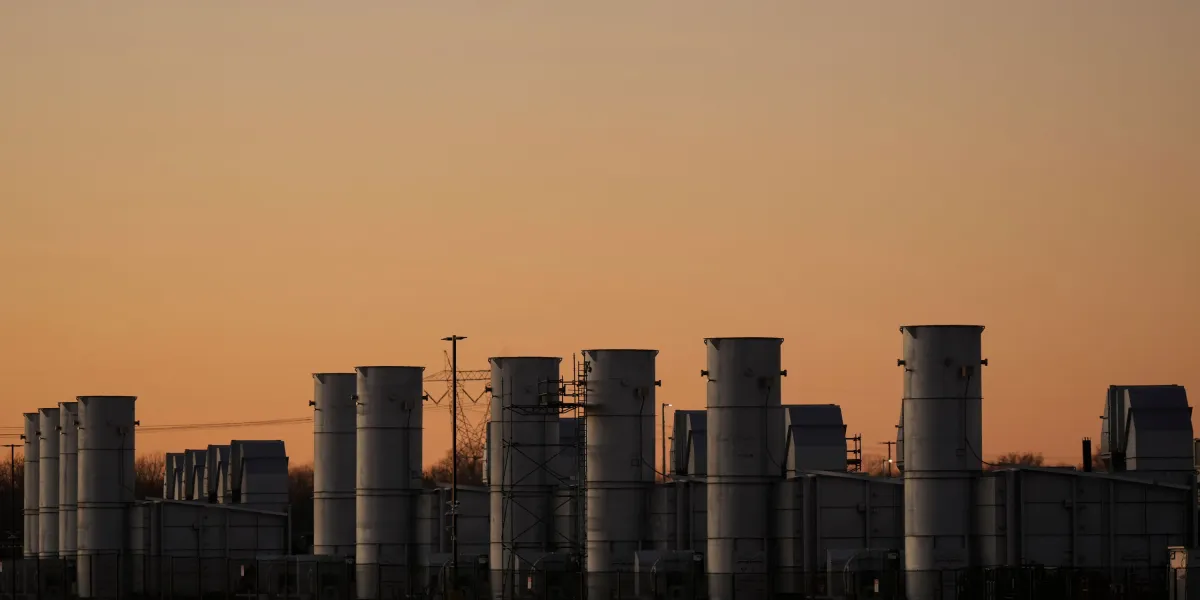
The rapid expansion of AI‑driven workloads is outpacing the ability of electric utilities to provide timely grid connections. To avoid multi‑year delays, a growing number of data‑center developers are turning to on‑site natural‑gas power plants. These behind‑the‑meter (BTM) facilities supply electricity directly to the data center, sidestepping the traditional utility meter. While this approach accelerates deployment, it also raises significant climate, economic, and policy concerns.
Why developers are going off‑grid
- Speed over cost – Securing a grid interconnection can take five to ten years, involving extensive studies, new transmission lines, and costly upgrades. Building a gas plant, though more expensive upfront, delivers power in months, matching the fast‑track timelines demanded by AI projects.
- Control and reliability – On‑site generation reduces dependence on grid congestion and potential outages, giving operators tighter control over power quality and availability.
- Temporary bridge – Many developers view BTM plants as a stop‑gap, planning to connect to the grid later while using the gas plant as backup or until the grid upgrade is complete.
Scale of the emerging gas rush
- Over 100 announced BTM gas projects in the United States as of October 2026, totaling more than 115 GW of planned capacity—roughly double California’s peak demand.
- Only a small fraction of these projects are currently operating (≈5 GW) or under construction (≈16 GW); the remainder remain proposals.
- Global announcements amount to about 181 GW, with 90 % earmarked for the U.S.
Environmental and economic implications
Emissions risk
- BTM plants are likely to use single‑cycle turbines, which are cheaper but less efficient than combined‑cycle units. This inefficiency translates into higher CO₂ emissions per megawatt‑hour.
- If all U.S. proposals materialize, annual emissions could reach 345 million metric tons CO₂e by 2035, roughly 150 million tons more than if the same load were supplied by the current grid mix—a difference comparable to the Netherlands’ total emissions.
Fossil‑fuel lock‑in
- Once built, operators have an incentive to keep the plants running to recoup capital costs, extending their operational life well beyond the intended bridge period.
- Increased natural‑gas demand can push wholesale gas prices higher, indirectly raising heating and cooking costs for millions of households.
Cost trade‑offs
- While BTM plants avoid grid‑connection fees and upgrade costs, they require substantial capital investment and ongoing fuel expenses.
- Integrating on‑site renewables and storage with the gas plant can reduce fuel use, but the economics are complex and depend on site‑specific factors such as land availability and regulatory incentives.
Looking ahead: Alternatives and policy levers
- Renewables + storage – Studies suggest that building solar, wind, and battery systems to meet data‑center demand can be both reliable and cheaper than relying on fossil fuels, especially as renewable costs continue to fall.
- Grid acceleration – Streamlining interconnection processes, expanding transmission capacity, and incentivizing utility upgrades could diminish the perceived need for BTM solutions.
- Regulatory oversight – Requiring environmental impact assessments for BTM projects and setting emissions caps can mitigate lock‑in risks.
- Hybrid designs – Combining smaller, high‑efficiency combined‑cycle turbines with renewable generation offers a compromise, delivering rapid power while limiting emissions.
Conclusion
The surge in behind‑the‑meter natural‑gas plants reflects the data‑center industry’s urgency to power AI workloads without waiting for grid upgrades. While this strategy delivers speed, it also threatens to entrench fossil‑fuel infrastructure, elevate greenhouse‑gas emissions, and increase energy costs for broader society. Policymakers, utilities, and developers must collaborate on faster grid interconnections and viable renewable‑plus‑storage solutions to ensure that the AI boom does not come at the expense of climate goals and affordable energy.
Source
Read original sourceWhy we picked this
Focuses on off‑grid power for AI‑heavy data centers, a meaningful AI infrastructure topic.