Data center backlash is uniting America
Data‑center opposition is becoming a decisive, cross‑party issue in 2026 U.S. elections, shaping campaign messages and policy proposals from Texas to Florida and Pennsylvania.
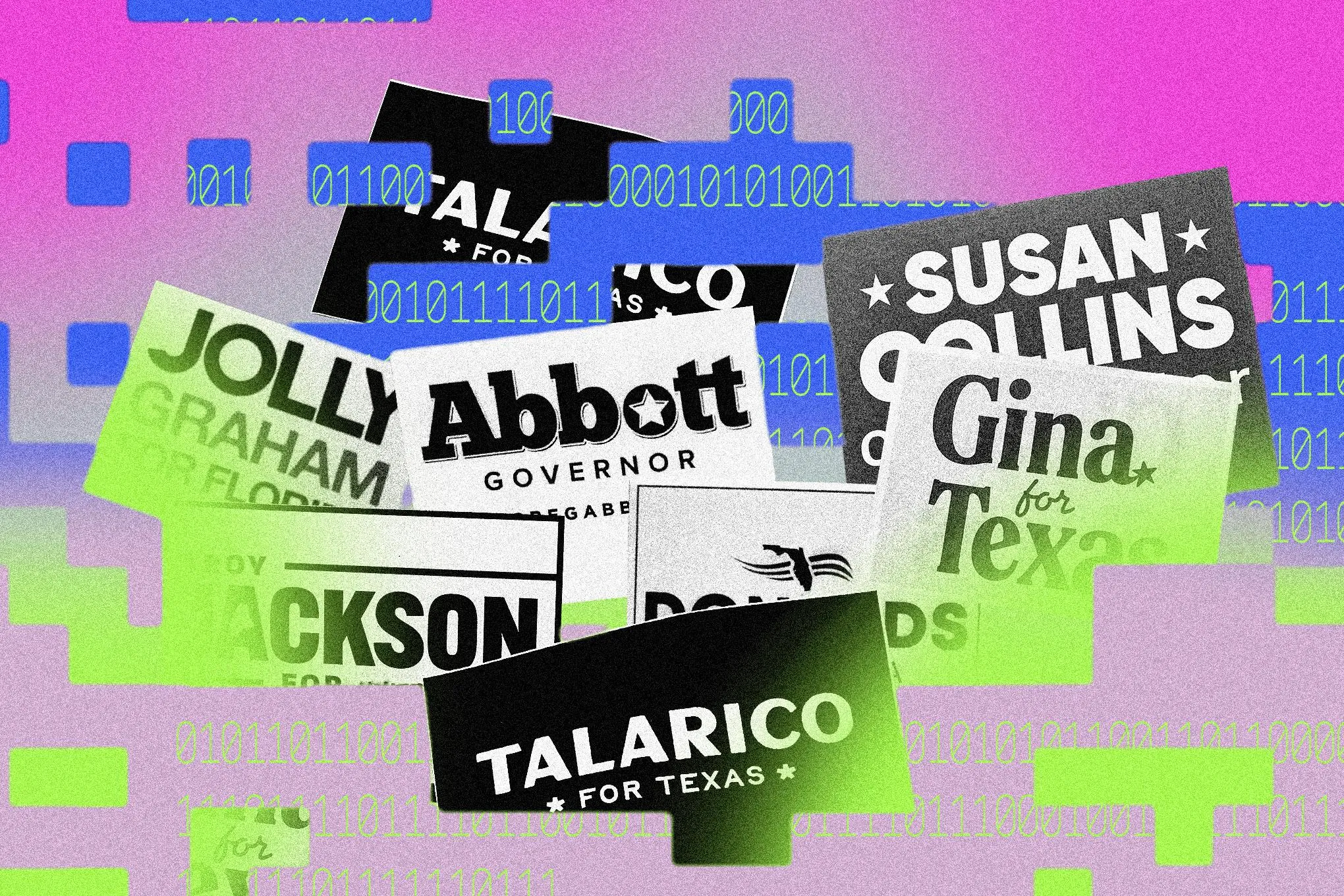
Data‑Center Backlash Is Uniting America
The rapid expansion of massive server farms has turned into a surprisingly unifying political flashpoint in the 2026 midterms. Across the country, voters are confronting the same concerns—energy use, water consumption, tax breaks, and the perceived encroachment of AI‑powered facilities on their neighborhoods. Candidates from both parties are now forced to address these worries, crafting distinct but overlapping policy pitches that range from stricter local control to outright moratoriums.
---
Why Data Centers Matter to Voters
- Environmental footprint – Large facilities draw significant electricity and water, prompting fears about grid strain, higher utility bills, and depleted local resources.
- Economic incentives – Tax abatements and subsidies that attract developers are increasingly viewed as corporate handouts that bypass ordinary taxpayers.
- AI safety concerns – As data centers power more advanced AI models, communities worry about the societal impacts of unchecked AI deployment.
- Local autonomy – Residents want a say in whether a data center can be built next to their homes, schools, or farms.
These issues cut across traditional partisan lines, creating a rare consensus that data‑center development must be reined in.
---
Campaign Strategies in Key Battlegrounds
Texas: Energy‑Focused Accountability
- Democratic State Rep. James Talarico proposes a "Hold Data Centers Accountable" plan that ends sales‑tax incentives, mandates closed‑loop water systems, and introduces a federal energy‑grid protection standard. He also backs an "AI Dividend" funded by a tax on AI‑related profits.
- Republican Attorney General Ken Paxton counters with a "Texas First Data Center" agenda that repeals tax breaks, forces facilities to pay for electricity, and bans Chinese‑origin technology. He adds a criminal‑liability provision for AI systems that threaten child safety.
Both candidates converge on removing tax perks and shifting cost burdens onto developers, even as they differ on the role of federal versus state regulation.
Florida: The Ban vs. Guardrails Debate
- Democrat David Jolly pledges a one‑year moratorium on hyperscale data centers, hinting at a permanent ban if voter sentiment remains hostile.
- Republican Byron Donalds adopts a more moderate stance, introducing the "Protecting Ratepayers Act" to require developers to fund their own energy and water usage while opposing a total ban.
Polling shows a clear majority of Floridians oppose data centers in their own communities, yet Donalds maintains a lead, illustrating the tension between local opposition and broader electoral dynamics.
Pennsylvania: From Promotion to Pause
- Governor Josh Shapiro once celebrated a $20 billion Amazon investment but later signed an order banning nondisclosure agreements for developers and removed AI‑related projects from fast‑track approval.
- Treasurer Stacy Garrity has shifted from touting rural sites as ideal locations to supporting a three‑year development pause, emphasizing community engagement over top‑down approvals.
Both sides now frame data‑center policy as a matter of transparency and community consent, moving away from the earlier growth‑centric narrative.
---
The Role of Money and Super PACs
Tech‑aligned super PACs are pouring millions into these races, hoping to shape policy outcomes favorable to continued AI infrastructure growth. Groups such as Leading the Future (backed by venture capitalists) and Public First Action (Anthropic‑supported) have spent tens of millions on both Democratic and Republican candidates. Meanwhile, newer PACs like Tomorrow Together are explicitly targeting data‑center and AI‑safety messaging, funding ads that warn of unchecked development.
This influx of money underscores how data‑center policy is no longer a niche concern but a national political commodity.
---
What Voters Can Expect Going Forward
- More local referenda – Expect municipalities to push for ballot measures that give residents direct control over data‑center permits.
- Tax‑incentive rollbacks – Both parties are likely to propose legislation that eliminates or reduces tax breaks for data‑center projects.
- Environmental safeguards – Closed‑loop water systems, renewable‑energy sourcing, and grid‑impact assessments will become standard policy language.
- AI‑related revenue models – Concepts like an "AI Dividend" may appear in campaign platforms as a way to redistribute profits from AI‑driven data centers.
The backlash is turning data‑center development into a litmus test for broader concerns about AI, climate policy, and corporate influence.
---
Closing Thoughts
While the specifics of each candidate’s plan differ, the underlying message is clear: Americans across the political spectrum are demanding greater accountability for the digital infrastructure that powers modern life. As the 2026 elections unfold, data‑center policy will likely serve as a bellwether for how the nation balances technological progress with community welfare and environmental stewardship.
Source
Read original sourceWhy we picked this
Focuses on societal and political backlash against AI data centers, a relevant AI policy issue.