China reportedly recruited AI exec to spy on Jensen Huang
China’s intelligence service allegedly recruited a Megaspeed executive to gather information from Nvidia’s CEO, prompting congressional scrutiny.
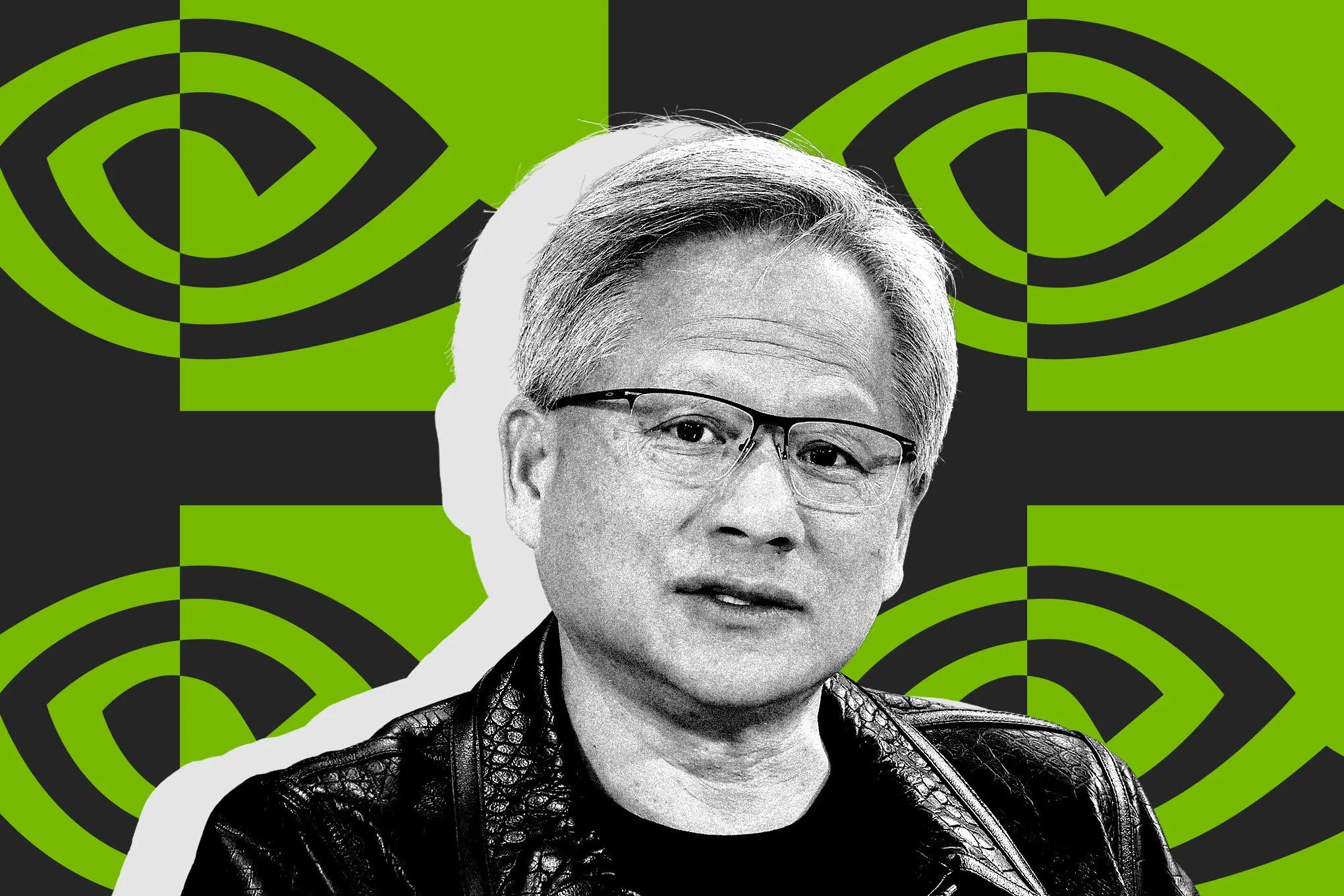
China’s Alleged Spy Recruitment Targeting Nvidia’s CEO
Recent reporting suggests that China’s Ministry of State Security (MSS) enlisted Alice Huang, an executive at the AI‑focused firm Megaspeed, to obtain intelligence from Nvidia CEO Jensen Huang. The alleged operation underscores the growing geopolitical stakes surrounding advanced AI chip technology and raises questions about corporate‑government intersections in the United States.
The Reported Recruitment
According to a New York Times article cited by multiple outlets, the MSS approached Alice Huang because of her close professional relationship with Jensen Huang. Megaspeed is a known customer of Nvidia and maintains ties with senior figures across the AI‑chip ecosystem, including companies such as Gigabyte. The report claims that the Chinese agency sought details on American AI chips and aimed to influence Nvidia’s product roadmap to make its most advanced offerings available to China.
Why Jensen Huang Matters
Nvidia is a dominant player in the high‑performance computing market, supplying GPUs that power everything from data‑center AI workloads to consumer gaming rigs. Jensen Huang, as the company’s founder and public face, is frequently consulted by policymakers and industry leaders on matters of technology policy and national security. His insights into Nvidia’s roadmap are therefore of strategic interest to foreign intelligence services seeking to narrow the gap between U.S. and Chinese AI capabilities.
Political and Legislative Response
The disclosure prompted a swift reaction from the U.S. Congress. Three House committees issued a joint request for Jensen Huang to appear for a closed‑door briefing concerning his interactions with Alice Huang. Lawmakers are seeking clarity on whether any classified or sensitive information was shared and how such relationships might affect U.S. export controls on advanced semiconductor technology.
Broader Implications for the Tech Industry
The episode highlights several trends shaping the current tech landscape:
- Heightened Scrutiny of International Partnerships – Companies with deep ties to critical supply chains are increasingly subject to government oversight, especially when foreign actors are perceived to be leveraging personal connections for espionage.
- Export‑Control Pressures – The U.S. has tightened restrictions on the export of cutting‑edge AI chips to China. Allegations of insider information being funneled to Chinese authorities could accelerate calls for stricter compliance regimes.
- Corporate Governance Challenges – Executives must balance the benefits of industry networking with the risk of becoming conduits for foreign intelligence. Robust internal policies and clear reporting channels are essential to mitigate these risks.
What Comes Next?
While the full details of the alleged recruitment remain unverified, the situation serves as a reminder of the delicate balance between open innovation and national security. Stakeholders—including corporate leaders, policymakers, and security agencies—will need to navigate this terrain carefully, ensuring that collaboration does not compromise strategic interests.
---
This article synthesizes publicly available information without introducing new quotations or unverifiable claims.
Source
Read original sourceWhy we picked this
Geopolitical espionage involving AI executives, relevant to AI policy and security.