Can AI help solve the COBOL code crisis?
AI shows promise for translating COBOL code, but technical, testing, and organizational hurdles mean it’s not yet a reliable solution for modernizing critical legacy systems.
Can AI Help Solve the COBOL Code Crisis?
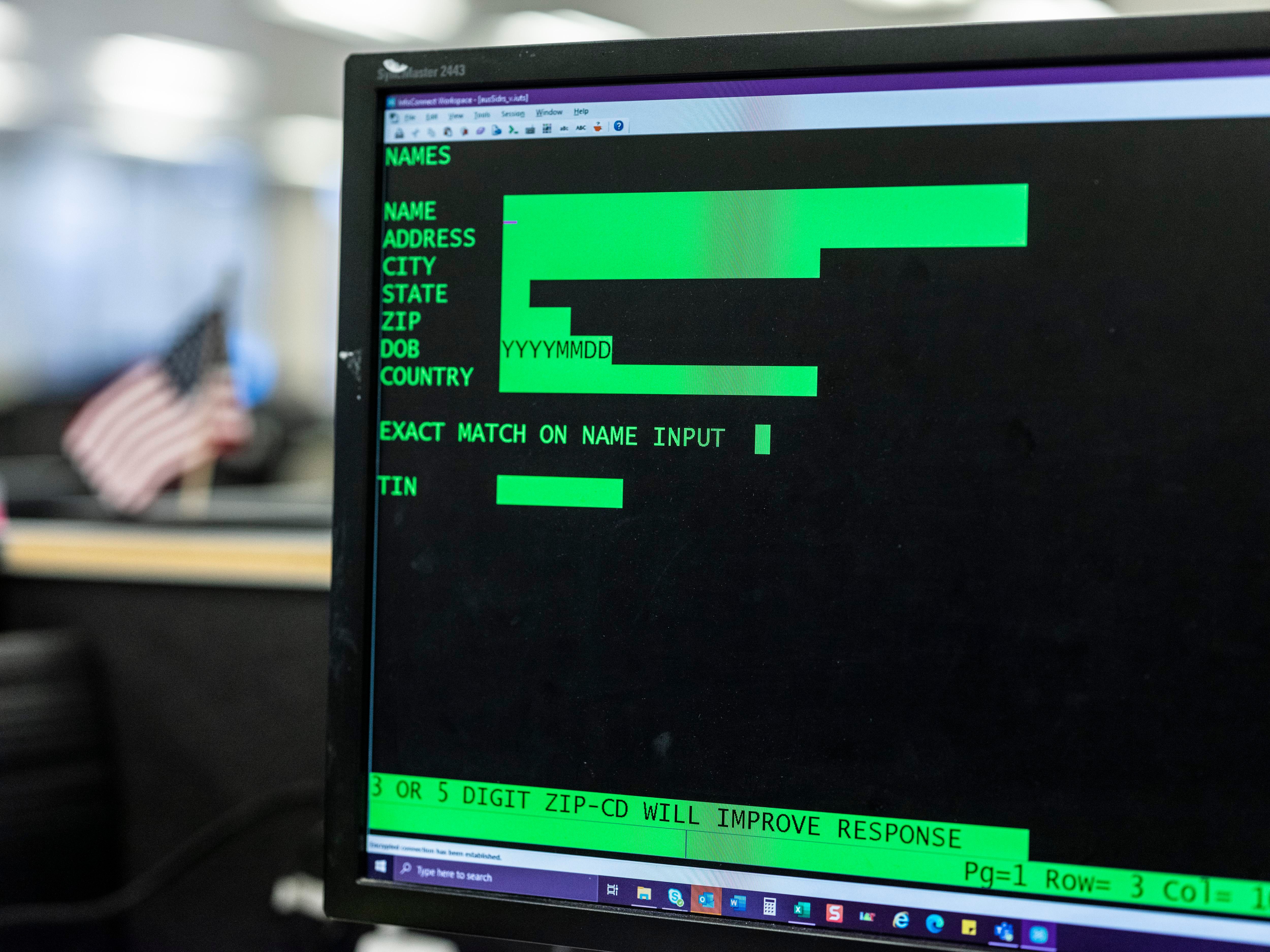
COBOL, the 1959‑born language that still powers banking, tax, and government systems, is facing a talent shortage as the few remaining experts retire. The cost of maintaining these legacy platforms runs into billions, prompting AI companies to tout code‑migration tools as a potential lifeline. While recent demos from OpenAI and Anthropic suggest AI can translate COBOL into modern languages, experts caution that the technology is far from ready to replace or reliably modernize mission‑critical systems.
Why COBOL Remains a Problem
- Ubiquity – Over 40 % of online banking, 80 % of in‑person credit‑card transactions, and the majority of ATM operations still rely on COBOL.
- Aging Workforce – Most developers who understand the language have left the industry, leaving organizations with a knowledge gap.
- High Stakes – Even minor behavioral changes after a migration can break essential services, making exhaustive testing mandatory.
What AI Tools Are Claiming
- OpenAI – In a recent blog post the company reported that its latest models achieved up to 98 % behavior‑preservation accuracy when translating COBOL to languages such as Java, Python, and Rust. The claim hinges on passing all existing test suites.
- Anthropic – Introduced Claude Code and a “code modernization playbook,” positioning AI as a cost‑effective way to move COBOL codebases to newer stacks.
Both firms emphasize speed and reduced manual effort, but they stop short of demonstrating end‑to‑end system migration on real‑world, multi‑language environments.
Expert Concerns
- Granular Decomposition – Legacy systems are rarely a single monolithic codebase. They intertwine COBOL with other languages, custom data formats, and external integrations. Breaking these into replaceable units is a complex engineering task that AI has not yet mastered.
- Testing Gaps – Existing benchmarks focus on isolated code snippets with well‑defined test suites. Real systems require integration, performance, and security testing that go beyond unit‑level checks.
- Understanding System Behavior – Knowing what the code does is as important as translating how it does it. Professors of software evolution stress that many legacy systems lack comprehensive documentation, making automated translation risky.
- Verification Overhead – Formal verification and automated regression testing can catch translation errors, but implementing these at scale demands significant effort and expertise.
A Pragmatic Path Forward
- Hybrid Approach – Use AI to generate initial translations and documentation, then have experienced engineers review and validate the output.
- Incremental Migration – Target low‑risk components first, establishing a robust testing pipeline before tackling core transaction processing modules.
- Invest in Tooling – Build custom test harnesses that mirror production workloads, ensuring that any behavioral drift is caught early.
- Knowledge Capture – Leverage AI to extract domain knowledge from existing COBOL code, creating living documentation that can aid future maintenance.
Bottom Line
AI‑driven code translation is an exciting development that could reduce the manual labor involved in modernizing COBOL systems. However, the technology currently addresses only a narrow slice of the problem: converting syntactically correct code while preserving test‑suite outcomes. The real challenge lies in safely decomposing, testing, and integrating these translations within complex, high‑availability environments. Until AI can reliably handle those broader concerns, organizations will need to combine automated tools with seasoned human oversight to navigate the COBOL crisis.
Source
Read original sourceWhy we picked this
Significant AI application to legacy COBOL code, relevant tool development