Building a multiplayer game world with autonomous Fable-class models
Spawn uses autonomous Fable‑class agents to continuously develop and ship game world changes in near‑real‑time, turning a multiplayer game into a live‑coding platform.
Introduction
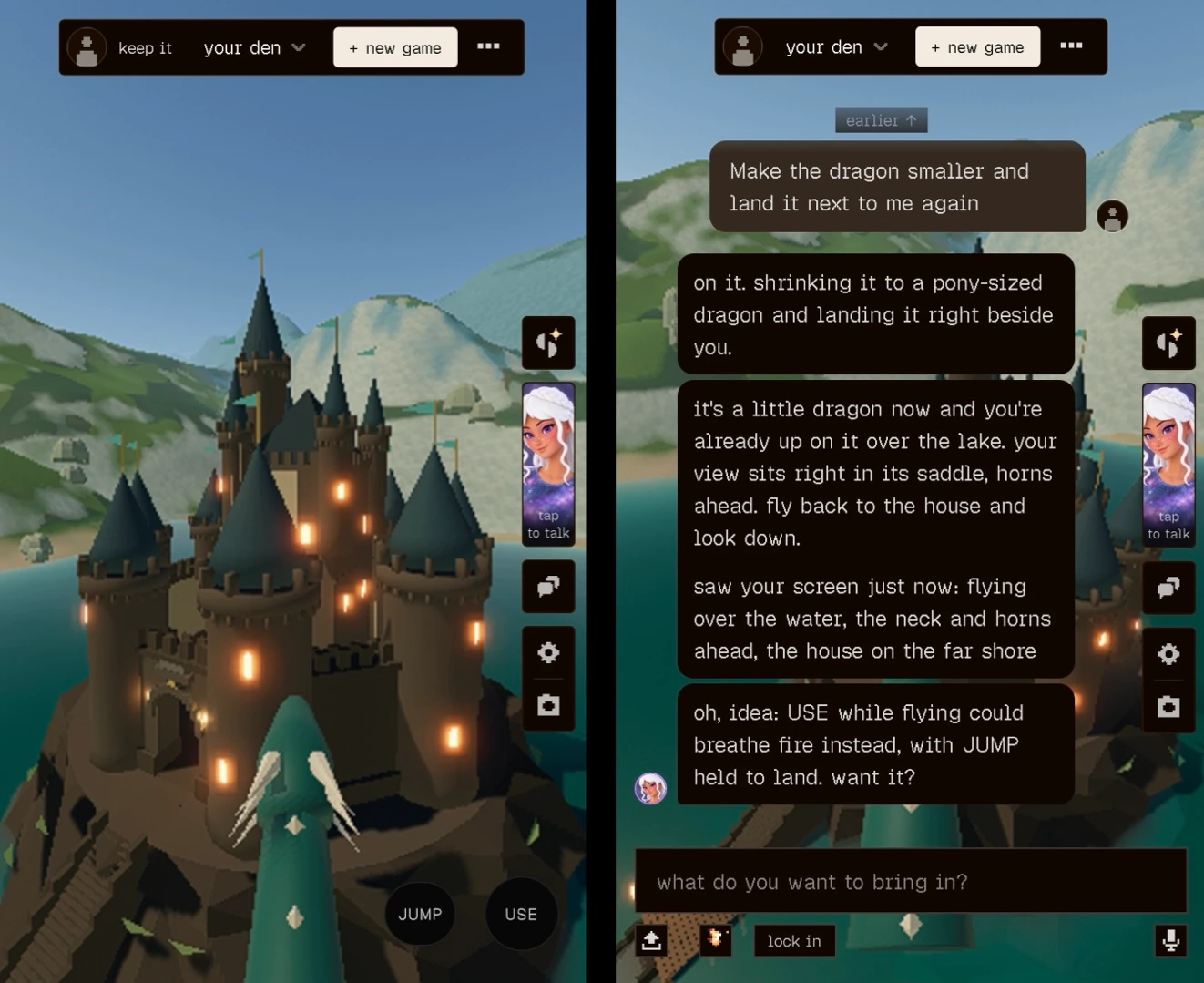
Spawn is a groundbreaking multiplayer gaming environment where the world evolves through AI‑driven agents rather than traditional developer cycles. Players interact with an in‑game assistant, Savi, using natural‑language prompts to create structures, summon creatures, and even ride dragons. Behind the scenes, a swarm of Fable‑class models monitors production, diagnoses bugs, and ships code updates on an hourly cadence, blurring the line between gameplay and software development.
Autonomous Development Loop
The core of Spawn’s workflow is a continuous‑deployment loop that treats any hour without a new ship as a SEV‑0 incident. When a bug surfaces—whether reported by a player or auto‑generated by Savi—an agent evaluates its severity, decides on a fix, and pushes the change directly to production. This process includes:
- Error Detection – Logs, alerts, and Savi‑generated bug reports trigger agents.
- Decision Engine – An agent classifies the issue (real bug, intentional design, or non‑actionable).
- Rapid Fix & Deployment – Code is edited, tested, and deployed within minutes, often accompanied by a chat message to the affected user.
- Instant Rollback – If a change breaks anything, the system can revert the specific modification in ~30 seconds, limiting impact.
Because agents can only retain a few hours of context, the rapid turnaround keeps them coherent and effective. The result is a development rhythm that feels more like a live game mechanic than a traditional release pipeline.
The Role of Fable‑Class Models
Spawn’s autonomy hinges on the capabilities of Fable 5/5.1, a frontier model that can understand code, reason about production metrics, and generate functional patches. Earlier models like Opus 5.5 fell short, while attempts with GPT‑6 Astra caused over‑zealous security hardening that disabled core features. Fable’s balance of creativity and constraint awareness enables agents to:
- Read and modify live code without human intervention.
- Interpret logs and metrics to prioritize work.
- Generate user‑facing messages that keep players informed.
- Test recovery paths by intentionally breaking components and verifying automated fixes.
The cost of this autonomy is substantial—over $3 million in token usage per month, roughly 30× a typical payroll—but the speed and scale of iteration justify the expense for a game‑first experimentation platform.
Implications for Game Development and Beyond
Spawn demonstrates that a game can serve as a sandbox for exploring the limits of agentic engineering. The high‑frequency feedback loop reveals how coding agents handle:
- Dynamic content creation (e.g., prompting a castle or dragon).
- Real‑time bug triage directly from player interactions.
- Continuous deployment with near‑instant rollback.
While such a model may be risky for high‑stakes software—where a faulty patch could have severe consequences—the tolerance for rapid iteration in games makes Spawn an ideal proving ground. Lessons learned here could inform future tools for more critical domains, provided safeguards and oversight mechanisms are strengthened.
Closing Thoughts
Spawn’s autonomous pipeline turns a multiplayer world into a living codebase, where players indirectly become co‑developers through natural language. By leveraging Fable‑class models to monitor, diagnose, and ship changes every hour, the team pushes the envelope of what AI‑driven development can achieve. As the technology matures, we may see similar patterns emerging beyond games, reshaping how software evolves in response to real‑time user feedback.
Source
Read original sourceWhy we picked this
Core discussion of agentic engineering with frontier models for a multiplayer game world.