Blue Planet III is keeping the rough edges in the age of AI
Blue Planet III deliberately keeps imperfect footage to showcase authentic ocean life in an era where AI‑generated polish can feel deceptive.
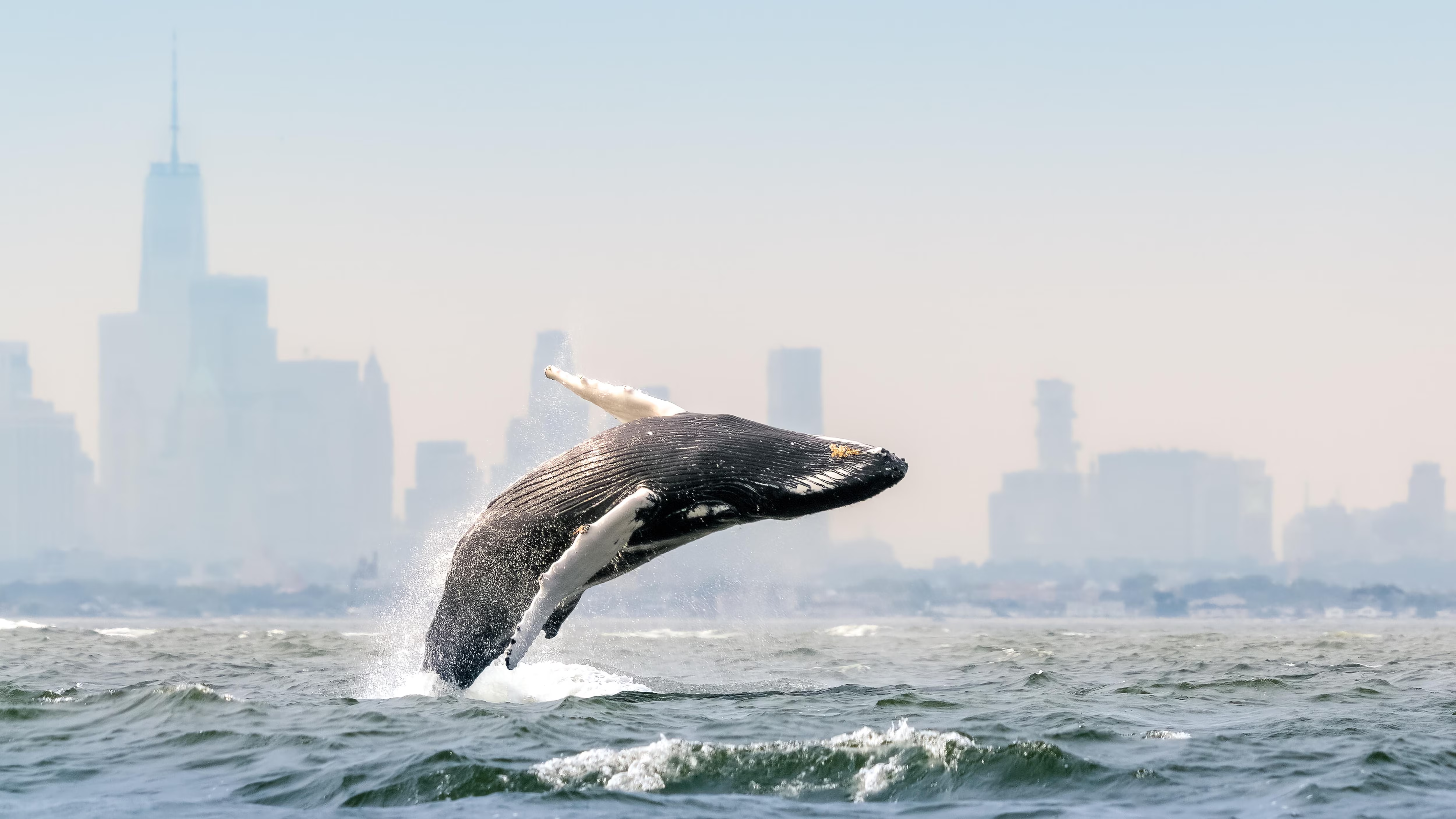
Blue Planet III Embraces Imperfection in the Age of AI
The latest installment of the BBC’s flagship nature series, Blue Planet III, takes a surprising turn: instead of polishing every frame to cinematic perfection, the producers are leaving in the “warts” that would normally be edited out. In a media landscape increasingly dominated by AI‑enhanced visuals that can look too smooth to be real, the series opts for a raw, unfiltered view of the ocean to remind viewers that nature’s beauty often lies in its messiness.
Why the Rough Edges Matter
Previous seasons of Blue Planet set a high bar for crystal‑clear imagery, but that very clarity can raise suspicions about the authenticity of the footage. When AI tools are used to clean up grain, stabilize shots, or even generate entirely synthetic scenes, audiences may wonder what’s genuine and what’s fabricated. Executive Producer Elizabeth White explains that the decision to retain imperfect shots is a conscious counter‑measure: by showing moments of murky water, stray buoys, or less‑than‑ideal lighting, the series signals that what you’re seeing is unaltered reality.
Highlighting Unscripted Ocean Behavior
Blue Planet III delivers several striking examples that benefit from this approach:
- Dolphin engineering: A sequence captures dolphins using sea sponges to plug holes in coral reefs, a behavior that would be difficult to stage or enhance without losing its spontaneity.
- Inter‑species communication: Footage shows a school of fish responding to the rhythmic clicks of a nearby whale, illustrating complex cross‑species signaling that feels more credible when the visual quality mirrors the ocean’s natural variability.
- Crab formations: An awe‑inspiring shot of 200,000 crabs lining up on a tidal flat demonstrates collective behavior that would lose its impact if overly smoothed.
By preserving the imperfect lighting and occasional background clutter, the series lets these moments breathe, reinforcing the idea that the ocean’s most remarkable phenomena are often messy, unpredictable, and beyond what any AI could fully anticipate.
A Statement Against Over‑Polished AI Aesthetics
The decision resonates beyond documentary filmmaking. In the broader tech conversation, AI‑generated imagery is praised for its ability to remove noise, correct colors, and even fill in missing details. Yet, when the result is too flawless, it can feel artificial—an uncanny valley of visual media. Blue Planet III offers a practical lesson: authenticity sometimes requires embracing imperfection.
For creators working with AI, the series suggests a workflow that includes intentional “noise”—whether that’s retaining grain, preserving natural shadows, or leaving in environmental artifacts. This approach can help maintain trust with audiences who are increasingly skeptical of overly polished content.
What Viewers Can Take Away
- Appreciate the real: The series reminds us that nature’s most compelling stories are often found in the unedited moments.
- Question visual perfection: When a nature documentary looks too perfect, consider the possibility of AI enhancement.
- Embrace messiness in creation: Whether you’re a filmmaker, a content creator, or a marketer, allowing some rough edges can enhance credibility.
Blue Planet III isn’t just a celebration of marine life; it’s a subtle critique of the current AI‑driven visual culture. By choosing authenticity over artificial smoothness, the series invites viewers to look beyond the surface and trust the raw, unfiltered beauty of the world’s oceans.
---
Blue Planet III demonstrates that sometimes the most powerful storytelling comes from letting nature speak for itself—warts and all. This philosophy offers a valuable blueprint for anyone navigating the fine line between technological enhancement and genuine representation.
Source
Read original sourceWhy we picked this
Discusses AI-generated media authenticity, a meaningful AI news angle