Apple starts giving Siri AI access to third-party apps
Apple’s iOS 27.3 update lets Siri AI act across third‑party apps, using context and on‑screen awareness to handle more natural requests.
Introduction
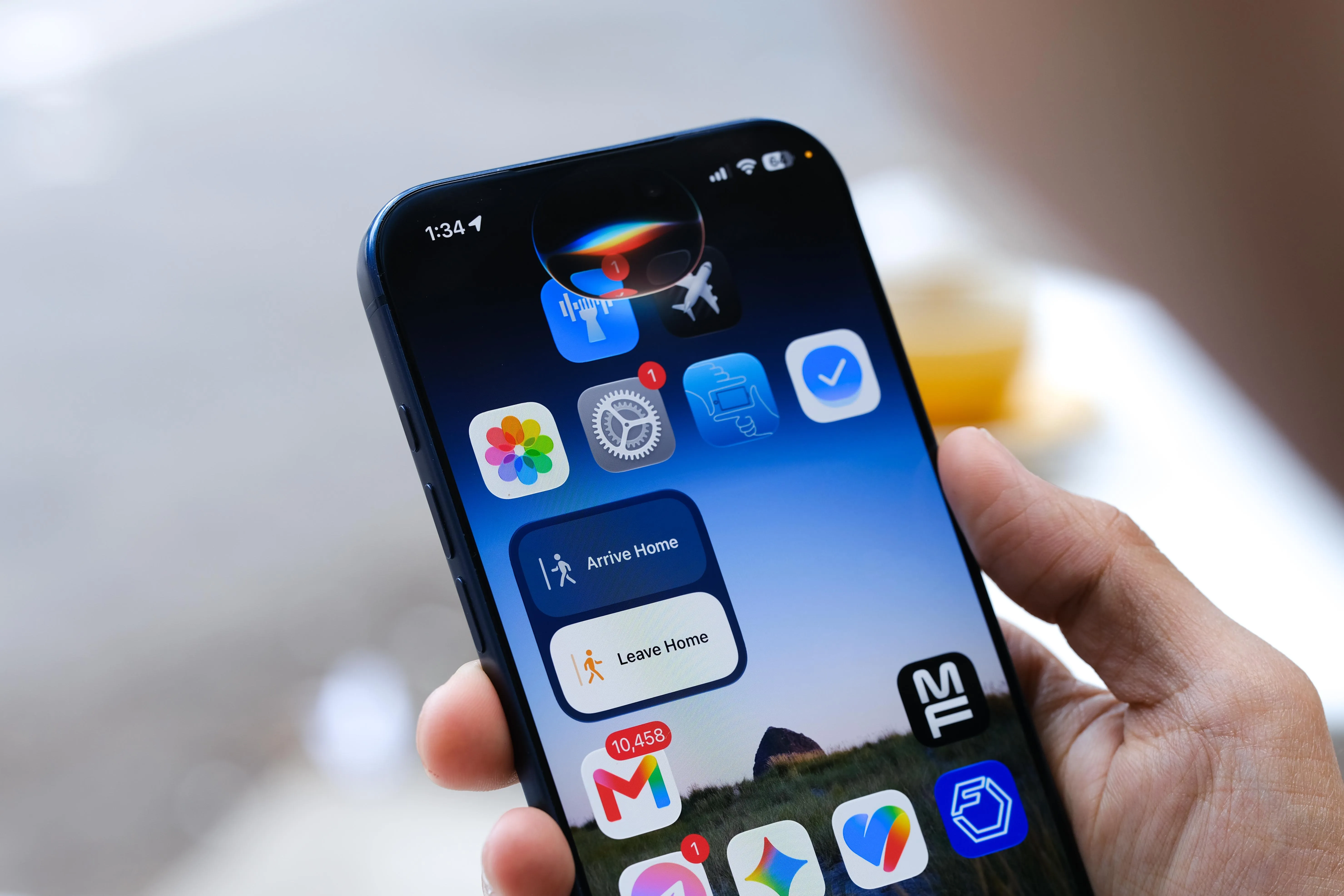
Apple announced that the upcoming iOS 27.3 update expands Siri’s artificial‑intelligence capabilities beyond Apple‑owned apps. Developers can now embed Siri AI into any app, allowing the voice assistant to understand contextual cues, process natural‑language prompts, and interact with on‑screen elements without the user having to name the app explicitly. This shift marks a significant step toward a more unified, conversational experience across the iPhone ecosystem.
How Siri AI Works Across Third‑Party Apps
The new "app skills" framework lets developers define a set of actions that Siri can invoke within their apps. When an app is in the foreground, active in a Live Activity, or part of an ongoing Siri conversation, the assistant can infer the target app from the user’s request. For example, a user could say, "Hey Siri, change my ride pickup to a new address," and Siri would locate the ride‑share app, adjust the request, and confirm the change—all without the user mentioning the app’s name.
Key technical enhancements include:
- Personal context integration – Siri can draw on a user’s recent activity, location, and preferences stored on the device.
- On‑screen awareness – The assistant can read UI elements, such as buttons or fields, to complete tasks that would normally require manual interaction.
- Natural‑language understanding – Improved language models enable more flexible phrasing, reducing the need for rigid command structures.
Developers access these features through updated APIs in Apple’s developer documentation, where they can map specific UI components to Siri‑recognizable actions. The approach mirrors Apple’s earlier limited rollout of third‑party Siri shortcuts but scales it to a broader set of interactions.
Expanded Reach Within Apple’s Own Apps
Apple is applying the same AI enhancements to its native suite of applications, including Calendar, Files, Mail, Maps, Messages, Music, Notes, Photos, Safari, Shortcuts, and Weather. Users can now ask Siri to locate a coffee shop they visited last week, archive files that haven’t been opened in a year, or adjust a reminder based on recent events. The assistant also offers an in‑app help prompt—"What can Siri do in this app?"—to guide users through newly available actions.
These improvements aim to make everyday tasks feel more conversational and less dependent on precise wording. By leveraging on‑device processing, Apple maintains its privacy‑first stance while delivering richer functionality.
Practical Implications for Users and Developers
For users, the update promises a smoother workflow:
- Fewer steps – Routine actions like booking a ride, updating a calendar event, or adjusting a smart‑home device can be completed with a single spoken request.
- Contextual relevance – Siri tailors responses based on what the user is currently doing, reducing the need to repeat information.
- Privacy assurance – All processing occurs on the device, keeping personal data out of the cloud.
For developers, the new APIs open opportunities to deepen engagement:
- Enhanced discoverability – Users can discover app features through natural conversation rather than navigating menus.
- Competitive parity – Smaller developers gain access to AI capabilities previously limited to Apple’s own apps.
- Implementation considerations – Developers must map UI elements accurately and test edge cases to ensure reliable voice interactions.
Looking Ahead
Apple’s move to integrate Siri AI across the entire app ecosystem reflects a broader industry trend toward conversational interfaces. While competitors like Google and Amazon have long offered voice assistants that operate across third‑party services, Apple’s emphasis on on‑device processing and privacy differentiates its approach.
The rollout begins as a developer preview, with a broader public release expected later in the year. As developers experiment with "app skills," we can anticipate a wave of innovative voice‑first experiences that blur the line between manual and spoken interaction.
--- Apple’s iOS 27.3 update is a pivotal step toward a more seamless, AI‑driven mobile experience, giving users the ability to control a wider range of apps through natural conversation while preserving the privacy standards that have defined the platform.
Source
Read original sourceWhy we picked this
Core AI news about Siri AI integration with third‑party apps.