Apple is racing to make Siri more agentic
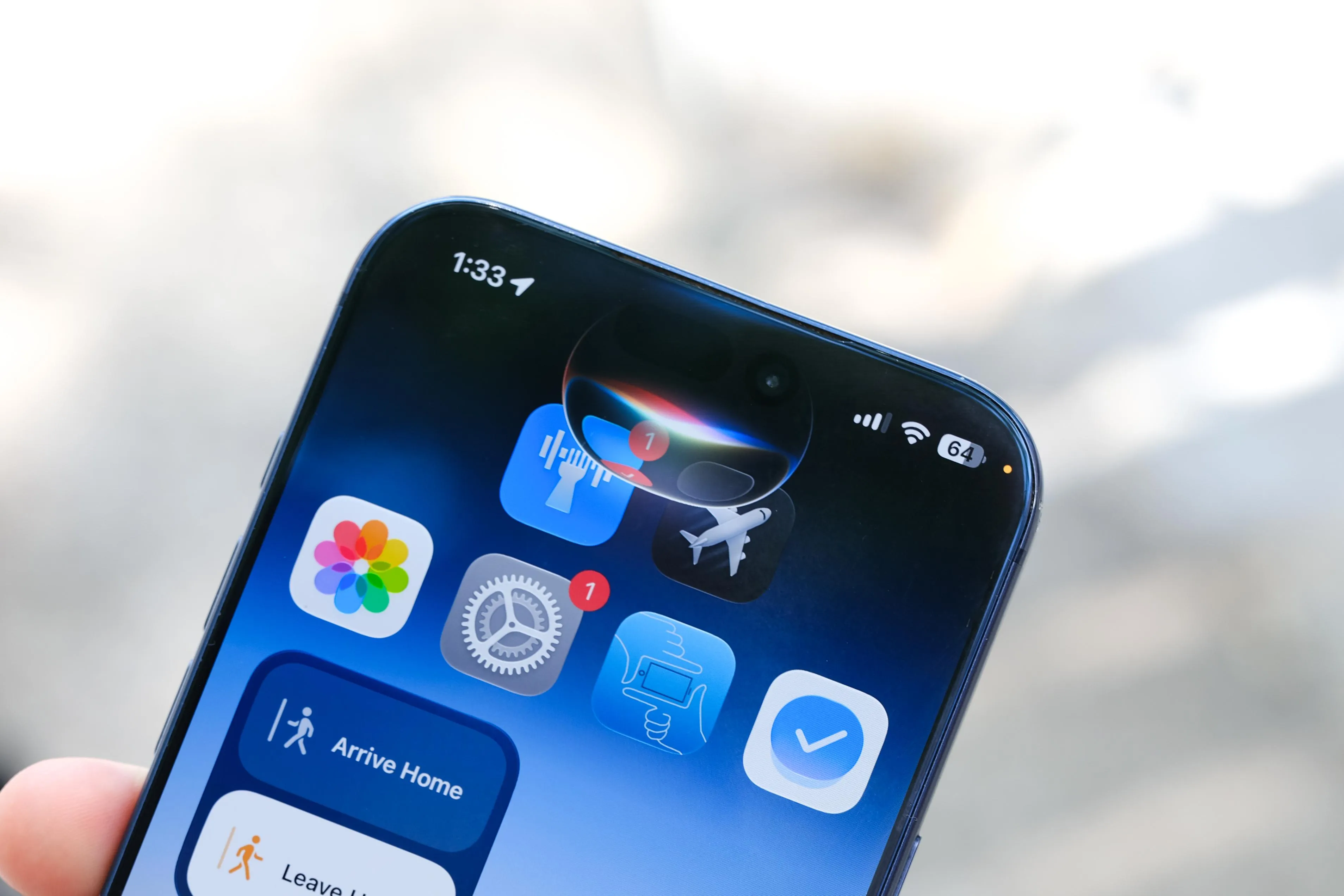
Apple is accelerating Siri’s evolution toward a more autonomous AI agent that can control first‑party and third‑party apps and handle multi‑step tasks.
Introduction
Apple is stepping up its AI game, aiming to transform Siri from a reactive voice assistant into a more autonomous, "agentic" platform. Industry insiders suggest that upcoming iOS updates will give Siri finer control over Apple’s own apps and, later, the ability to interact with third‑party services, positioning the assistant to compete with emerging AI agents from OpenAI, Meta, and others.
Fine‑grained control of Apple apps
The first wave of enhancements is slated for the near‑term iOS release (iOS 27.3). Siri will gain the ability to perform detailed actions within Apple’s native ecosystem:
- Photos: rotate, crop, and organize images without opening the app.
- Safari: manage tabs, bookmark pages, and perform searches on the user's behalf.
- Other first‑party apps: similar task‑level commands that streamline everyday workflows.
These improvements aim to make Siri feel more like a true helper, reducing the friction of manually navigating menus.
Opening the door to third‑party integration
A larger update is expected in the spring, extending Siri’s reach beyond Apple’s own software. By integrating with popular services such as Grubhub, OpenTable, and potentially many more, Siri could:
- Place food orders.
- Book restaurant reservations.
- Initiate rides, manage smart‑home devices, and interact with productivity tools.
This expansion mirrors the capabilities of competing AI agents that can maintain context across multiple steps, allowing users to start a task and let Siri carry it through to completion.
Toward a truly agentic Siri
Beyond individual commands, Apple’s roadmap hints at a shift toward persistent, goal‑oriented behavior. Future versions may be able to:
- Track a user’s overarching objectives (e.g., planning a weekend trip).
- Determine the next logical action without explicit prompts.
- Execute multi‑step workflows autonomously, adjusting as conditions change.
Such functionality would bring Siri closer to the “agentic” model demonstrated by rivals, where the assistant acts as a proactive collaborator rather than a simple query responder.
Practical implications for users
For everyday users, these changes could mean:
- Less manual effort: Routine tasks like photo editing or booking appointments become voice‑driven.
- More seamless ecosystems: Integration with third‑party apps reduces the need to switch between apps.
- Higher expectations: As Siri becomes more capable, users will likely expect comparable performance from other assistants, raising the overall bar for conversational AI.
Conclusion
Apple’s push to make Siri more agentic reflects both internal pressure to keep pace with fast‑moving AI competitors and external demand for smarter, more autonomous digital assistants. By first tightening control over its own suite of apps and then opening up to third‑party services, Apple is laying the groundwork for a Siri that can handle complex, multi‑step tasks with minimal user intervention. The coming months will reveal how quickly these capabilities translate into everyday experiences, but the trajectory suggests a more proactive, integrated assistant on the horizon.
Source
Read original sourceWhy we picked this
Discusses Apple’s push to make Siri a more capable AI agent, core AI product development.