AI has come for Arizona’s water
Arizona’s booming chip and data‑center industries are colliding with a water crisis, sparking a grassroots backlash against new hyperscale facilities.
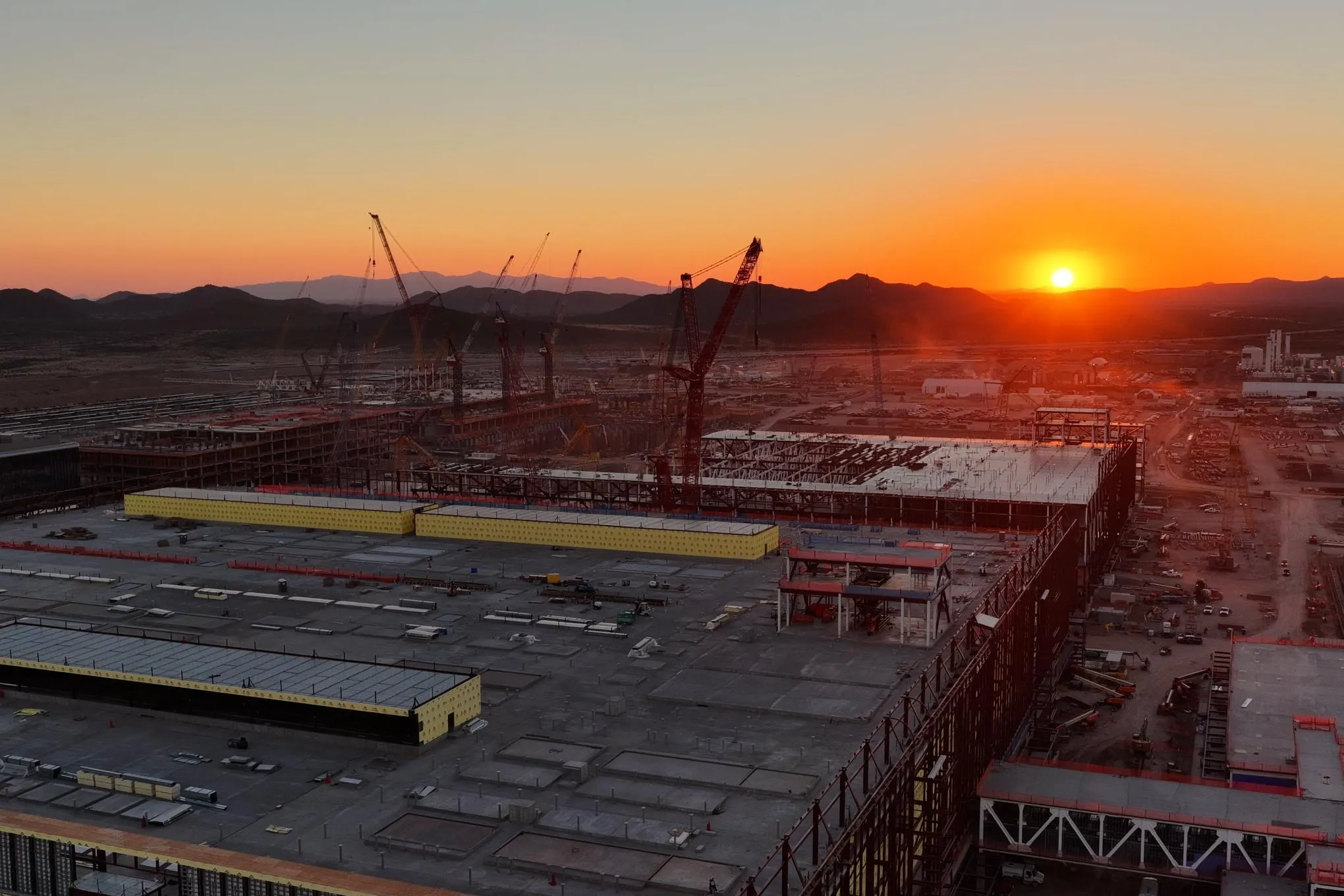
AI Has Come for Arizona’s Water
Arizona’s desert economy has long been built on the classic “five C’s”—cattle, copper, cotton, citrus, and climate. A new, sixth "C"—chips—arrived with Taiwan Semiconductor Manufacturing Company’s (TSMC) massive fab complex near Phoenix, a project hailed as a historic economic boon. Yet the same desert that welcomed the chip factory is now bristling with opposition to a wave of hyperscale data‑center proposals that threaten to drain the state’s already scarce water supplies.
---
The Chip Factory’s Water Footprint
TSMC’s Arizona operation consumes roughly 5 million gallons of water per day, drawn from Phoenix’s municipal supply and the Central Arizona Project’s Colorado River deliveries. The plant’s presence has spurred a local economic surge—thousands of jobs, ancillary businesses, and billions in investment—making it a flagship success story for state leaders.
Why Data Centers Are Different
Early data‑center projects in Arizona were modest, often tucked into office‑like structures that blended into the landscape. New proposals, however, envision massive desert footprints—hundreds of acres of cooling towers, power substations, and sprawling server farms. Developers argue that modern facilities can operate with far less water than traditional designs, citing examples like Google’s Oregon site, which uses about 1.5 million gallons per day. Yet the scale of the Arizona projects means total water demand could rival or exceed TSMC’s consumption, a prospect that alarms residents.
Community Pushback
A surprisingly bipartisan coalition has formed across the state, from Phoenix suburbs to rural Tucson. Activists, homeowners, and even some local officials have organized rallies, town‑hall meetings, and public comment periods. Their concerns focus on three core issues:
- Water scarcity – Arizona is projected to lose nearly 30 % of its Colorado River allotment within the next decade, tightening an already fragile supply.
- Heat islands – Large cooling systems can raise ambient temperatures by 10 °F or more, threatening desert flora such as iconic saguaros.
- Economic equity – While TSMC’s presence has generated clear job growth, critics argue that new data centers offer limited local employment and tax revenue relative to their resource consumption.
One protest outside a proposed 600‑megawatt facility in Tucson featured banners reading “BEALE’S DATA CENTER WILL SUCK US DRY,” underscoring the visceral fear that water—Arizona’s most precious commodity—will be sacrificed for abstract digital services.
---
Balancing Growth and Sustainability
State officials face a delicate balancing act. On one hand, the tech sector promises diversification away from traditional industries; on the other, the desert environment imposes hard limits. Potential pathways forward include:
- Water‑reuse and recycling: Mandating closed‑loop cooling systems that treat and reuse wastewater could dramatically cut fresh‑water intake.
- Renewable‑energy integration: Pairing data‑center power needs with solar or wind farms reduces reliance on water‑intensive fossil‑fuel generation.
- Zoning reforms: Prioritizing development on already‑disturbed land—such as former industrial sites—can preserve untouched desert habitats.
- Transparent impact assessments: Requiring developers to publish detailed water‑use forecasts and mitigation plans would give communities clearer data for decision‑making.
---
Looking Ahead
Arizona’s experience illustrates a broader national tension: as AI workloads and cloud services expand, the physical infrastructure that powers them—chips and data centers—must contend with real‑world resource constraints. The state’s ongoing debate may serve as a template for other water‑limited regions grappling with the same dilemma.
Practical takeaway: Residents, policymakers, and industry leaders should collaborate on stringent water‑conservation standards for any new data‑center projects, ensuring that the digital future does not come at the expense of the desert’s lifeblood.
Source
Read original sourceWhy we picked this
Discusses AI applications to water management, a meaningful AI news item