Generating running routes with GPT-6 Astra and ChatGPT Work
What Changed
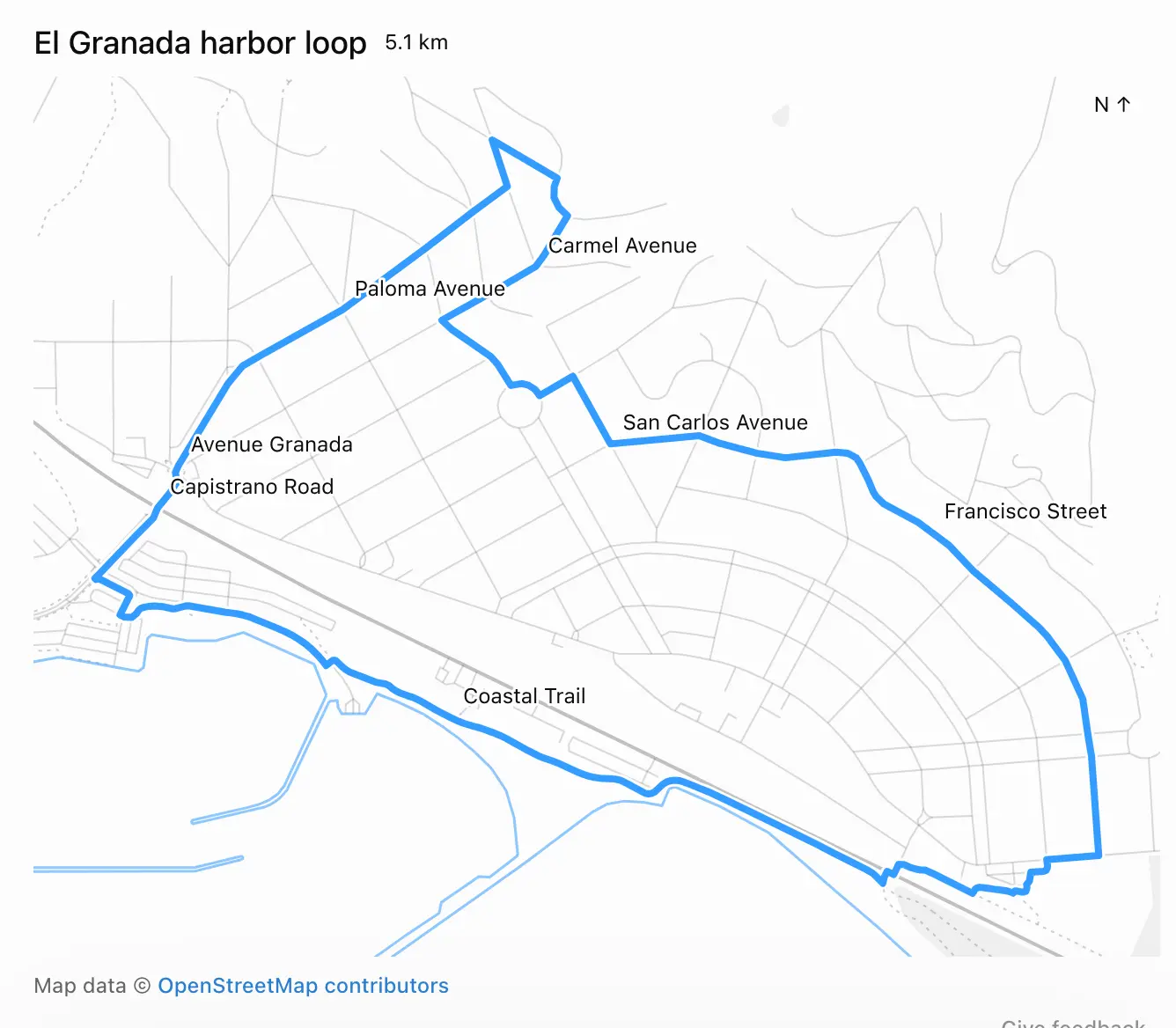
The author used ChatGPT Work with GPT‑6 Astra to generate 5K and 10K running routes from a specified address, producing visualizations and GPX/GeoJSON files in 27 minutes. The LLM described using Nominatim, Overpass, and local calculations but did not expose the underlying Python code due to thread compaction. The visualization was rendered via a D3 script loaded from an allow‑listed CDN, with the route geometry embedded in a JSON script tag.
Why It Matters
Enterprise architects must consider the opacity of LLM‑generated code when integrating such tools; lack of visibility can hinder debugging, compliance, and auditability. The reliance on external CDNs for rendering introduces CSP constraints that must be managed in secure environments. Performance and turnaround times are promising, but governance around data sources (OSM) and tool compaction need clear policies.
The Limitation
The example is a single use case; results may vary with different data sets or LLM versions, and the lack of code visibility may be mitigated by future UI changes.
What You Can Do
Implement a policy that requires LLM agents to expose or log the code and data sources used, and audit the CSP settings for any external resources they load.