Adam Mosseri says negativity around AI is ‘going to get worse’
Instagram CEO Adam Mosseri warns that public frustration with AI will keep growing, driven by fears of displacement and authenticity.
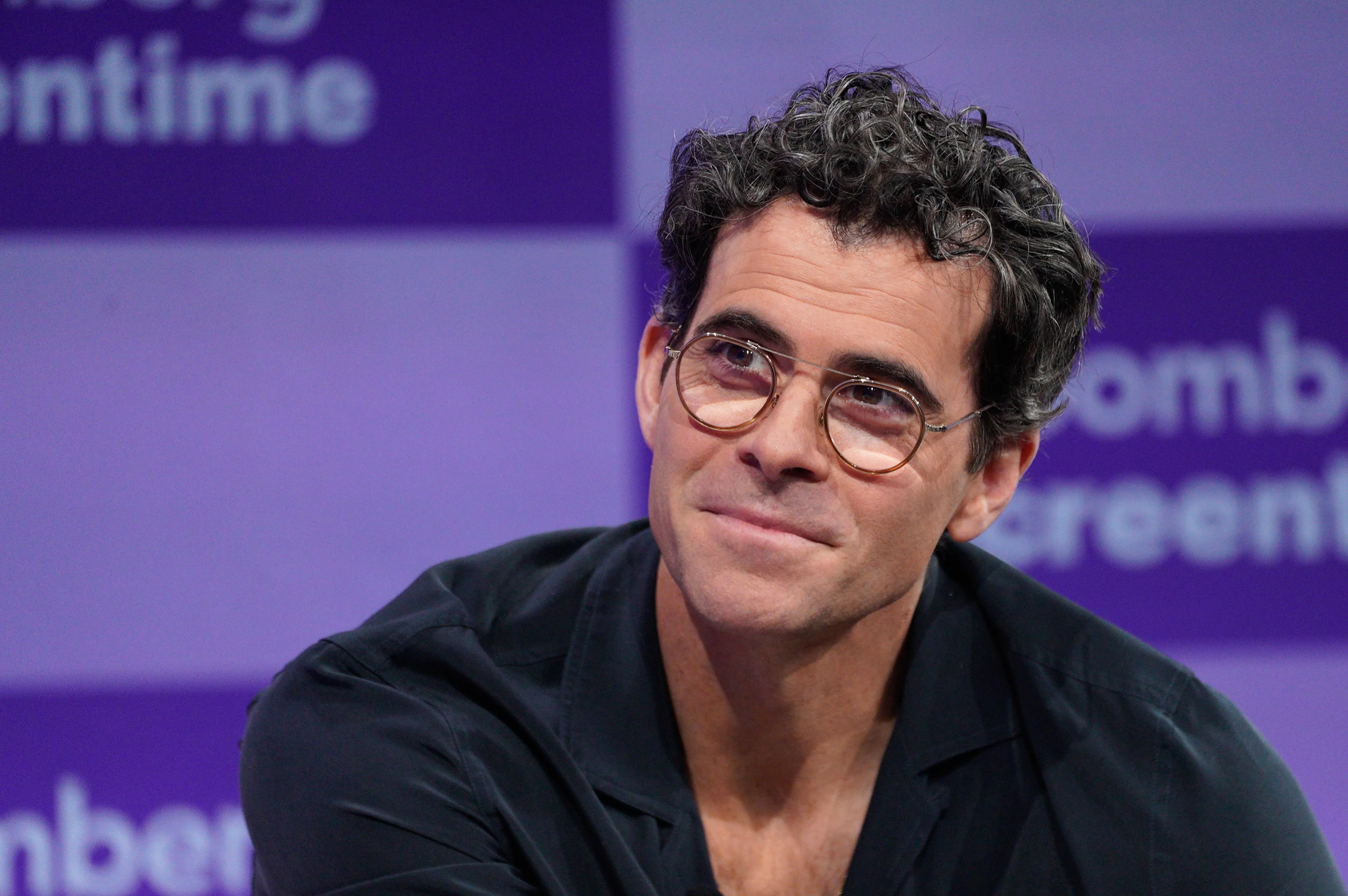
Instagram’s AI Anxiety: Why Negativity Is Likely to Grow
Adam Mosseri, head of Instagram, recently told the Colin and Samir podcast that the backlash against artificial intelligence is not a passing phase. He described a rising tide of frustration, anger, and fear—particularly among creators—about AI‑generated content, deepfakes, and the potential for job displacement. Mosseri’s comments highlight three core concerns that are shaping the conversation around AI on social platforms.
1. A Fear of Being Left Behind
Mosseri framed much of the unease as a “fear of being left behind.” Creators worry that their work will be mined to train models without compensation, while newer AI tools enable others to produce similar output with less effort. This perception of an uneven playing field fuels resentment, especially in visual and creative industries where Instagram’s algorithmic reach can make or break careers. The concern isn’t limited to young professionals; seasoned artists, engineers, and mathematicians also voice anxiety about relevance in an AI‑augmented world.
2. The Challenge of Ranking Quality
Instagram does not currently differentiate AI‑generated posts from human‑made ones in its ranking algorithm. Mosseri admitted that the platform struggles to rank AI content as effectively as non‑AI content, noting the mix of “great AI content” and “AI slop.” The term “AI slop”—used to describe low‑quality, repetitive, or misleading AI output—has become a shorthand for the noise that can drown out authentic voices. Without clear signals, users may encounter more filler content, eroding trust in the platform’s curation.
3. Transparency vs. Practicality
In response to mounting pressure, Instagram has begun labeling AI accounts and cracking down on overtly deceptive AI profiles. However, Mosseri cautioned that a blanket ban on AI‑generated material is “not practical.” The platform is still working out policies for deepfakes and other misleading content, balancing the need for transparency with the reality that AI tools are now integral to many creators’ workflows. This middle‑ground approach leaves room for ongoing debate about how much AI should be disclosed and how platforms can enforce those standards without stifling innovation.
Moving Forward: What Creators and Platforms Can Do
- Demand clearer attribution: Encourage platforms to develop robust labeling systems that distinguish AI‑assisted work from purely human‑created content.
- Advocate for compensation models: Push for policies that ensure creators receive credit or remuneration when their data fuels AI training.
- Focus on quality signals: Support algorithmic improvements that prioritize originality, engagement, and authenticity over sheer volume of posts.
- Stay informed: Keep abreast of evolving platform policies and emerging tools that help verify content authenticity.
Mosseri’s outlook underscores that the conversation around AI is only intensifying. As the technology becomes more accessible, the industry will need to grapple with ethical, economic, and practical questions that affect both creators and audiences. By acknowledging the root causes of AI‑related anxiety—fear of obsolescence, content quality concerns, and the need for transparency—platforms like Instagram can begin to shape a more balanced and trustworthy digital ecosystem.
---
This article synthesizes Mosseri’s remarks and broader industry trends without introducing new quotations or unverifiable claims.
Source
Read original sourceWhy we picked this
Discussion of public negativity toward AI is a meaningful AI-related societal issue