A woman was arrested in Philly for blocking a delivery robot
A Philadelphia woman was arrested for deliberately blocking an Uber delivery robot as a protest against job displacement by autonomous technology.
Introduction
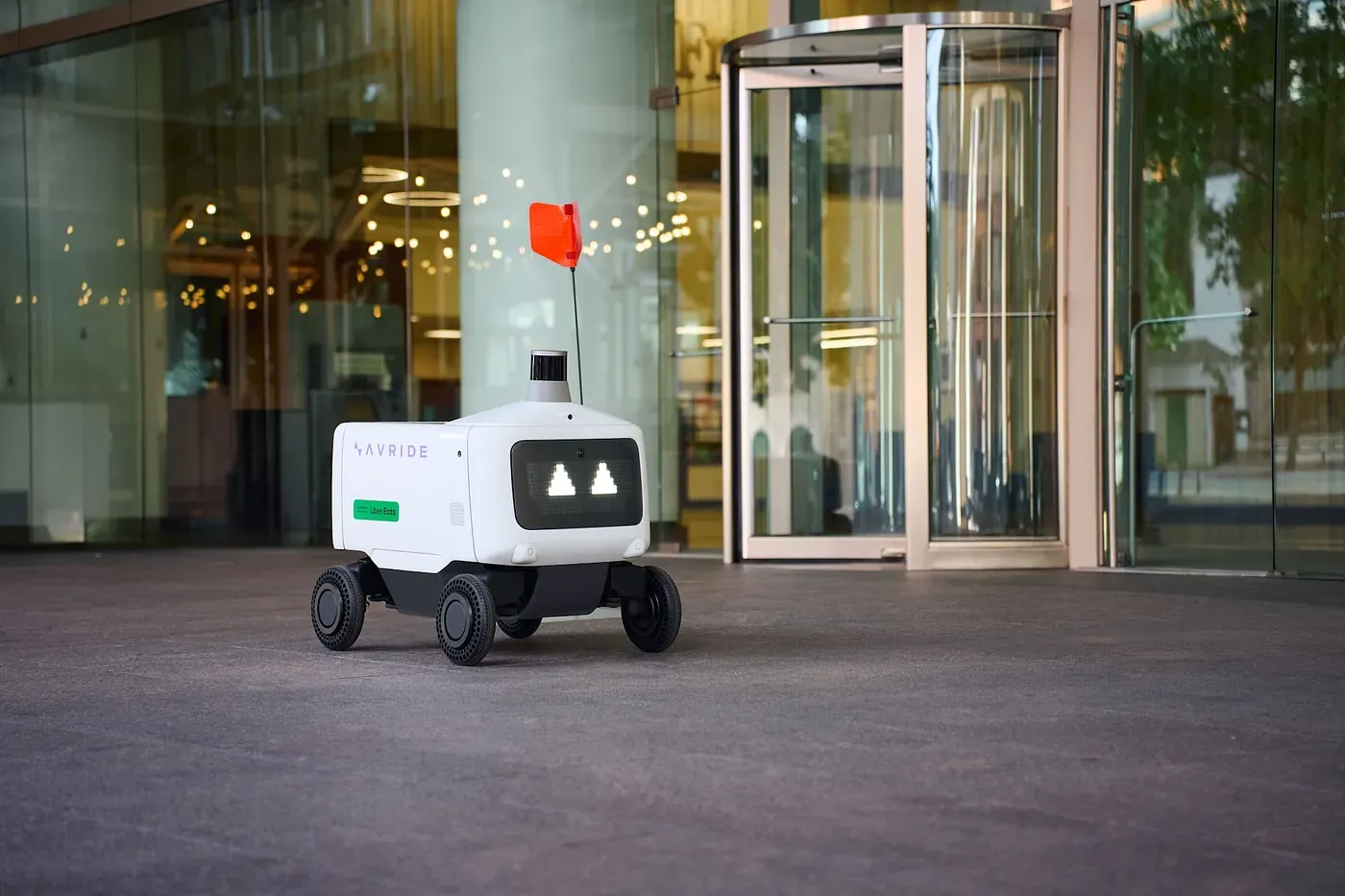
In October 2026, a protest in downtown Philadelphia took an unexpected turn when Carolyn Marvin was arrested for physically blocking an Uber delivery robot. Charged with disorderly conduct, Marvin’s act sparked a broader conversation about the rise of autonomous delivery systems and their impact on low‑skill workers. The incident, captured on video and widely shared, highlights the growing tension between technological progress and labor concerns.
The Arrest and Its Context
Marvin deliberately stepped in front of an Uber‑operated sidewalk robot, refusing to move when police officers asked her to clear the path. After a brief standoff, officers placed her in handcuffs and took her to a local precinct. In a statement to ABC13, Marvin explained that she was protesting what she described as “robots taking the jobs of human delivery workers.”
The charge of disorderly conduct reflects Pennsylvania’s statutes that prohibit willful obstruction of public ways. While the legal outcome remains pending, the episode underscores how civil disobedience is evolving in response to emerging technologies. Marvin is not a first‑time activist against delivery robots; earlier in the year she was filmed kicking a robot in Center City, an act that also drew police attention.
Delivery Robots in Philadelphia: Benefits and Backlash
Autonomous delivery robots have become a common sight on Philadelphia’s sidewalks, especially in the bustling Center City district. Companies like Uber, Starship Technologies, and Nuro tout these devices as a solution to traffic congestion, rising delivery costs, and the need for contact‑less service. Proponents point to:
- Reduced emissions: Small electric units generate far less pollution than gasoline‑powered vans.
- Speed and convenience: Orders can be delivered within minutes, often outside traditional business hours.
- Labor relief: Robots can handle repetitive, low‑pay tasks, potentially freeing human workers for higher‑skill roles.
However, critics argue that the technology threatens jobs that already pay modest wages. Delivery drivers, couriers, and gig‑economy workers worry that robots could replace them without providing comparable employment opportunities or benefits. The visual presence of these machines on sidewalks also raises safety and accessibility concerns for pedestrians, especially those with disabilities.
Legal and Ethical Implications
Marvin’s arrest raises several questions for policymakers and city officials:
- Regulation of Public Space: How should municipalities balance the right to protest with the need to keep sidewalks safe and functional for all users, including autonomous devices?
- Labor Protections: Should there be safeguards—such as retraining programs or wage guarantees—for workers displaced by automation?
- Accountability of Tech Companies: What responsibilities do firms deploying robots have to engage with local communities and address concerns about job loss?
Philadelphia’s Department of Transportation has begun drafting guidelines for autonomous delivery vehicles, focusing on speed limits, routing, and interaction with pedestrians. Yet, the regulatory framework is still nascent, leaving room for incidents like Marvin’s to test the limits of existing laws.
Looking Ahead: Dialogue Over Disruption
The incident serves as a reminder that technology adoption is not merely a technical challenge but a social one. Constructive dialogue between city officials, tech firms, labor groups, and community activists could lead to solutions that mitigate job displacement while preserving the benefits of automation. Possible steps include:
- Stakeholder forums: Regular meetings where residents can voice concerns and receive updates on robot deployments.
- Job transition programs: Funding for training programs that help displaced workers move into roles that complement autonomous systems, such as robot maintenance or logistics coordination.
- Transparent impact studies: Independent research on how delivery robots affect local employment, traffic safety, and environmental outcomes.
Conclusion
Carolyn Marvin’s arrest for blocking a delivery robot is more than a headline; it reflects a deeper societal debate about the pace and direction of automation. As cities like Philadelphia continue to integrate autonomous technologies into everyday life, balancing innovation with equitable labor practices will be essential. By fostering open conversation and proactive policy, communities can shape a future where robots enhance—not replace—the human workforce.
Source
Read original sourceWhy we picked this
Delivery robot incident highlights AI robotics use case.