A week with RTX Spark: everything we’ve learned using Nvidia’s new laptops
Nvidia’s RTX Spark laptops deliver strong ARM performance and decent gaming with DLSS, but high‑end specs come at a premium and occasional CPU‑bound hiccups remain.
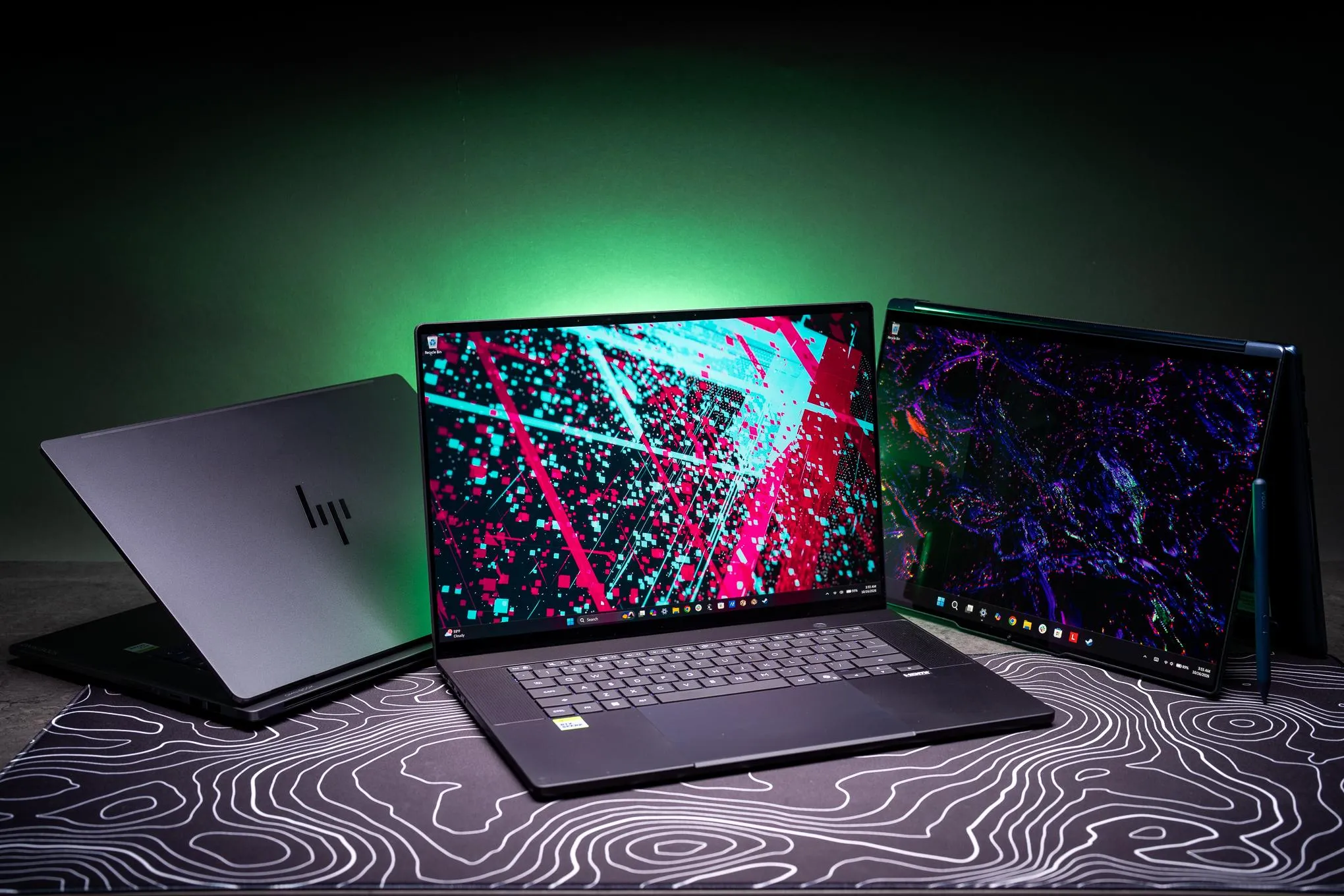
A Week with RTX Spark: What We Learned
Nvidia’s new RTX Spark N1X processor finally lands in Windows‑on‑ARM laptops, promising a “superchip” that can rival Apple, Intel, AMD, and Qualcomm. Over the past seven days, three Verge writers put five different RTX Spark‑powered machines through daily‑use, creative‑work, and gaming scenarios. Below are the key takeaways, organized by performance, software compatibility, gaming, and practical considerations.
1. Raw Performance and Power Delivery
All tested models share the same high‑end N1X SoC: 20 CPU cores, 6,144 CUDA cores, and unified memory ranging from 32 GB to 128 GB. The flagship configurations (Surface Laptop Ultra, Asus ProArt P16) ship with 128 GB of RAM and command prices north of $6,000. Even the lower‑cost 18‑core variants start at about $2,600.
- CPU – Multithreaded workloads (video rendering, code compilation) scale well with the abundant cores. Users reported smooth operation in Adobe Photoshop, Premiere, and Audacity without noticeable stalls.
- GPU – Nvidia’s Blackwell‑based graphics core provides enough horsepower for modern titles when paired with DLSS or frame‑generation. Benchmarks showed stable 60 fps at 1440p on medium settings for games like Black Myth: Wukong and Cyberpunk 2077.
- Thermals – The laptops run hot and loud under sustained load, typical of thin gaming notebooks. Expect fan noise to rise sharply when the GPU is pushed to its limits.
2. Software Compatibility on Windows‑on‑ARM
The biggest surprise is how mature the Windows‑on‑ARM ecosystem has become. Thanks to years of Qualcomm Snapdragon development and Microsoft’s Prism emulation, most everyday apps work flawlessly.
- Native ARM Apps – Adobe’s Photoshop and Premiere run natively, delivering performance comparable to their x86 counterparts. Lightroom Classic still relies on emulation but remains usable.
- x86 Emulation – Prism handles the majority of legacy software without noticeable lag. Users reported that everyday tools (Signal, Discord, Slack, Evernote) never required manual toggling between ARM and x86 modes.
- Edge Cases – Some niche applications (e.g., certain VR drivers, older 2D titles) exhibited occasional hiccups, but work‑arounds were generally simple (force‑refresh, driver updates).
3. Gaming Realities
Nvidia’s GPU brings a genuine gaming capability to ARM laptops, but expectations need tempering.
- DLSS & Frame‑Gen – Enabling DLSS Performance or Nvidia’s frame‑generation is essential for maintaining 60 fps at 1440p. Without these, many titles dip below playable thresholds.
- CPU‑Bound Titles – Games with heavy AI or large enemy counts (e.g., Helldivers 2, Star Wars Zero) reveal the CPU as the bottleneck, capping framerates around 35‑40 fps even with low graphics settings.
- VR – Early tests with the Titanfall 2 VR mod ran, but stability waned after a few minutes, suggesting the platform isn’t ready for serious VR workloads.
- Overall Verdict – For a laptop that also serves as a creator’s workstation, RTX Spark delivers “good enough” gaming at medium settings. It won’t replace a dedicated RTX 5090 desktop, but it offers a compelling on‑the‑go experience.
4. Practical Takeaways for Buyers
- Target Audience – These machines are aimed at developers, content creators, and power users who need ARM‑native performance plus occasional gaming. The price point reflects that niche.
- Memory Configurations – Opt for 64 GB+ if you plan to run large AI models or heavy multitasking; 32 GB is sufficient for typical creative workflows.
- Heat Management – Use a laptop stand or external cooling pad during prolonged GPU‑intensive sessions to keep temperatures and fan noise in check.
- Future‑Proofing – Nvidia’s entry into the ARM laptop market could accelerate software optimization across the board, benefitting both creators and gamers.
---
Bottom line: Nvidia’s RTX Spark laptops prove that high‑end ARM hardware can deliver a solid, if not spectacular, mix of productivity and gaming performance. They signal a maturing ecosystem, but the premium price and occasional CPU‑bound limits mean they’re best suited for users who value the unified memory architecture and are comfortable adjusting graphics settings for the best experience.
Source
Read original sourceWhy we picked this
Nvidia RTX Spark laptops represent significant AI hardware infrastructure.